


Introduction
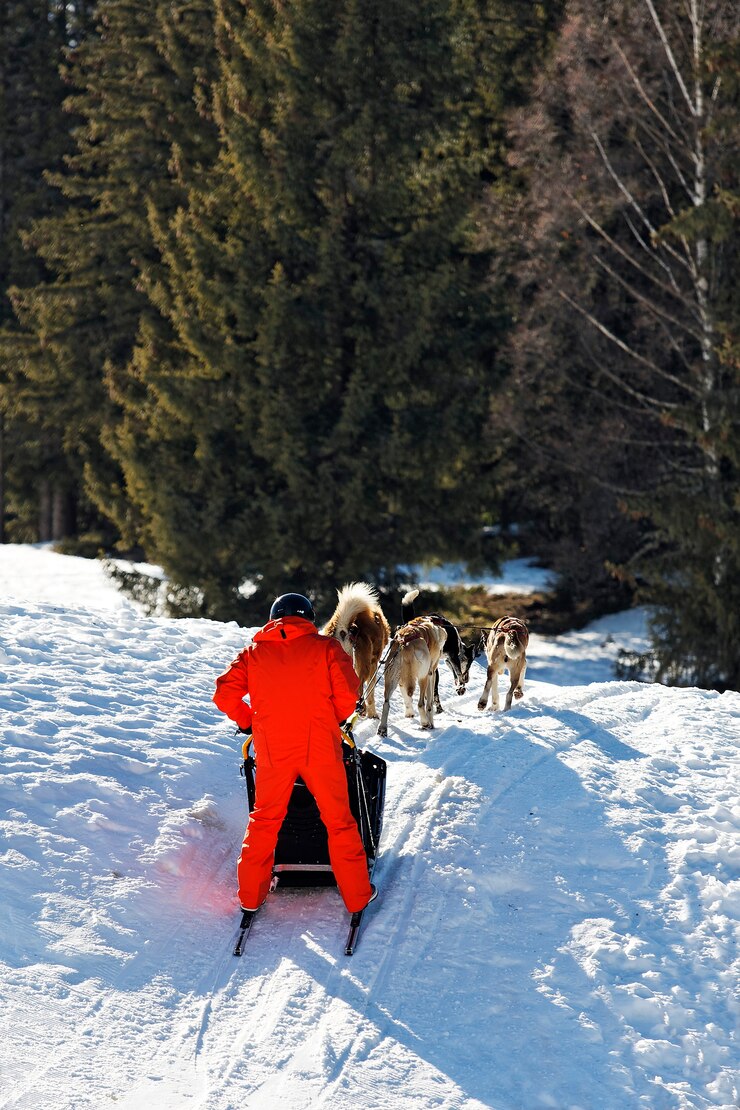
Sled dogs are extraordinary canines bred and trained to pull sleds across snowy and icy terrains. Known for their endurance, strength, and teamwork, sled dogs have been indispensable to human survival in arctic regions for centuries. These dogs play a critical role in transportation, exploration, and even recreational sports, proving their value in some of the harshest environments on Earth.
What Are Sled Dogs?
Sled dogs are working dogs trained to pull sleds loaded with people, goods, or supplies across snow-covered landscapes. They are part of a team, often guided by a musher (the driver of the sled), and rely on their physical power, resilience, and pack instincts to navigate challenging conditions.
Roles and Responsibilities of Sled Dogs
-
Transportation
Historically, sled dogs were essential for transporting goods, mail, and people in areas where snow and ice made other modes of travel impossible. They served as a lifeline for remote communities. -
Exploration and Expeditions
Sled dogs have been integral to arctic and antarctic explorations, helping explorers like Roald Amundsen and Robert Peary reach uncharted territories. -
Racing and Recreational Mushing
Today, sled dog racing, such as the famous Iditarod and Yukon Quest races, showcases these dogs’ incredible speed, stamina, and teamwork. Recreational mushing has also gained popularity as a winter sport. -
Rescue Missions
In emergencies, sled dogs have been used to deliver medical supplies, such as during the 1925 serum run to Nome, Alaska, when sled dogs carried life-saving diphtheria antitoxin across 674 miles of frozen terrain.
-
Popular Breeds of Sled Dogs
While several breeds can work as sled dogs, some are particularly well-suited to the role due to their strength, stamina, and ability to thrive in cold climates:
- Siberian Husky: Known for their speed and endurance, Siberian Huskies are a favorite in sled dog racing.
- Alaskan Malamute: These larger dogs excel at hauling heavy loads over long distances.
- Alaskan Husky: A mixed breed designed for sledding, Alaskan Huskies combine speed, strength, and cold-weather resilience.
- Samoyed: With their thick coats and friendly nature, Samoyeds were historically used by Siberian nomads for sledding and herding.
- Greenland Dog: A hardy and powerful breed, Greenland Dogs are still used by Inuit communities for traditional sledding.
Training and Teamwork of Sled Dogs
Sled dogs require specialized training to develop the skills and discipline needed for their demanding work. Key aspects of sled dog training include:
- Obedience and Commands: Dogs learn to respond to verbal cues like “Gee” (right), “Haw” (left), and “Whoa” (stop).
- Team Positions: Each dog on a sled team has a specific role:
- Lead Dogs: Guide the team and respond directly to the musher’s commands.
- Swing Dogs: Positioned behind the lead dogs, they help navigate turns.
- Team Dogs: Provide the main pulling power in the middle of the team.
- Wheel Dogs: Positioned closest to the sled, these dogs help stabilize and start the sled.
- Endurance Training: Dogs undergo rigorous conditioning to build their stamina for long journeys.
- Socialization: Strong pack dynamics and teamwork are essential for a cohesive and effective sled team.










0 Comments