


Introduction
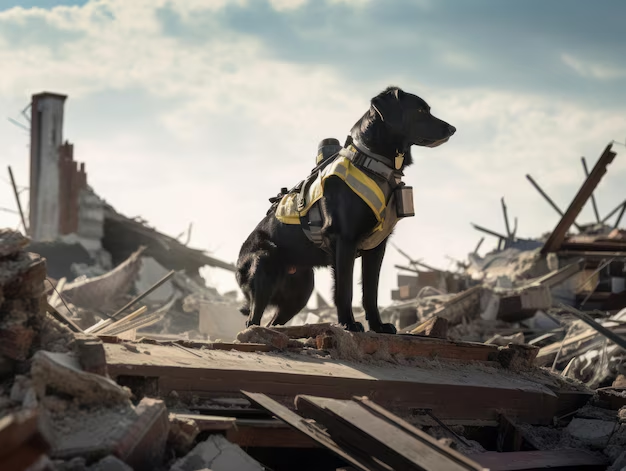
Fire-fighting dogs, also known as fire dogs, play a critical role in helping firefighters save lives and ensure safety during emergencies. These highly trained canines use their keen senses and specialized skills to detect, locate, and assist in various fire-related situations. Their remarkable agility, loyalty, and bravery make them invaluable members of firefighting teams worldwide.
History of Fire-Fighting Dogs
Firefighting dogs have a long history dating back to the days of horse-drawn fire carriages. Dalmatians, known for their endurance and compatibility with horses, were often used to run alongside fire carriages, clearing a path through crowds. Today, while their role has evolved, the Dalmatian remains a symbol of fire departments, especially in the United States, and is often seen as a mascot for fire stations.
Roles and Responsibilities of Fire-Fighting Dogs
-
Search and Rescue
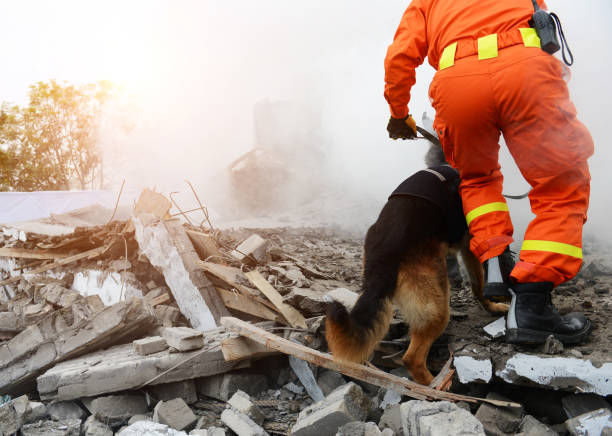
Fire-fighting dogs are commonly trained in search and rescue missions. They can locate trapped individuals in burning buildings or disaster sites, using their strong sense of smell to detect human scent even under challenging conditions. This skill is particularly critical in buildings with poor visibility due to smoke. -
Detection of Accelerants
Some fire-fighting dogs are specifically trained to detect accelerants like gasoline or lighter fluid, which are often used in arson cases. Known as “arson dogs” or “accelerant detection canines,” these dogs assist fire investigators in identifying potential evidence, which can be crucial in solving cases of suspected arson.

3.
Emotional Support and Community Engagement
Fire-fighting dogs often provide emotional support for firefighters dealing with high-stress situations. Additionally, they play an essential role in community outreach, helping to educate the public about fire safety and offering comfort to victims or survivors at fire scenes.
Training and Breeds
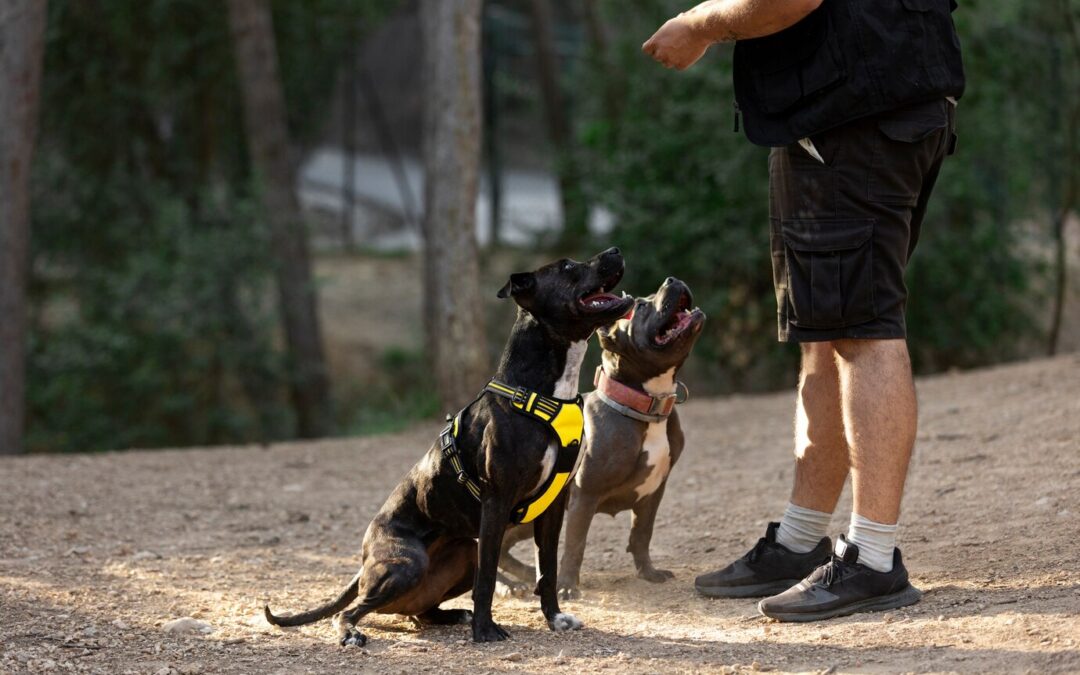
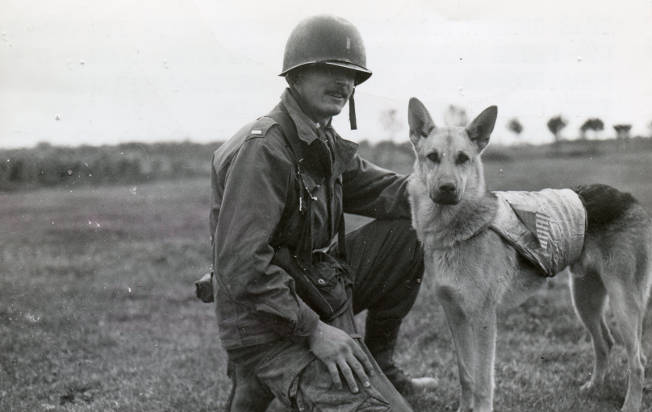
Fire-fighting dogs undergo rigorous training programs to prepare them for the demanding work they face. They learn to navigate complex environments, remain calm under stress, and communicate effectively with their handlers. Breeds commonly used include Labrador Retrievers, German Shepherds, Belgian Malinois, and the traditional Dalmatian. These breeds are chosen for their intelligence, strength, agility, and high trainability.
Notable Fire-Fighting Dogs
Several famous fire-fighting dogs have left a mark in history. Some have become local or national heroes for their bravery, saving lives in disasters, or assisting in critical arson investigations. Each fire department has its own stories and traditions honoring these canine heroes who often go above and beyond the call of duty.
Conclusion
Fire-fighting dogs exemplify the courage and dedication essential to emergency response teams. Their specialized skills and unwavering loyalty make them indispensable in life-threatening situations, and they bring an irreplaceable element of support to the firefighters they work alongside. As fire departments continue to recognize the importance of these canine partners, fire-fighting dogs will remain central to emergency response, search and rescue, and fire prevention efforts.













0 Comments