


So You’ve Got a Puppy! Training Tips to Make Life Easier
Bringing home a new puppy is incredibly exciting, but it also comes with a learning curve. Those adorable paws and fluffy tails can quickly become a whirlwind of chewed shoes and accidents on the carpet. Don’t worry, though! With the right training techniques, you can navigate this exciting phase and build a strong, loving bond with your furry friend. Let’s tackle some common questions.
When Should I Start Training My Puppy?
The sooner, the better! Puppies are incredibly absorbent learners, and starting training as early as 8 weeks old sets a solid foundation. Even short, playful training sessions are beneficial. Think of it as teaching them the rules of the house, not just tricks. Remember, consistency is key!
What’s the Best Way to House Train a Puppy?
House training requires patience and a consistent routine. Here’s a plan:
- Frequent potty breaks: Puppies have tiny bladders! Take them out every 1-2 hours, especially after waking up, eating, and playing.
- Designated potty spot: Choose a specific spot in your yard and always take your puppy there.
- Positive reinforcement: Reward them immediately with praise and treats when they eliminate outside.
- Accidents happen: If an accident occurs, clean it thoroughly with an enzymatic cleaner to eliminate the scent. Don’t punish your puppy—they won’t understand.
- Crate training: A crate can be a valuable tool. It provides a safe, den-like space and helps with housetraining by preventing accidents.
How Can I Teach My Puppy Basic Commands?
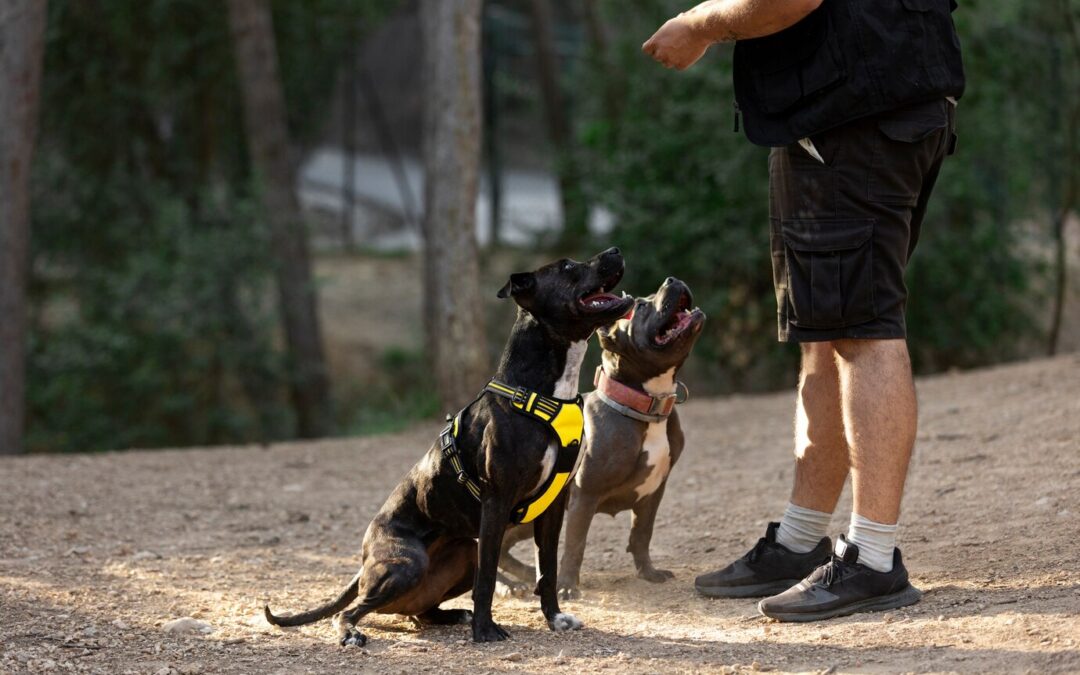
Keep training sessions short, fun, and rewarding. Use positive reinforcement methods. Here’s how to teach “Sit”:
- Hold a treat near your puppy’s nose.
- Slowly move the treat over their head, towards their tail.
- As their rear end lowers, say “Sit” clearly.
- Once they sit, immediately reward them with praise and the treat.
- Repeat this process many times throughout the day.
The same positive reinforcement approach works for other commands like “Stay,” “Come,” and “Down.” Remember to be patient and consistent.
What if My Puppy Bites?
Puppies bite as part of their development and exploration. It’s important to teach them bite inhibition. When they nip, give a high-pitched yelp, like a puppy would do, and remove yourself from the situation. This signals that biting is not acceptable. Never hit or yell at your puppy. Redirecting their attention to an appropriate chew toy can also be helpful.
Where Can I Find More Help?
Consider enrolling in a puppy training class! A professional trainer can provide personalized guidance and help you address specific behavioral challenges. You can also find numerous reputable online resources and books offering expert advice on puppy training.
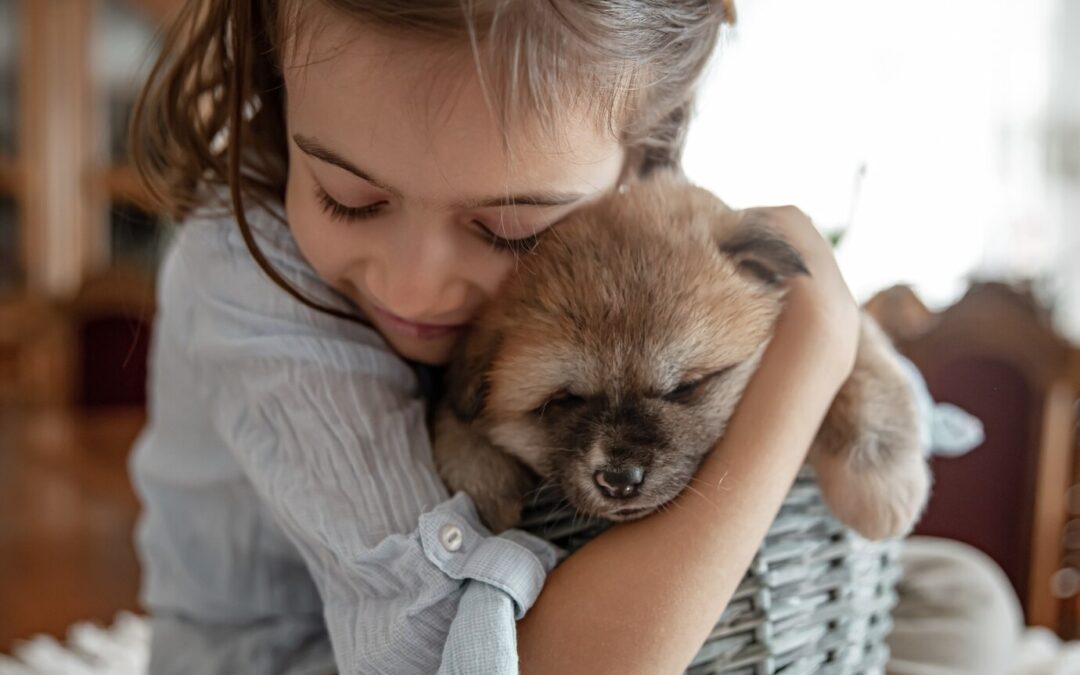
Raising a puppy is a journey filled with love, laughter, and occasional challenges. Remember to be patient, consistent, and celebrate those small victories along the way. Enjoy the puppy cuddles!







0 Comments