


Introduction
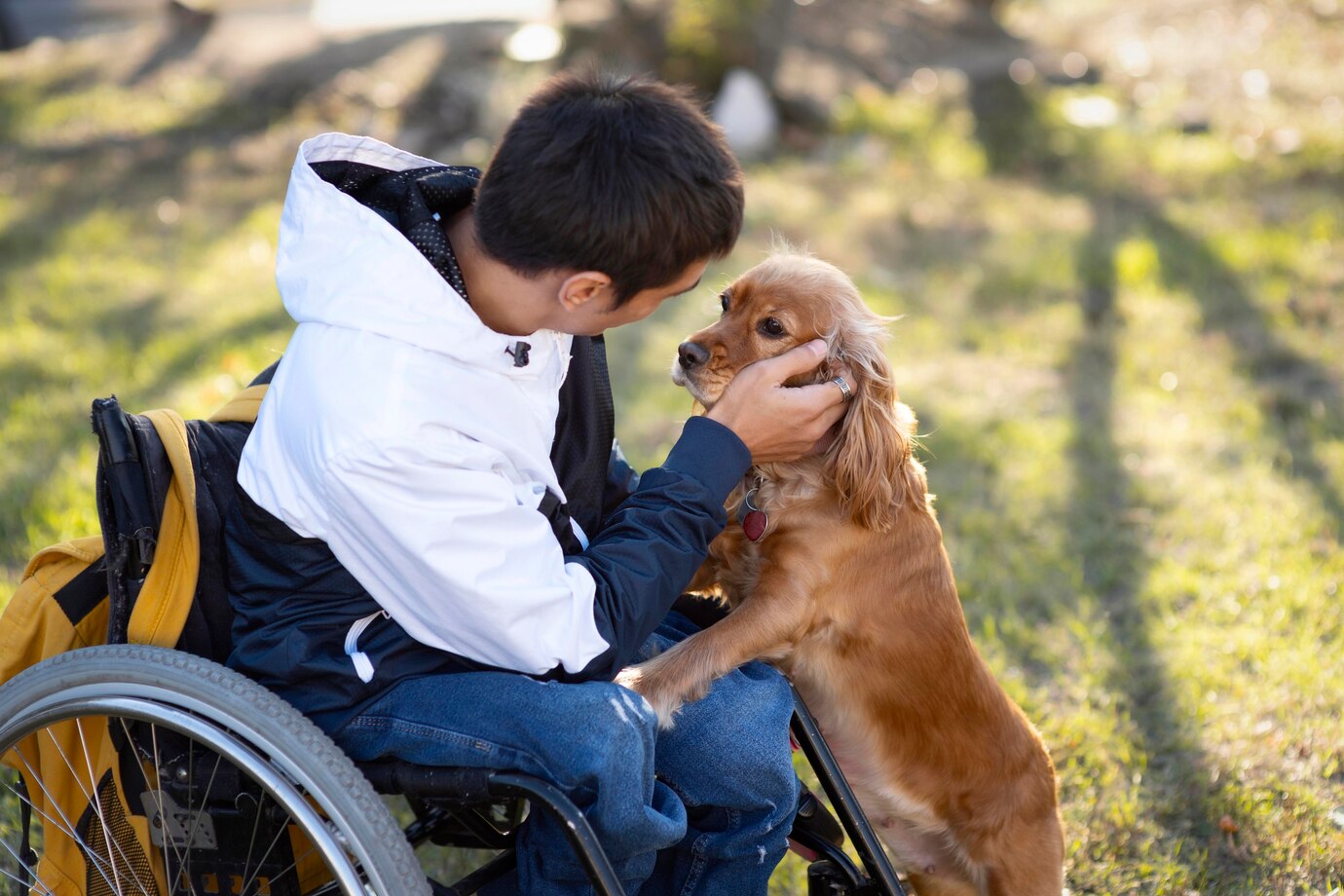
Therapy dogs are specially trained animals that provide comfort, affection, and emotional support to people in need. Unlike service dogs, therapy dogs are not trained to assist with physical tasks, but their presence can be profoundly therapeutic in hospitals, schools, nursing homes, and disaster areas. With their calming nature and friendly demeanor, therapy dogs improve mental well-being, reduce stress, and bring joy to individuals of all ages.
Roles and Responsibilities of Therapy Dogs
-
Emotional Support and Stress Relief
Therapy dogs help reduce anxiety and stress, especially in high-stress environments like hospitals, disaster recovery zones, and schools. Their calm presence can provide a grounding effect, helping individuals feel less isolated and more comforted.
-
Physical and Mental Health Benefits
Interaction with therapy dogs has been shown to lower blood pressure, improve heart health, and release serotonin and dopamine—chemicals in the brain associated with happiness and well-being. For people dealing with grief, trauma, or depression, therapy dogs can be instrumental in emotional recovery. -
Support in Educational and Rehabilitation Settings
Therapy dogs often work with children in schools and adults in rehabilitation centers. They assist children with reading disabilities by providing non-judgmental companionship and help adults in physical therapy programs by encouraging movement and engagement. -
Companionship for the Elderly
In nursing homes, therapy dogs provide companionship and a sense of purpose to the elderly, especially those who may feel isolated. Therapy dogs are known to uplift spirits, encourage social interactions, and even rekindle memories for residents with dementia.

Popular Breeds for Therapy Work
While any breed can potentially become a therapy dog with the right temperament, some breeds are particularly well-suited due to their calm, friendly, and adaptable nature. Common therapy dog breeds include:
- Labrador Retrievers: Known for their gentle, patient temperament and friendliness, Labradors are ideal for interacting with people of all ages.
- Golden Retrievers: Friendly and affectionate, Golden Retrievers are frequently used in therapy work and bring a warm, calming presence.
- Poodles: Intelligent and hypoallergenic, Poodles are often used as therapy dogs, especially in situations where people may have allergies.
- Cavalier King Charles Spaniels: Small, affectionate, and gentle, these dogs are excellent with children and the elderly.
Training and Certification for Therapy Dogs
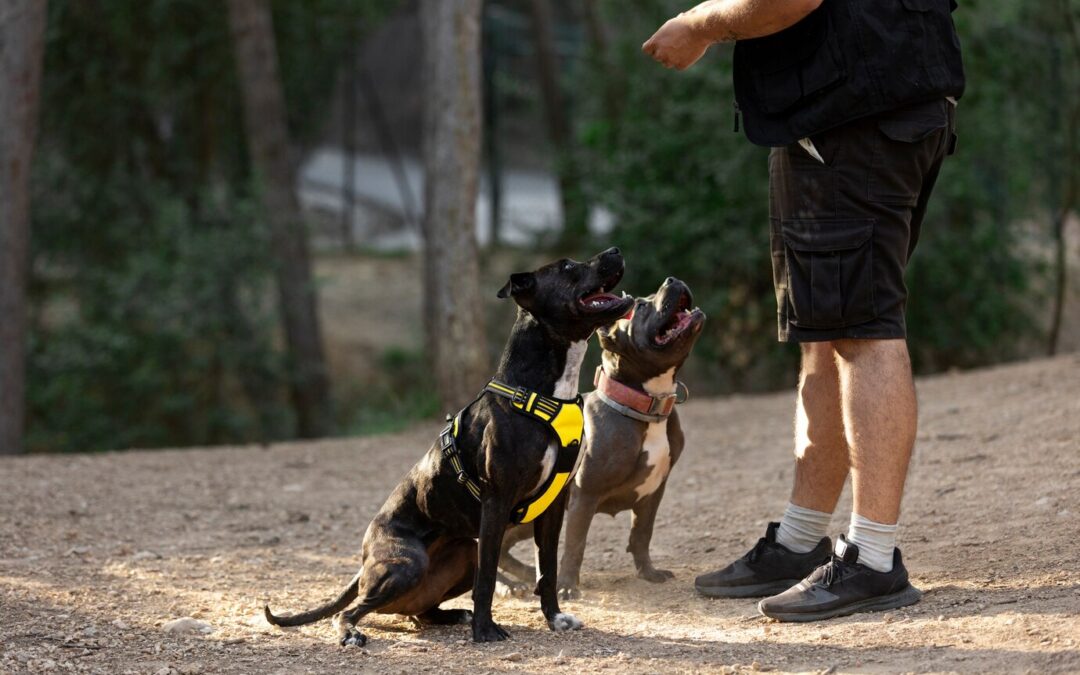
Therapy dogs undergo specialized training to ensure they remain calm, obedient, and responsive in diverse environments. Training focuses on socialization, basic obedience, and exposure to various sights, sounds, and people. While therapy dogs don’t require as intensive training as service dogs, they are typically certified through organizations that evaluate their suitability for therapy work. Certification ensures that both dog and handler can handle the unique challenges of providing emotional support.
Notable Therapy Dog Programs and Organizations
Several organizations worldwide provide training and certification for therapy dogs, including:
- Therapy Dogs International (TDI): A program that certifies dogs and their handlers for therapeutic visitation in settings like hospitals and nursing homes.
- Pet Partners: A prominent organization that registers therapy animals and promotes research on animal-assisted therapy.
- Love on a Leash: A nonprofit organization focused on certifying therapy dog teams to bring comfort to people in need.
These organizations play a vital role in making therapy dog services widely available, ensuring both dog and handler are well-prepared to offer meaningful support.
Conclusion
Therapy dogs have a profound impact on emotional well-being, bringing comfort, joy, and healing to those who need it most. With their natural warmth and empathetic instincts, therapy dogs have the power to lift spirits, ease loneliness, and support recovery in diverse settings. As the field of animal-assisted therapy continues to grow, therapy dogs will remain a key element in enhancing mental health, emotional resilience, and overall quality of life.




















0 comentários