

“`html
Senior Dog Wellness: Tips for Older Dogs
So, your furry best friend is entering their golden years? It’s a bittersweet time, but with a little extra care, you can help your senior dog live a happy, comfortable life. Many pet parents have questions about this stage, so let’s dive into some common concerns and how to address them.
Understanding the Changes
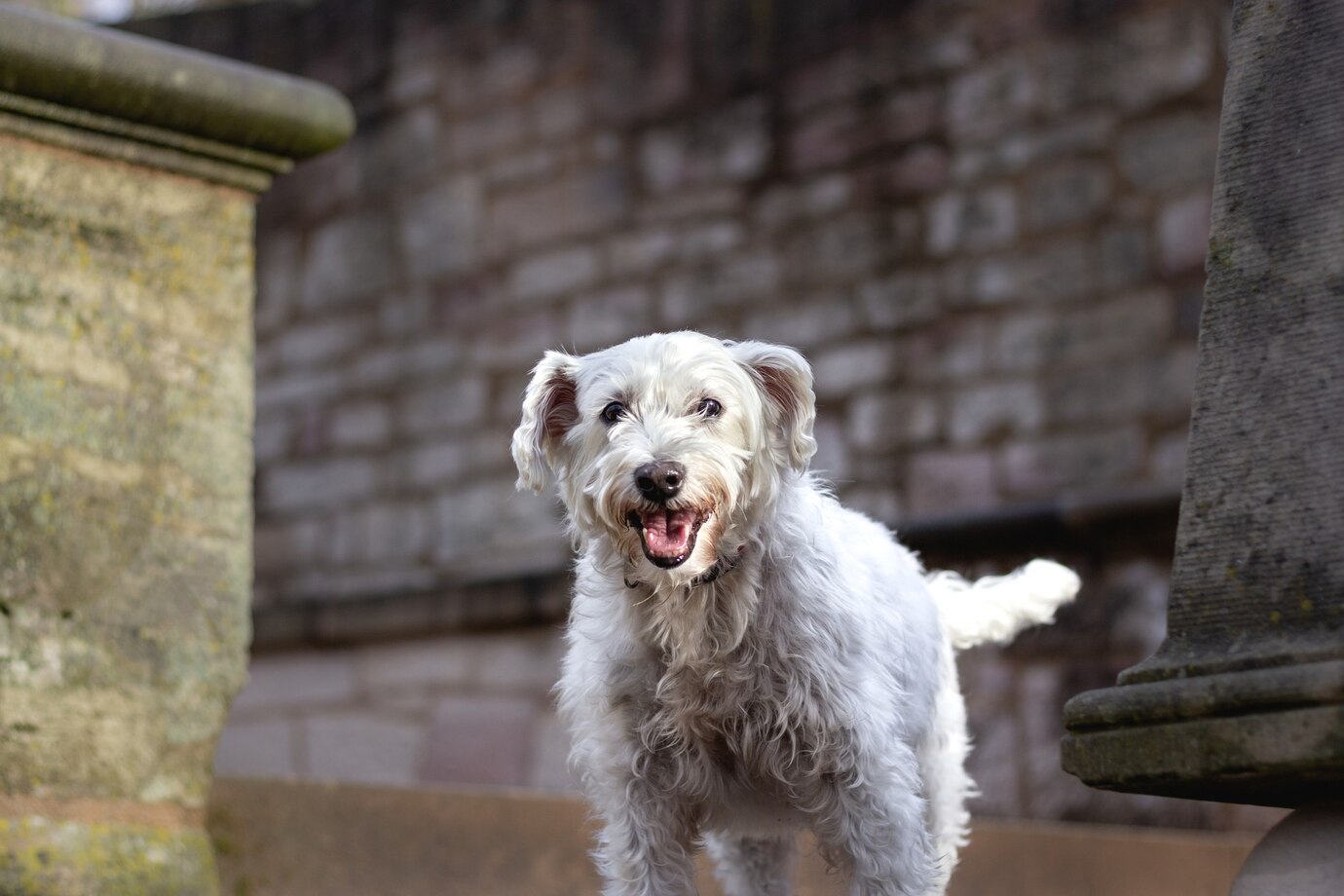
As dogs age, just like humans, they experience physical and mental changes. These can manifest in different ways, and recognizing them early is key. You might notice your dog is sleeping more, moving a bit slower, or having trouble with stairs. Their coat might be duller, and they could be less playful than before. These are all normal signs of aging, but it’s important to monitor them.
Nutrition: Fueling the Golden Years
Diet plays a crucial role in senior dog health. Senior dogs often need a diet formulated specifically for their age. These diets typically have lower calories and higher levels of easily digestible protein and fiber, supporting healthy weight and digestion, two common issues for older dogs. Talk to your vet about switching to a senior dog food or adding supplements as needed. They can help you choose a food that caters to your dog’s specific needs and any health conditions.
Exercise: Keeping Active, But Sensible
While vigorous exercise might be a thing of the past, regular, gentle exercise is still vital. Think shorter, more frequent walks instead of long runs. Swimming is a fantastic low-impact option, especially for dogs with arthritis. Always pay attention to your dog’s cues – if they seem tired or in pain, stop and rest. Remember, the goal is to keep them moving, but not to overexert them.
Joint Health: Addressing Arthritis and Stiffness
Arthritis is a common problem in senior dogs. You might notice stiffness, limping, or difficulty getting up. Your vet can recommend treatments, such as medication, supplements (like glucosamine and chondroitin), and physical therapy. Providing comfortable bedding and ramps can also significantly improve their mobility and comfort.
Cognitive Function: Keeping Their Minds Sharp
Just like physical health, cognitive function declines with age. Senior dogs can experience Canine Cognitive Dysfunction (CCD), similar to Alzheimer’s in humans. Symptoms include disorientation, changes in sleep patterns, and decreased interaction. Enrichment activities, like puzzle toys, short training sessions, and interactive games, can help stimulate their minds and maintain their cognitive abilities. Regular mental stimulation is just as important as physical activity.
Veterinary Care: Regular Checkups are Essential
Regular veterinary checkups become even more crucial as your dog ages. Your vet can monitor their health, detect any potential problems early, and provide tailored advice and treatment. Don’t hesitate to contact your vet if you notice any concerning changes in your dog’s behavior or health.
Creating a Comfortable Environment
Make your home senior dog-friendly. This includes providing comfortable bedding, easy access to food and water, and ramps or steps to help them navigate stairs. Consider creating a quiet, safe space where they can relax and retreat when needed.
A Final Word
Caring for a senior dog requires extra attention and patience, but the rewards are immeasurable. By understanding their needs and providing the proper care, you can help your furry friend enjoy a happy and comfortable life during their golden years. Remember, every dog ages differently, so work closely with your veterinarian to personalize your senior dog’s care plan.
“`









0 comentários