


Keeping Your Dog’s Mental Health in Check
We all know how much joy our furry friends bring into our lives, but have you ever stopped to think about their mental wellbeing? Just like us, dogs experience a range of emotions and can suffer from stress, anxiety, and even depression. Understanding their needs and recognizing signs of mental distress is crucial for ensuring they live happy, fulfilling lives. So, let’s dive into some common questions and concerns about canine mental health.
Signs My Dog Might Be Stressed or Anxious
Sometimes, it’s not always obvious. Your dog might not be dramatically howling or pacing, but subtle changes in behavior can be telling. Look out for:
- Changes in appetite: Is your usually ravenous eater suddenly refusing food or, conversely, overeating?
- Increased barking or whining: Excessive vocalization, especially without a clear trigger, could indicate anxiety.
- Destructive chewing or digging: This is a classic sign of pent-up energy or stress.
- Changes in sleep patterns: Restlessness, excessive sleeping, or difficulty settling down.
- Excessive licking or grooming: This can sometimes be a sign of underlying anxiety.
- Changes in elimination habits: Accidents in the house, even in a well-trained dog, might be a stress indicator.
- Avoidance of people or places: If your dog suddenly becomes fearful of situations they previously enjoyed, it’s worth investigating.
If you notice several of these changes, it’s best to consult your veterinarian. They can rule out any underlying medical conditions and recommend appropriate next steps.
How Can I Help My Dog Stay Mentally Healthy?
Providing a happy and stimulating environment is key! Think of it like this: a bored dog is a stressed dog. Here are some tips:
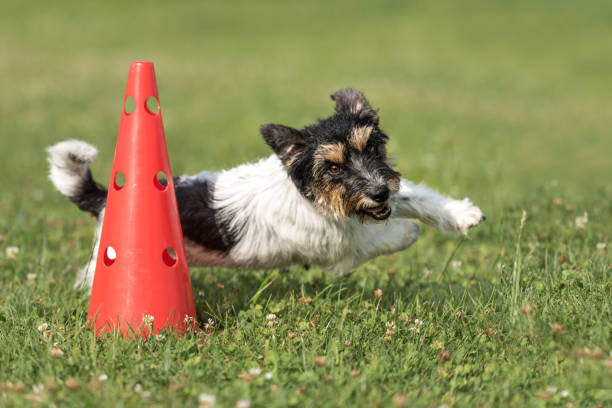
- Regular exercise: Daily walks, playtime in the park, or even a good game of fetch are vital for both physical and mental health. The amount of exercise depends on your dog’s breed and age, of course. Consult your vet for advice tailored to your dog.
- Mental stimulation: Puzzles, training sessions, and interactive toys keep their minds sharp and engaged. Consider puzzle feeders for mealtimes, or try teaching them new tricks.
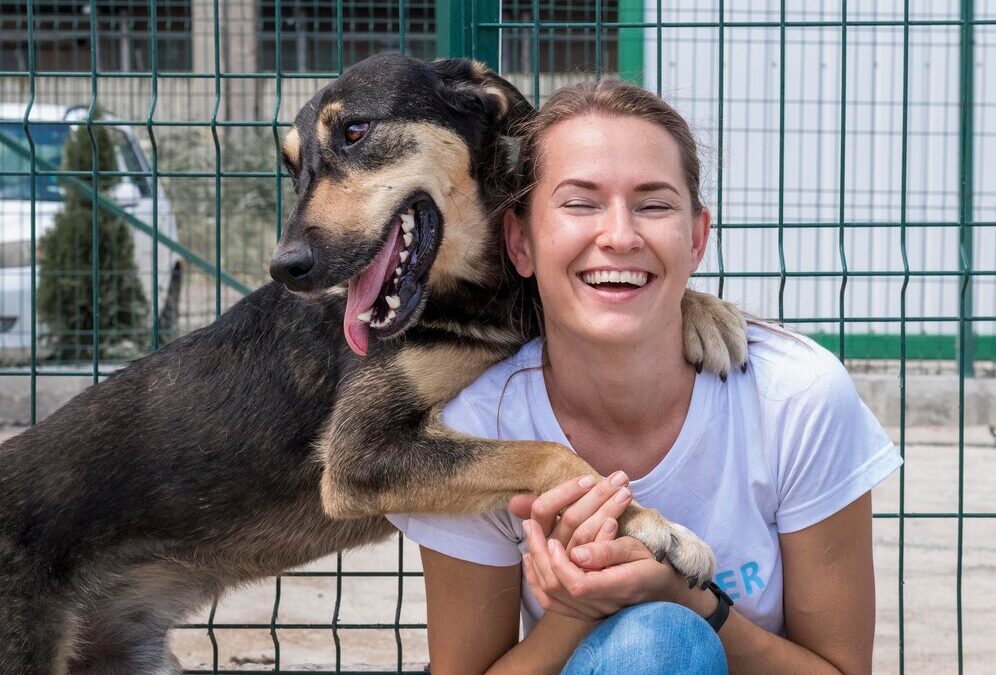
- Socialization: Positive interactions with other dogs and people are important, especially during puppyhood. However, it’s crucial to ensure these interactions are safe and supervised.
- A safe and comfortable space: Your dog needs a quiet, secure den where they can retreat when they feel overwhelmed.
- Consistent routine: Dogs thrive on predictability. Maintaining a regular schedule for feeding, walking, and playtime reduces anxiety.
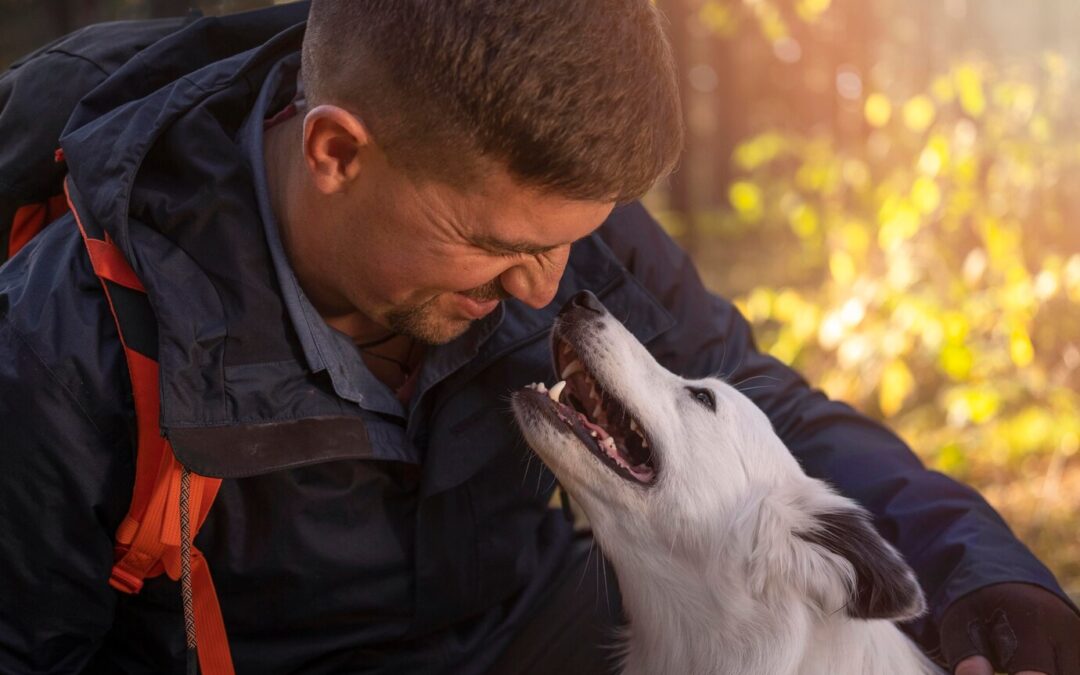
- Positive reinforcement training: This builds a strong bond and helps your dog learn and trust you. Avoid harsh punishment; it only exacerbates anxiety.
When Should I Seek Professional Help?
Don’t hesitate to seek professional help if you’re concerned about your dog’s mental health. A veterinarian can provide a diagnosis and recommend treatment options, which might include medication, behavioral modification therapy, or a referral to a certified veterinary behaviorist.
Remember, a mentally healthy dog is a happy dog. By paying attention to their needs and providing a loving and stimulating environment, you can ensure your furry friend enjoys a long and fulfilling life.


















0 comentários