


Positive Reinforcement: The Best Training Method
So, you’re thinking about training your pet, or maybe even yourself, and you’ve heard about positive reinforcement. Great choice! It’s really the gold standard for a reason. But you might have some questions, right? Let’s dive in and clear up any confusion.
What exactly *is* positive reinforcement?
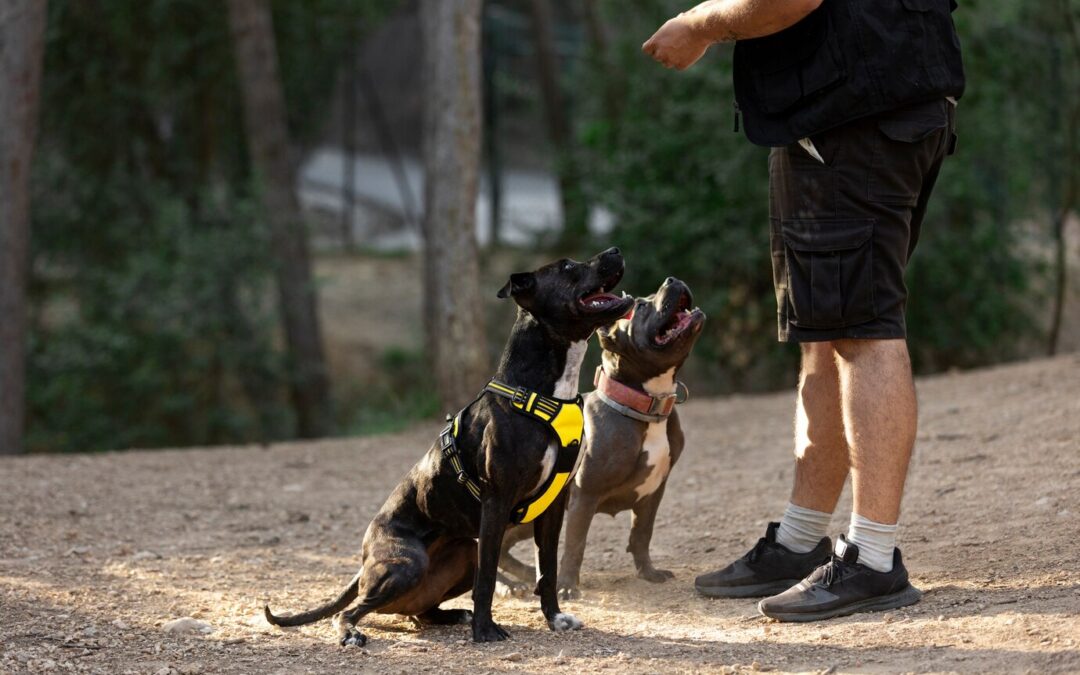
Simply put, it’s all about rewarding good behavior. When your dog sits on command, and you give them a treat and a praise, that’s positive reinforcement. The “positive” part means adding something desirable, and the “reinforcement” means it strengthens the behavior you want to see more of. It’s not about punishment – we’ll get to that later.
Isn’t it just bribery?
No way! Bribery implies manipulation, getting someone to do something they don’t want to. Positive reinforcement is about building a positive association. Your dog learns that sitting means getting something awesome – a treat, a game, a belly rub. They’re actively *choosing* to sit because it’s rewarding. This is hugely different than forcing them.
How do I use positive reinforcement effectively?
Here’s the key: Timing is everything! The reward needs to come immediately after the desired behavior. If you wait too long, your pet won’t connect the reward to the action.
Here’s a step-by-step guide:
- Identify the desired behavior: What do you want your pet (or yourself!) to do?
- Choose a reward: This could be treats, praise, toys, or even a favorite activity.
- Set the stage: Minimize distractions.
- Give the cue: Say the command (e.g., “sit”).
- Reward immediately: As soon as the behavior occurs.
- Repeat: Consistency is key!
What about when they misbehave?
Ignoring unwanted behaviors is often more effective than punishment. If a behavior is attention-seeking, ignoring it will likely make it disappear. If it’s something dangerous, gently redirect them to a more appropriate action and reward that instead. Remember, we want to build positive associations, not instill fear or resentment. Experts like Dr. Ian Dunbar strongly advocate this approach.
Isn’t positive reinforcement too slow?
It might seem that way at first, but the results are much more lasting. Punishment might get a quick result, but it often leads to fear, anxiety, and aggression in the long run, and might create a distrustful relationship. Positive reinforcement builds trust and a strong bond, making the training process more enjoyable for both you and your furry (or human!) friend.
Where can I learn more?
There are tons of great resources out there! Books by Karen Pryor and Victoria Stilwell are fantastic starting points. You can also find many helpful videos and articles online.
Remember, patience and consistency are crucial. Celebrate small victories along the way – positive reinforcement is a journey, not a race!













0 comentários