

Getting Started: Puppy Kindergarten or Not?
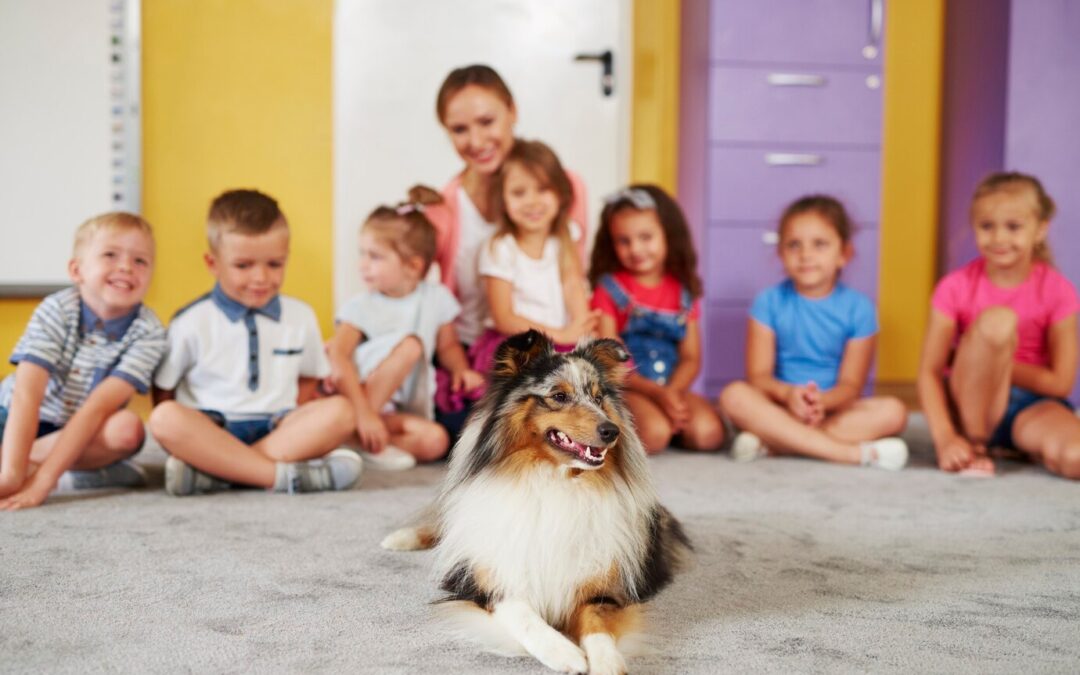
So, you’ve got a new furry friend, and you’re ready to start training! That’s fantastic! One of the first questions many new pet parents ask is whether or not they need professional puppy kindergarten classes. The short answer is: it depends! Puppy classes are a great way to socialize your dog early on and get expert guidance, especially if you’re a first-time dog owner. They provide a structured environment for learning basic commands and interacting with other dogs. However, with consistency and the right approach, you can absolutely teach your dog at home, too.
Choosing the Right Time and Place
Timing is everything! Training sessions should be short and sweet, especially at the beginning. Aim for 5-10 minute sessions, multiple times a day. A tired or hungry dog won’t be receptive to learning. Choose a quiet, distraction-free area. Your living room is a perfectly good place to start.
Essential Commands: A Step-by-Step Guide
Sit
This is a fundamental command. Start by holding a treat close to your dog’s nose, then slowly move it over their head towards their tail. As their nose follows the treat, their rear end will naturally lower into a sit. The moment they sit, say “Sit!” in a clear, upbeat voice, and immediately reward them with the treat and praise. Repeat this process several times a day.
Stay
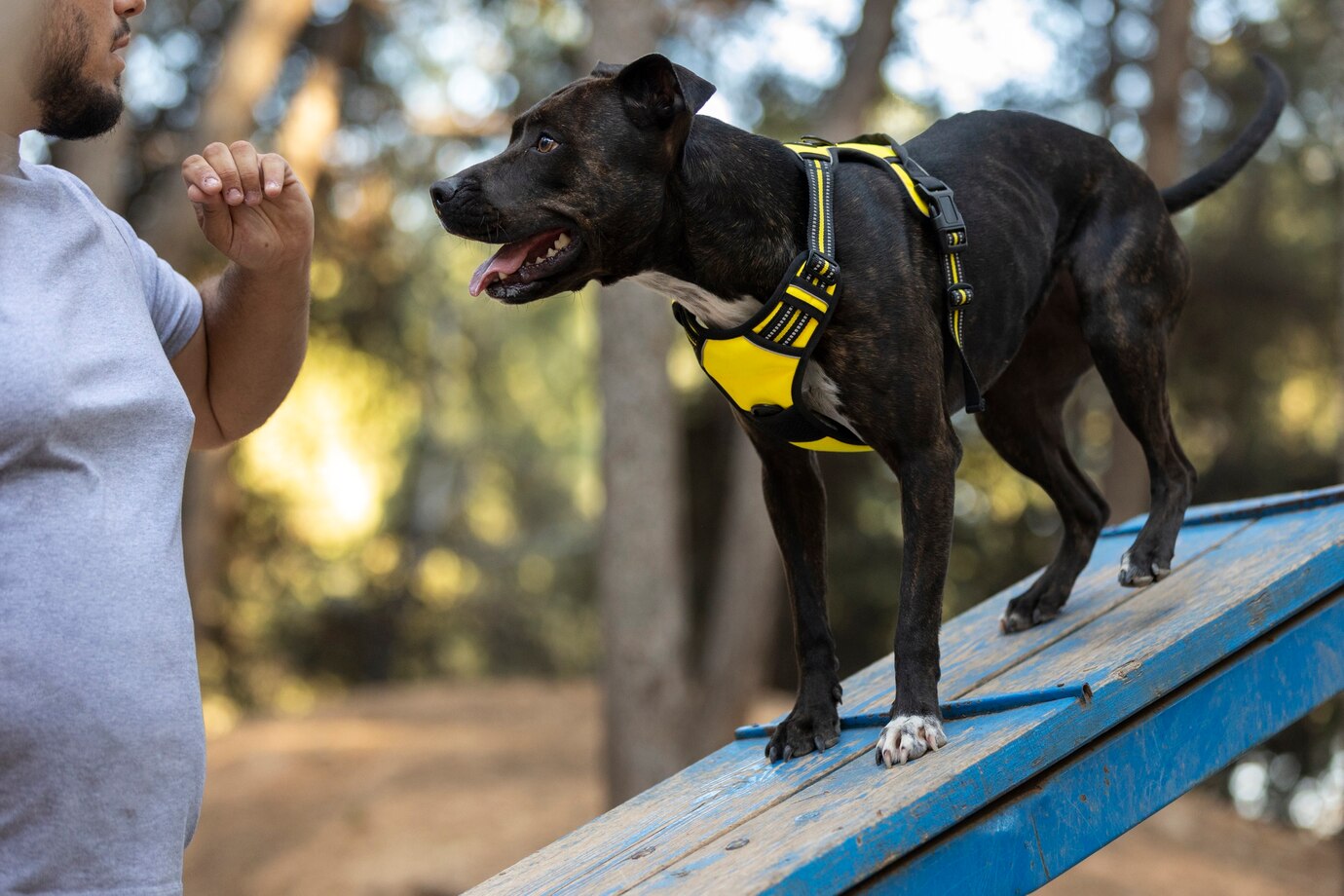
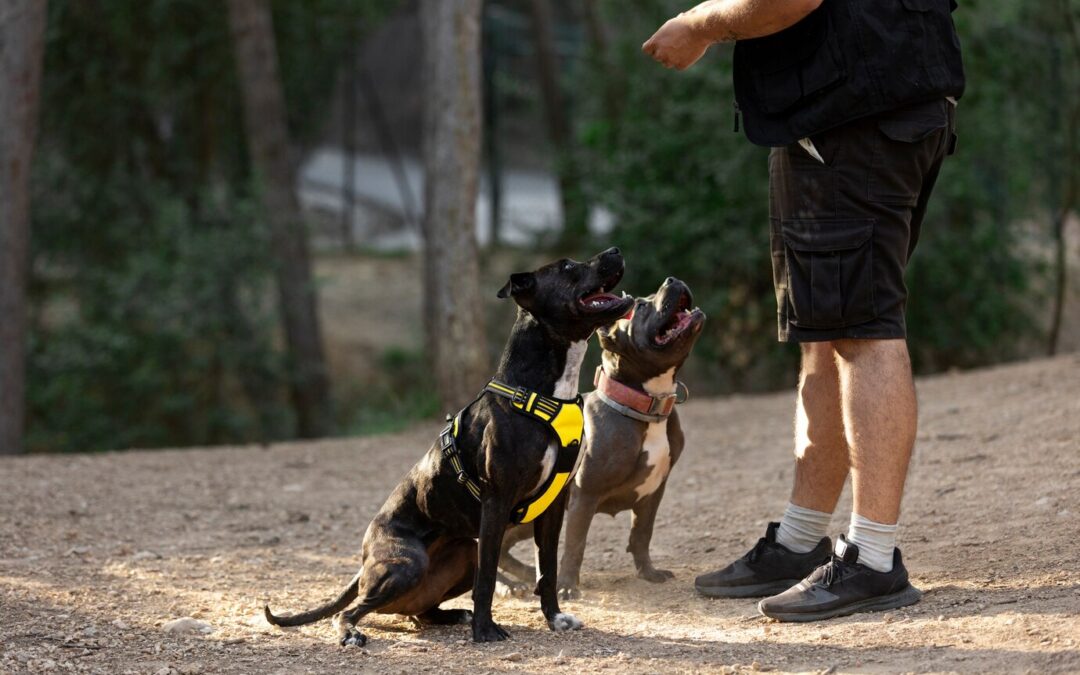
Once your dog reliably sits, you can introduce “Stay.” Have your dog sit, then hold your hand out in front of them, palm facing them, and say “Stay.” Start with just a second or two, gradually increasing the duration as your dog masters the command. Reward with treats and praise when they stay. Use a hand signal along with the verbal cue for better understanding.
Come
This is a crucial command for safety. Start in a small, enclosed area. Say “Come!” enthusiastically, and lure your dog towards you with a treat and praise. Keep training sessions short and positive.
Down
Similar to “Sit,” lure your dog into a down position by moving a treat along the ground from their nose to their paws. Say “Down!” as they lower, reward them with a treat and lots of praise.
Leave It
This is invaluable for preventing your dog from eating things they shouldn’t. Hold a treat in your closed fist. Say “Leave it!” If they don’t try to take the treat from your hand, immediately reward them with a different treat. If they try to get to the treat in your fist, try again, or try a different training method. A valuable tip is to use high-value treats to reinforce the ‘leave it’ command.
Troubleshooting: Common Challenges
- Lack of Focus: Keep training sessions short and engaging. Use high-value treats.
- Distractions: Gradually introduce distractions to help your dog learn to focus on you even when there’s something else going on.
- Inconsistency: Use the same commands and hand signals every time. Everyone in the household should use the same commands.
Positive Reinforcement: The Key to Success
Remember, positive reinforcement is key! Focus on rewarding good behavior with treats, praise, and even a favorite toy. Avoid punishment, as it can create fear and anxiety. Patience and consistency are crucial. Celebrate small victories and be patient with setbacks—both you and your dog are learning together!
Seeking Professional Help
If you’re struggling, don’t hesitate to seek professional help from a certified dog trainer or behaviorist. They can provide personalized guidance and address any specific challenges you’re facing.









0 comentários