

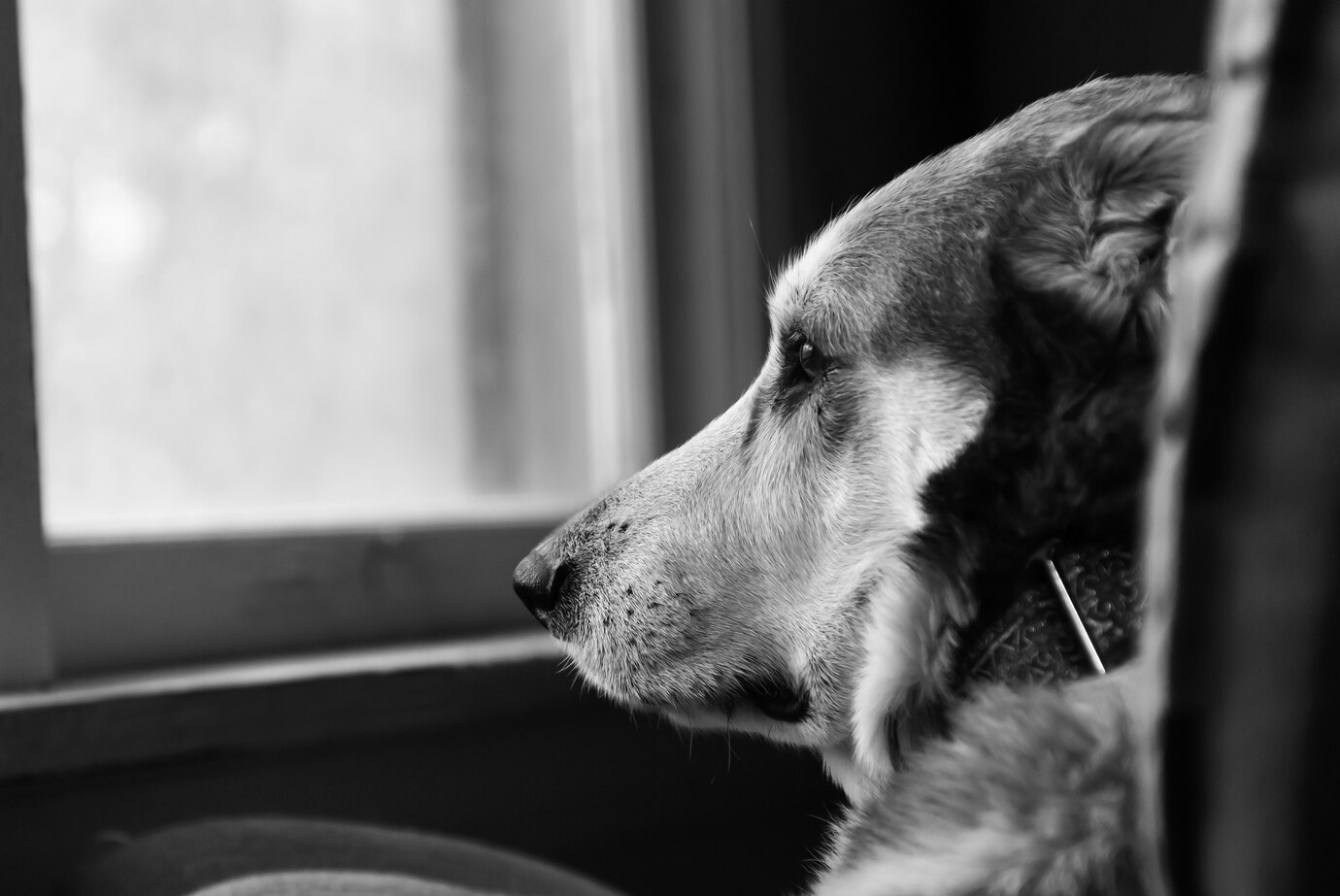
Saying Goodbye: A Dog’s Last Day
It’s never easy, is it? Facing the end of a beloved pet’s life is one of the hardest things a pet owner will ever go through. But knowing you gave them the best possible life, filled with love and comfort, makes all the difference. Let’s talk about how to navigate this difficult time, addressing some common questions and concerns.
Recognizing the Signs
One of the first questions people ask is, “How do I know when it’s time?” It’s heartbreaking, but there are often physical and behavioral signs that indicate your dog is nearing the end of their life. These can include significant weight loss, loss of appetite, increased lethargy and sleeping, difficulty breathing, incontinence, and changes in their behavior – they might become less interested in things they once loved, like walks or toys.
- Persistent Vomiting or Diarrhea: This could signal a serious underlying issue.
- Changes in Cognitive Function: Confusion, disorientation, or unusual vocalizations can be signs of age-related cognitive decline.
- Pain: If your dog seems to be in constant pain, it’s crucial to seek veterinary advice.
It’s crucial to remember that every dog is different, and the signs can vary. Don’t hesitate to discuss your concerns with your veterinarian. They can help you assess your dog’s condition and offer guidance. Your vet is an invaluable resource during this difficult time – don’t hesitate to reach out.
Making the Difficult Decision
Deciding when to euthanize a beloved pet is incredibly personal and there’s no right or wrong answer. It’s a decision based on quality of life, not just length of life. Many owners find it helpful to ask themselves:
- Is my dog experiencing significant pain or discomfort that can’t be effectively managed?
- Is my dog still enjoying activities they used to love?
- Is my dog’s quality of life significantly diminished?
- Are they able to perform basic bodily functions without significant difficulty?
Remember, choosing euthanasia is an act of love, a way to prevent unnecessary suffering. It’s about giving your dog a peaceful and dignified exit. Your vet will walk you through the process, ensuring your dog feels calm and comfortable.
Saying Goodbye
The final moments are precious. Spend time with your dog, offering comfort and affection. Consider having your family and close friends present, sharing those last moments together. After euthanasia, many find it helpful to have a private moment with their pet. Allowing yourself to grieve is crucial, and it is a process, not a destination.
Afterward: Coping with Loss
Grief is a deeply personal journey, and there’s no timeline for healing. Allow yourself to feel the sadness, anger, or guilt that may arise. Talking to friends, family, or a grief counselor can be immensely helpful. Support groups specifically for pet loss can provide a safe space to share your experiences with others who understand.
Remember the joy and unconditional love your dog brought into your life. Cherish the memories and celebrate the special bond you shared.












0 comentários