


Introduction
Tracking dogs are specialized working dogs trained to follow the scent trail of a person, animal, or object. With their extraordinary sense of smell, they play critical roles in search-and-rescue missions, criminal investigations, and wildlife management. Tracking dogs exemplify the remarkable capabilities of canine noses, turning them into invaluable assets in a variety of fields.
What Are Tracking Dogs?
Tracking dogs use their heightened olfactory abilities to detect and follow specific scents over long distances. Their unique skill set allows them to locate missing persons, identify suspects, or track wildlife in diverse environments. Unlike other working dogs, tracking dogs focus primarily on ground scents, making them highly effective in pinpointing trails left behind.
Roles and Responsibilities of Tracking Dogs
-
Search and Rescue (SAR):
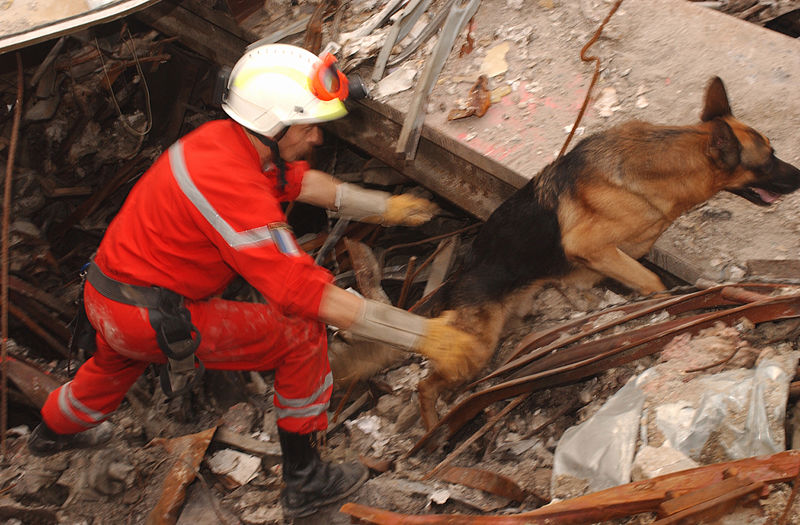
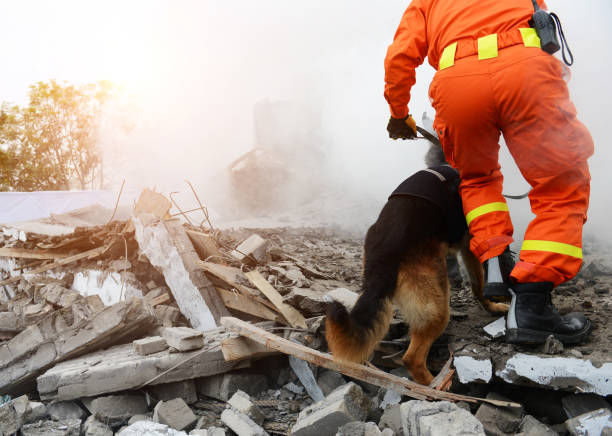
Tracking dogs are integral to SAR teams, helping locate lost hikers, missing children, or disaster victims. -
Law Enforcement:
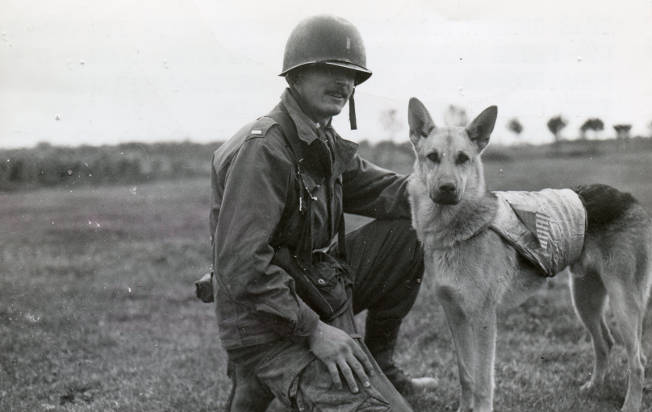
Police and military forces use tracking dogs to follow suspects, locate evidence, or recover contraband. -
Wildlife Management:
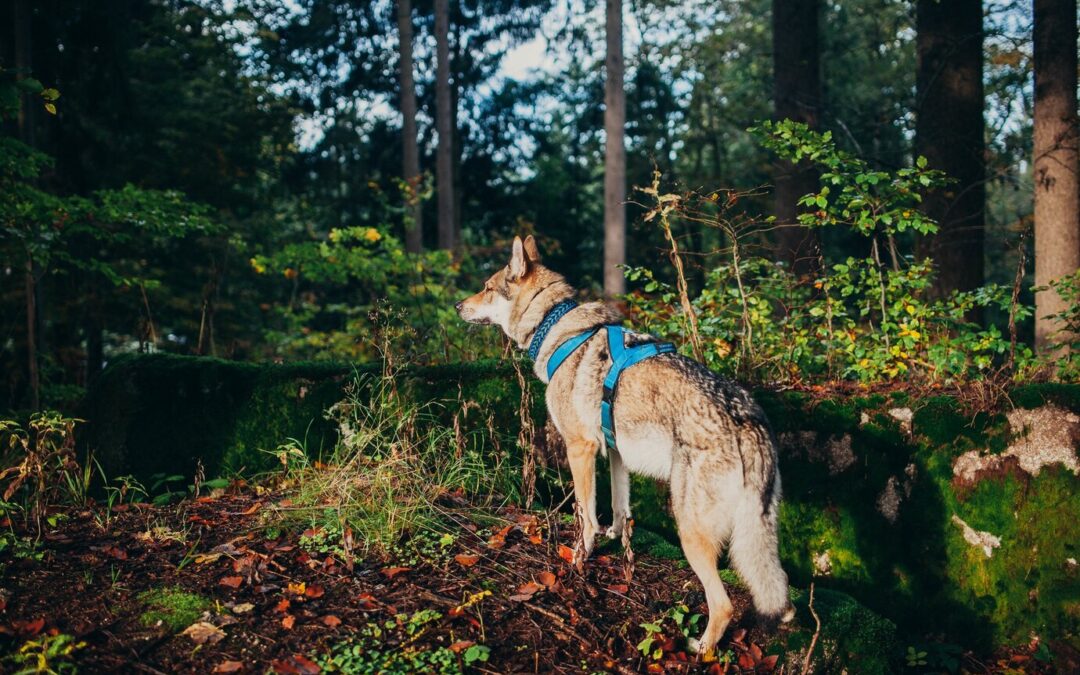
These dogs assist conservationists in monitoring animal populations, identifying poachers, and tracking endangered species. -
Sports and Recreational Tracking:
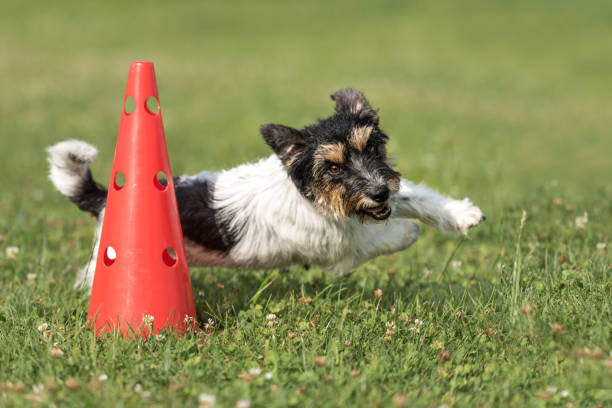
Many dog enthusiasts engage in tracking as a sport, celebrating their dogs’ natural abilities in controlled, competitive environments.
How Tracking Dogs Work
Tracking dogs rely on their exceptional sense of smell, which is 40 times more sensitive than a human’s. Here’s how they do it:
-
-
Scent Detection:
Every person, animal, or object leaves behind a unique scent trail of skin cells, sweat, or environmental particles. -
Ground Scenting:
Tracking dogs predominantly follow ground scents, sniffing where a trail has been disturbed. -
Focused Concentration:
Through training, tracking dogs learn to ignore distractions and stay focused on their assigned scent.
-
Popular Breeds for Tracking
While many breeds are capable of tracking, certain breeds excel due to their olfactory prowess, stamina, and work ethic:
- Bloodhound: Renowned for their unmatched sense of smell, Bloodhounds are iconic tracking dogs often used in law enforcement and SAR.
- German Shepherd: Known for their versatility, German Shepherds are reliable trackers, especially in police and military roles.
- Labrador Retriever: These friendly and intelligent dogs are frequently used for scent tracking in SAR and hunting scenarios.
- Beagle: Despite their small size, Beagles are skilled at detecting and following scent trails, making them excellent tracking companions.
- Coonhound: Specializing in hunting and wildlife tracking, Coonhounds excel at trailing game over long distances.
Training Tracking Dogs
Training a tracking dog requires patience, consistency, and a strong handler-dog bond. Key elements of training include:
-
Scent Familiarization:
Introducing the dog to the specific scent they’ll be tracking, often using a piece of clothing, fur, or another scent article. -
Short, Simple Trails:
Starting with short, straightforward trails to build the dog’s confidence and understanding. -
Gradual Progression:
Increasing trail length and complexity as the dog gains experience and skill. -
Reward-Based Reinforcement:
Using positive reinforcement like treats, toys, or praise to reward successful tracking. -
Environmental Adaptation:
Exposing the dog to different terrains and weather conditions to prepare them for real-world scenarios.

Famous Tracking Dogs in History
- Nick Carter (Bloodhound): Known for solving numerous criminal cases in the late 19th century.
- Tinker (Beagle): Helped locate survivors during search-and-rescue missions in post-earthquake scenarios.
Modern Uses of Tracking Dogs
Tracking dogs continue to evolve in their roles. In addition to traditional uses, they are now employed in innovative ways, such as:
- Forensic Evidence Detection: Locating discarded weapons or other critical items in criminal investigations.
- Wildlife Conservation: Tracking invasive species or monitoring endangered populations.
- Medical Research: Identifying diseases by tracking specific scent markers.
Care and Maintenance of Tracking Dogs
Tracking dogs are hardworking animals that require proper care to maintain their health and performance:
- Physical Fitness: Regular exercise to build stamina and strength for tracking tasks.
- Mental Stimulation: Engaging scent games or challenges to keep their skills sharp.
- Routine Veterinary Care: Monitoring their health, especially their noses and paws, which are critical for their work.
Conclusion
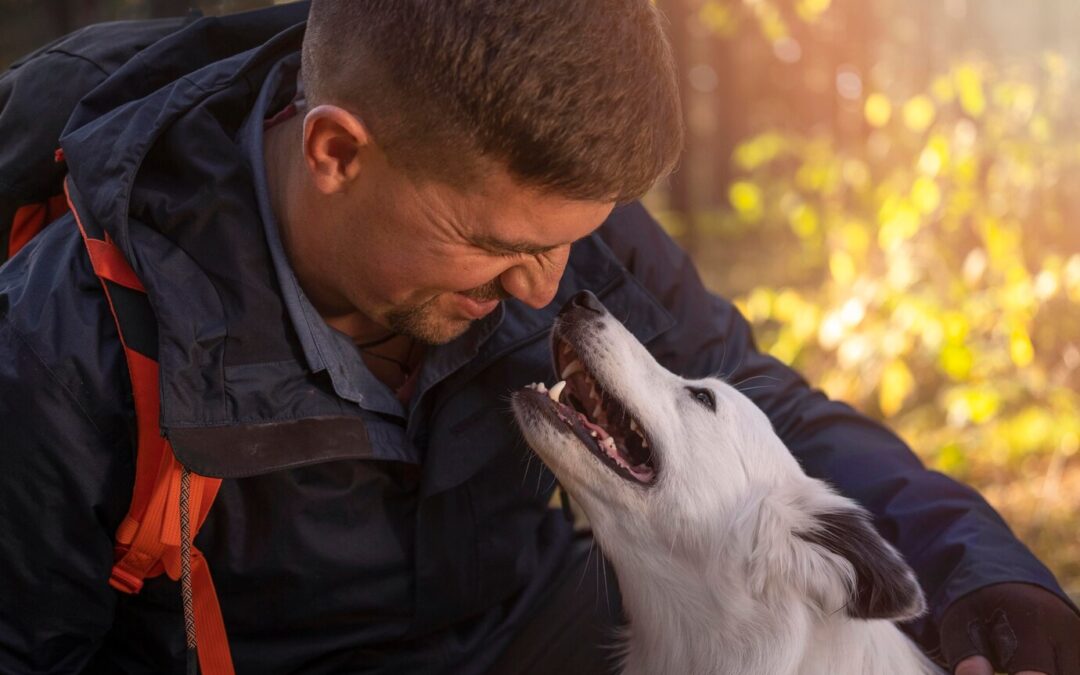
Tracking dogs are extraordinary animals whose abilities go far beyond what most people realize. Their powerful noses, combined with their intelligence and determination, make them irreplaceable in a wide range of tasks. Whether searching for a lost child, solving a crime, or assisting in wildlife conservation, tracking dogs embody the incredible partnership between humans and dogs.








0 comentários