


Introduction
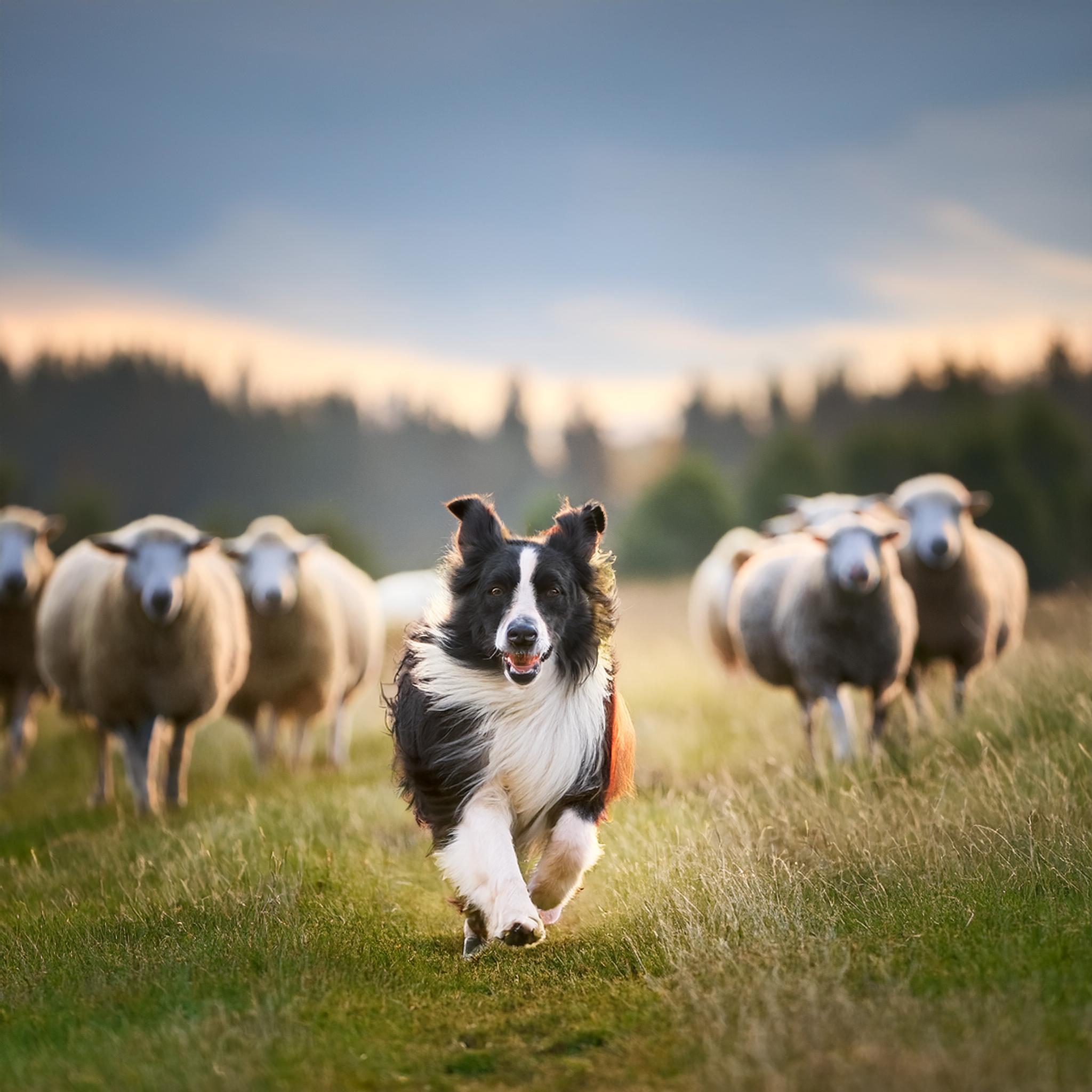
Herding dogs are remarkable canines with instincts and skills honed for controlling, guiding, and protecting livestock. Bred for their intelligence, agility, and strong work ethic, herding dogs have been essential partners to farmers and ranchers for centuries. Known for their loyalty, quick learning, and keen senses, these dogs play a vital role in managing livestock efficiently and humanely.
Roles and Responsibilities of
Herding Dogs
- Guiding Livestock
Herding dogs are responsible for moving livestock from one place to another, such as guiding sheep, cattle, or goats from grazing areas to barns. Their natural herding instincts allow them to anticipate the animals’ movements, control their direction, and keep the group cohesive. - Assisting Farmers and Ranchers
Herding dogs reduce the need for manpower in handling livestock, making farm work more efficient. They can quickly gather and guide livestock, helping farmers and ranchers manage large groups of animals effectively, even across vast or rough terrains.
-
Companionship and Loyalty
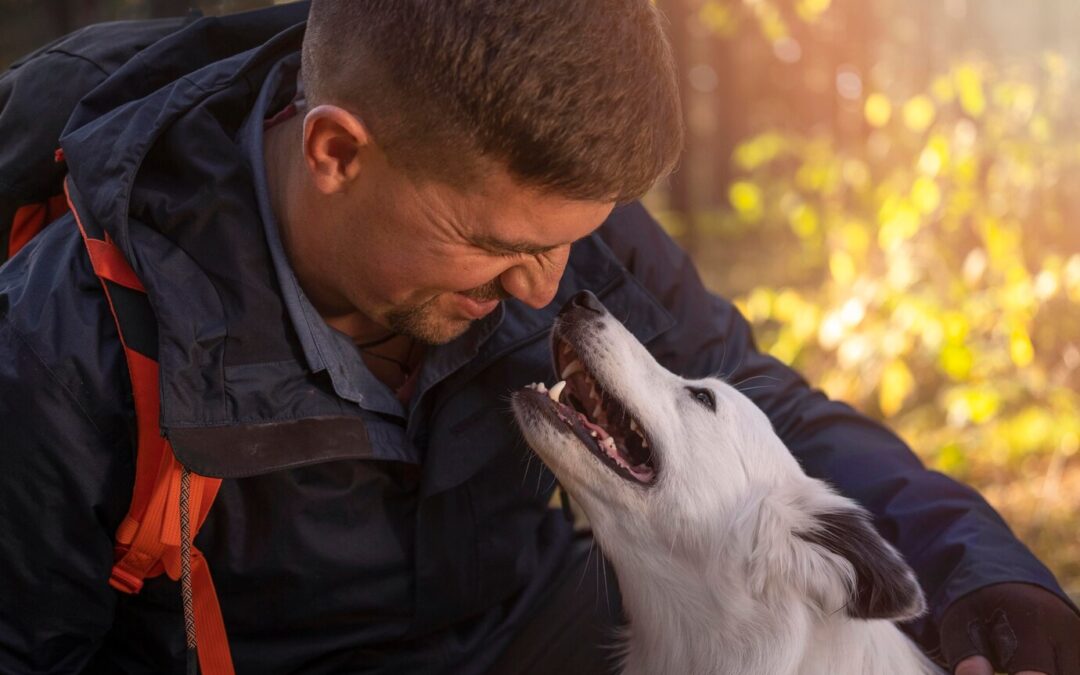
Besides their work responsibilities, herding dogs often develop strong bonds with their handlers, offering companionship and loyalty. Their close connection with humans makes them highly responsive to commands and willing to go above and beyond in their duties.
Popular Breeds of Herding Dogs
Several breeds excel at herding work, each with unique traits that make them suited to different types of livestock and environments:
- Border Collie: Known for their intelligence and intense focus, Border Collies are highly versatile and excel in herding sheep and other livestock over long distances.
- Australian Shepherd: Energetic and alert, Australian Shepherds are adaptable to various climates and excel in herding cattle and sheep.
- Australian Cattle Dog: Also known as “Blue Heelers” or “Red Heelers,” these dogs are rugged and hardworking, ideal for herding cattle across tough terrains.
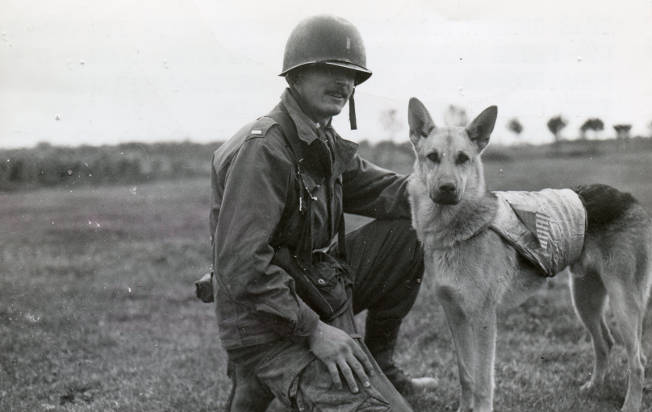
- German Shepherd: Although more commonly associated with police work, German Shepherds are natural herders and can handle both sheep and cattle with strength and discipline.
Training and Skills Development for Herding Dogs
Herding dogs undergo specialized training to refine their natural instincts and develop advanced skills. Key elements of their training include:
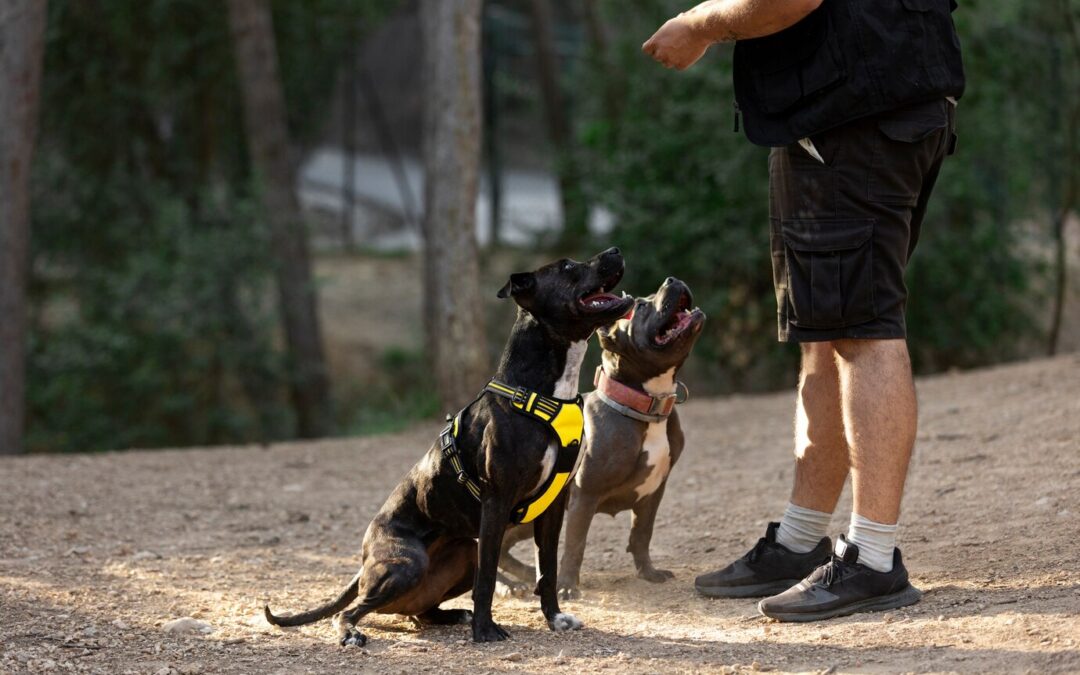
- Obedience Training: Herding dogs must respond immediately to commands and cues, often from a distance.
- Directional Control: Training focuses on teaching dogs to understand directional cues, so they can lead livestock in specific directions or gather them into a group.
- Focus and Patience: Herding dogs need focus and patience to control livestock effectively, staying calm and disciplined to avoid stressing the animals.

Handlers often use whistles or voice commands to communicate with herding dogs, building trust and teamwork that allows for seamless cooperation.
Types of Herding Techniques
Herding dogs typically use one of two primary herding techniques:
- Gathering: In this approach, the dog encircles the livestock, bringing them together in a cohesive group, often for the purpose of moving them to a new area.
- Driving: In this method, the dog stays behind the livestock, guiding them forward toward a specific destination.
Some herding dogs are versatile enough to use both techniques, depending on the handler’s commands and the needs of the livestock.
Herding Dogs in Modern Times
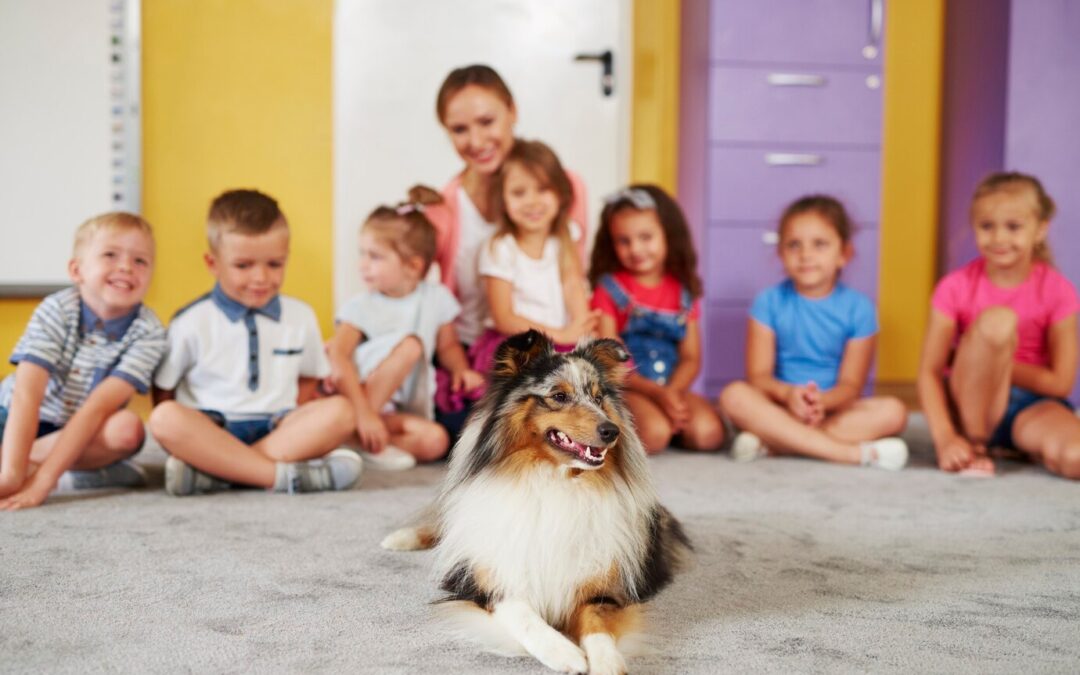
While herding dogs remain essential on many farms and ranches, they’ve also become popular in dog sports, especially herding trials and competitions that showcase their agility, intelligence, and responsiveness. Many herding breeds also excel as family pets, offering loyalty, intelligence, and companionship, though they require mental and physical stimulation to stay happy.
Conclusion
Herding dogs are extraordinary animals whose skills, instincts, and dedication make them indispensable to farmers and ranchers around the world. With their natural herding abilities, loyalty to their handlers, and unwavering focus, herding dogs play a crucial role in livestock management and have earned a special place in both the farming community and the hearts of dog lovers. As both hardworking companions and beloved pets, herding dogs embody the strength and intelligence that define the bond between humans and dogs.








0 comentários