

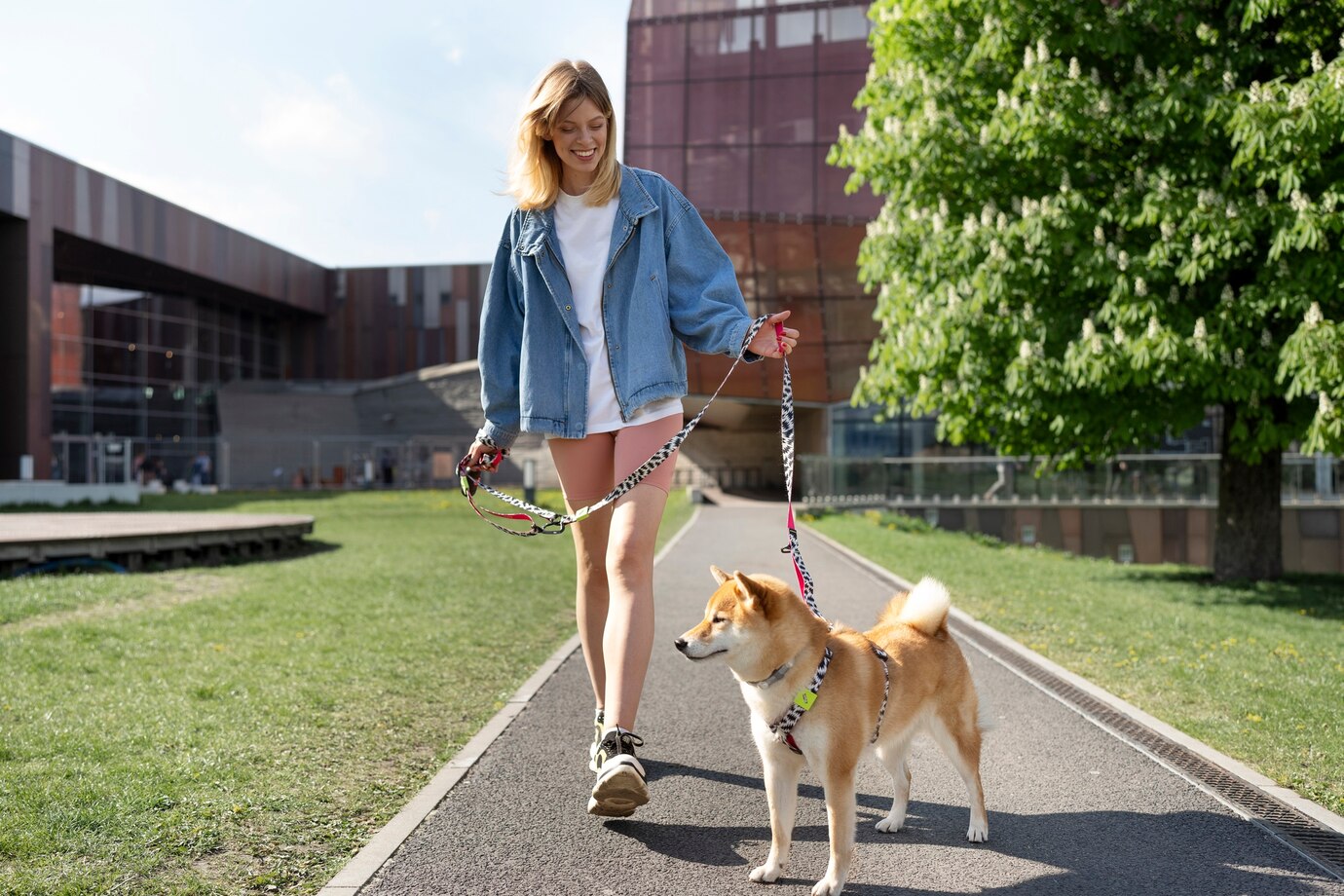
Choosing the Right Leash for Your Canine Companion
So, you’re looking for a leash for your furry friend? That’s great! Finding the right leash can make walks safer, more enjoyable, and even help with training. But with so many options out there – from retractable leashes to slip leads – it can feel a little overwhelming. Don’t worry, we’re here to help you navigate the world of dog leashes and find the perfect match for you and your pup.
What are the different types of dog leashes?
Let’s explore some of the most common types:
- Standard Leashes: These are your everyday, reliable leashes. They usually come in various lengths (4-6 feet are popular) and materials (nylon, leather, rope). They’re great for general walks and offer good control.
- Retractable Leashes: These leashes allow your dog more freedom to roam, but they require careful management. The cord extends and retracts with a button mechanism. While convenient, they can be dangerous if not used correctly, and are generally less recommended for strong or reactive dogs.
- Slip Leads: These are essentially a loop of material that slips over your dog’s head. They’re often used for training because they allow for quick corrections, but should be used carefully and with proper training knowledge as incorrect usage can be harmful.
- Couplers/Double Leashes: These allow you to walk two dogs simultaneously. They’re super helpful for managing multiple pets, and reduce the stress of walking two dogs on separate leashes.
- Training Leashes: These are longer leashes, sometimes up to 15-20 feet, giving your dog more space while still maintaining control. They’re excellent for teaching loose-leash walking and recall.
- Bungee Leashes: These have a bungee cord section to absorb some of the shock of sudden pulls, making them gentler on both you and your dog. However, they’re not ideal for dogs that pull aggressively.
What factors should I consider when choosing a leash?
- Your Dog’s Size and Strength: A tiny chihuahua needs a much lighter and thinner leash than a Great Dane. Consider your dog’s pulling habits; a strong puller might need a thicker, more durable leash.
- Your Dog’s Temperament: A reactive dog might benefit from a shorter leash for better control, while a well-trained dog might enjoy the freedom of a longer leash.
- Your Walking Style: Do you prefer a firm grip or a more relaxed feel? Do you need a lot of control, or are you mainly looking for a way to keep your dog safely restrained?
- The Material: Nylon is durable and easy to clean; leather is stylish but requires more maintenance. Rope leashes are strong but can be rough on your hands.
- The Length: A 6-foot leash is a good standard for most situations. Shorter leashes provide more control, while longer leashes give your dog more freedom (always keep your dog’s recall in mind).
Safety First!
Regardless of the leash type you choose, remember that a secure connection to your dog’s collar or harness is crucial. Always double-check the clips and ensure the leash is in good condition before each walk. Proper training is essential, particularly with retractable leashes and dogs prone to pulling.
Choosing the right dog leash is an important step in ensuring a safe and happy walking experience for both you and your dog. Happy walking!

















0 comentários