

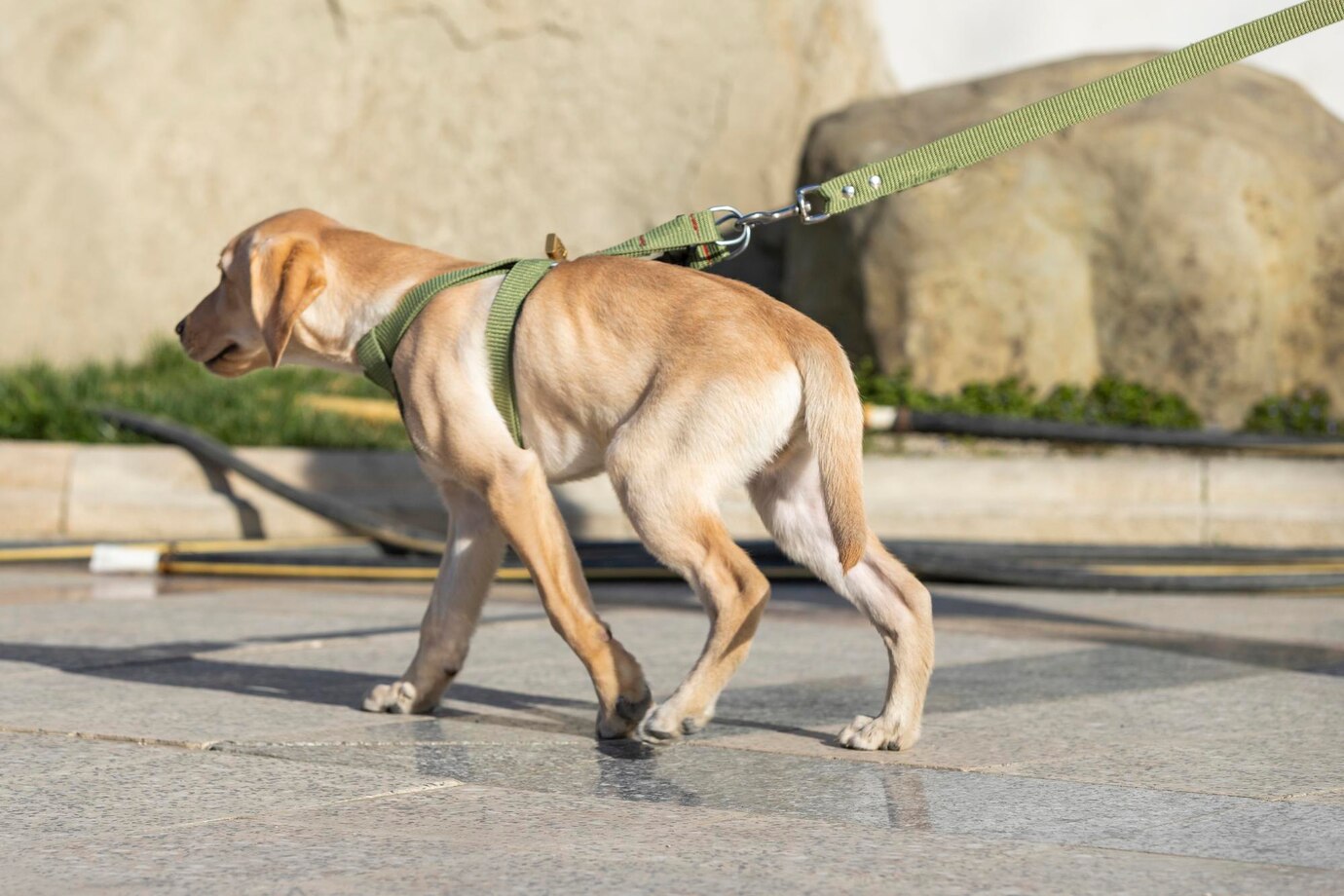
Collars vs. Harnesses: What’s Right for Your Pup?
So, you’re looking to get your furry friend a new walking accessory, but faced with a choice: collar or harness? It’s a common dilemma, and honestly, there’s no one-size-fits-all answer. The best option really depends on your dog’s breed, temperament, and your specific needs. Let’s break it down!
Collars: The Classics
Collars have been around for ages, and for good reason. They’re simple, often stylish, and easy to put on. Many dogs tolerate them well, and they’re perfect for attaching ID tags – crucial for keeping your pup safe.
- Great for: Smaller, well-behaved dogs who don’t pull excessively on the leash.
- Things to Consider: Collars can be dangerous for dogs who pull a lot. The pressure on their necks can lead to injuries like tracheal collapse (especially in breeds prone to it like Chihuahuas and Poodles) or even damage to their spinal cord in extreme cases. Always supervise your dog closely while wearing a collar, especially small breeds.
Harnesses: A Safer Alternative?
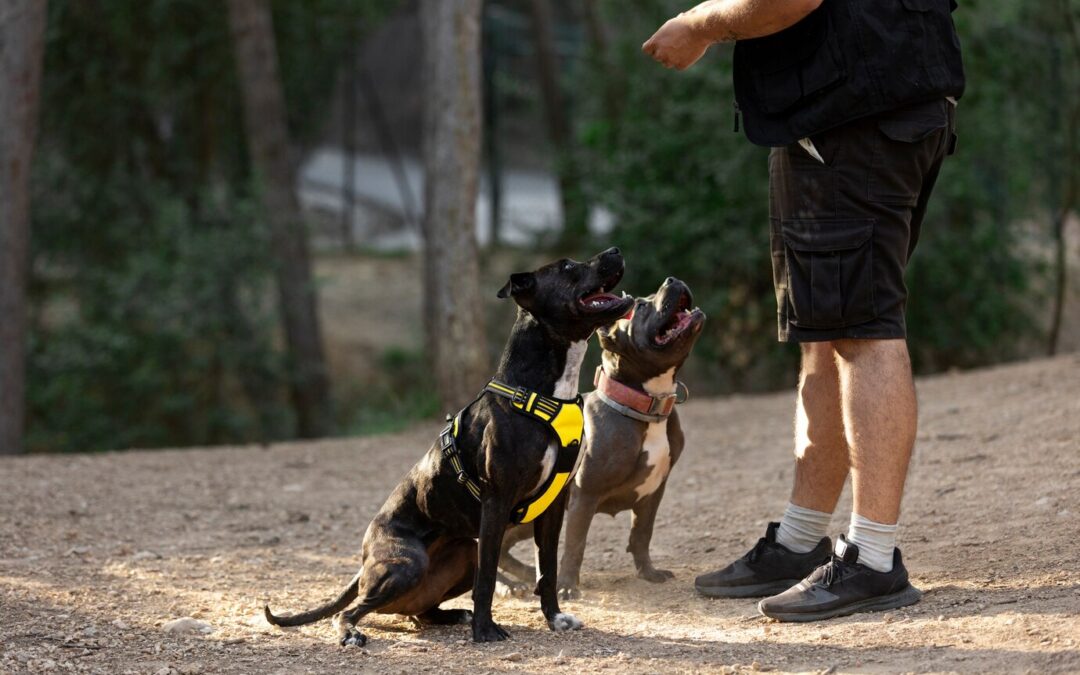
Harnesses distribute pressure across your dog’s chest and shoulders instead of just their neck. This makes them a significantly safer option for dogs who pull, reducing the risk of neck injuries. There are many different types of harnesses, each with its own advantages and disadvantages.
- Front-Clip Harnesses: These harnesses clip at the dog’s chest. When your dog pulls, it gently steers them back towards you. This is very effective for training dogs to walk politely on the leash.
- Back-Clip Harnesses: These harnesses clip at the back. They’re generally more comfortable for the dog, but won’t offer the same pulling-deterrent effect as a front-clip harness.
- Step-in Harnesses: These are easy to put on and take off.
- Things to Consider: While harnesses are generally safer than collars, some dogs can wriggle out of them. Choose a well-fitting harness that’s snug but not restrictive and ensure it is correctly adjusted.
Choosing the Right One for Your Dog
Think about your dog’s behavior:
- Does your dog pull on the leash? If so, a harness, particularly a front-clip harness, is strongly recommended.
- Is your dog a strong puller? A well-fitted harness designed for strong pullers may be necessary.
- Does your dog have any neck or respiratory issues? If so, a harness is generally safer.
- What is your dog’s breed and size? Certain breeds are more prone to neck injuries than others.
Beyond the Basics: Safety First!
No matter whether you choose a collar or a harness, always:
- Ensure it fits properly. Too tight, and it will be uncomfortable. Too loose, and your dog could slip out.
- Use strong, reliable clips and buckles. Your dog’s safety depends on them.
- Attach an ID tag with your contact information. This is vital in case your dog gets lost.
- Supervise your dog closely during walks. Even the best gear can’t prevent accidents entirely.
Ultimately, the decision between a collar and a harness is a personal one. Consider your dog’s individual needs and always prioritize their safety and comfort. If you’re unsure, consult with your veterinarian or a professional dog trainer for personalized advice. Happy walking!
















0 comentários