

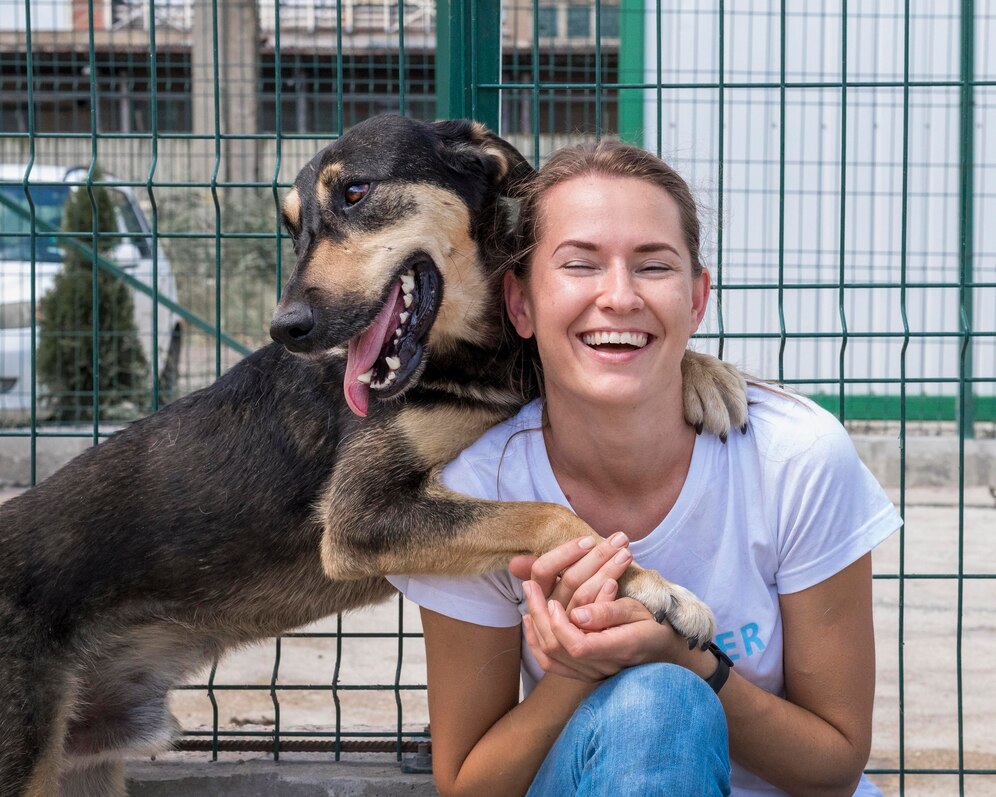
So You’ve Adopted a Rescue Dog… Now What?
Bringing a rescue dog home is incredibly rewarding, but it also comes with its own set of challenges. Many rescue dogs arrive with behavioral issues stemming from past trauma, neglect, or simply a lack of proper training. Don’t worry, though! With patience, understanding, and the right approach, you can help your furry friend overcome these challenges and thrive in their new home.
Understanding Your Dog’s Past
Before we dive into solutions, it’s crucial to remember that your dog’s behavior isn’t just “bad” behavior; it’s often a direct result of their experiences. Understanding their past, while sometimes impossible to fully know, can help you tailor your approach. Did they come from a high-kill shelter? Were they surrendered due to behavioral problems? Were they abused or neglected? Talking to the rescue organization or shelter can provide invaluable insight.
Common Behavioral Challenges in Rescue Dogs
Many rescue dogs exhibit common issues like:
- Fear and Anxiety: This can manifest as hiding, trembling, aggression, or excessive barking.
- Separation Anxiety: Destructive chewing, excessive barking, or howling when left alone.
- Aggression: Towards people, other dogs, or even objects. This requires careful and professional management.
- House Training Issues: Accidents in the house are common, especially initially.
- Leash Reactivity: Pulling, lunging, barking, or showing aggression towards other dogs or people while on a leash.
How to Help Your Rescue Dog
The key is consistency, patience, and positive reinforcement. Here’s a breakdown:
1. Patience is Key
Remember, it takes time for a dog to adjust to a new environment and build trust. Be prepared for setbacks and celebrate even the smallest successes. Avoid punishment-based training; it can worsen fear and anxiety.
2. Positive Reinforcement Training
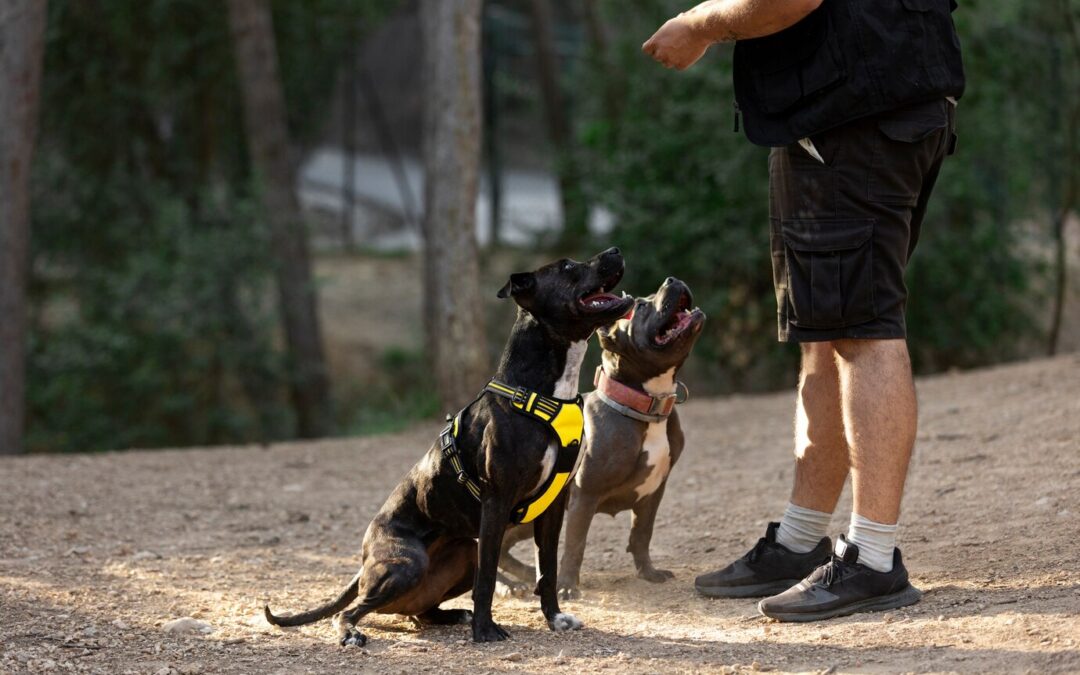
This involves rewarding desired behaviors with treats, praise, or toys. Focus on building a positive association with you and their new home. Consider enrolling in a positive reinforcement training class – a certified professional dog trainer can offer tailored advice and guidance.
3. Create a Safe Space
Provide your dog with a comfortable, quiet den where they can retreat when feeling overwhelmed. This could be a crate, bed, or a specific corner of a room.
4. Address Underlying Anxiety
If anxiety is a significant issue, consult your veterinarian. They may recommend medication or suggest behavior modification techniques. A certified veterinary behaviorist can provide expert guidance.
5. Slow and Steady Introductions
Introduce your dog to new people, dogs, and environments gradually. Avoid overwhelming them with too much stimulation at once.
6. Professional Help
Don’t hesitate to seek professional help if you’re struggling. A certified professional dog trainer or veterinary behaviorist can provide personalized guidance and address specific behavioral issues.
Celebrating Success
Remember to celebrate your dog’s progress! Every small step forward, every moment of calm, every successful walk – it all matters. With love, patience, and the right approach, you can help your rescue dog overcome their challenges and live a happy, fulfilling life.
















0 comentários