

“`html
Why is Dog Grooming So Important?
So, you’ve got a furry friend, and you love them to bits. But how much do you *really* know about keeping them healthy and happy? It’s more than just belly rubs and playtime, you know! Grooming is a vital part of your dog’s overall wellbeing, and it’s often overlooked. Let’s tackle some common questions and clear up any confusion.
Why is Regular Grooming Important?
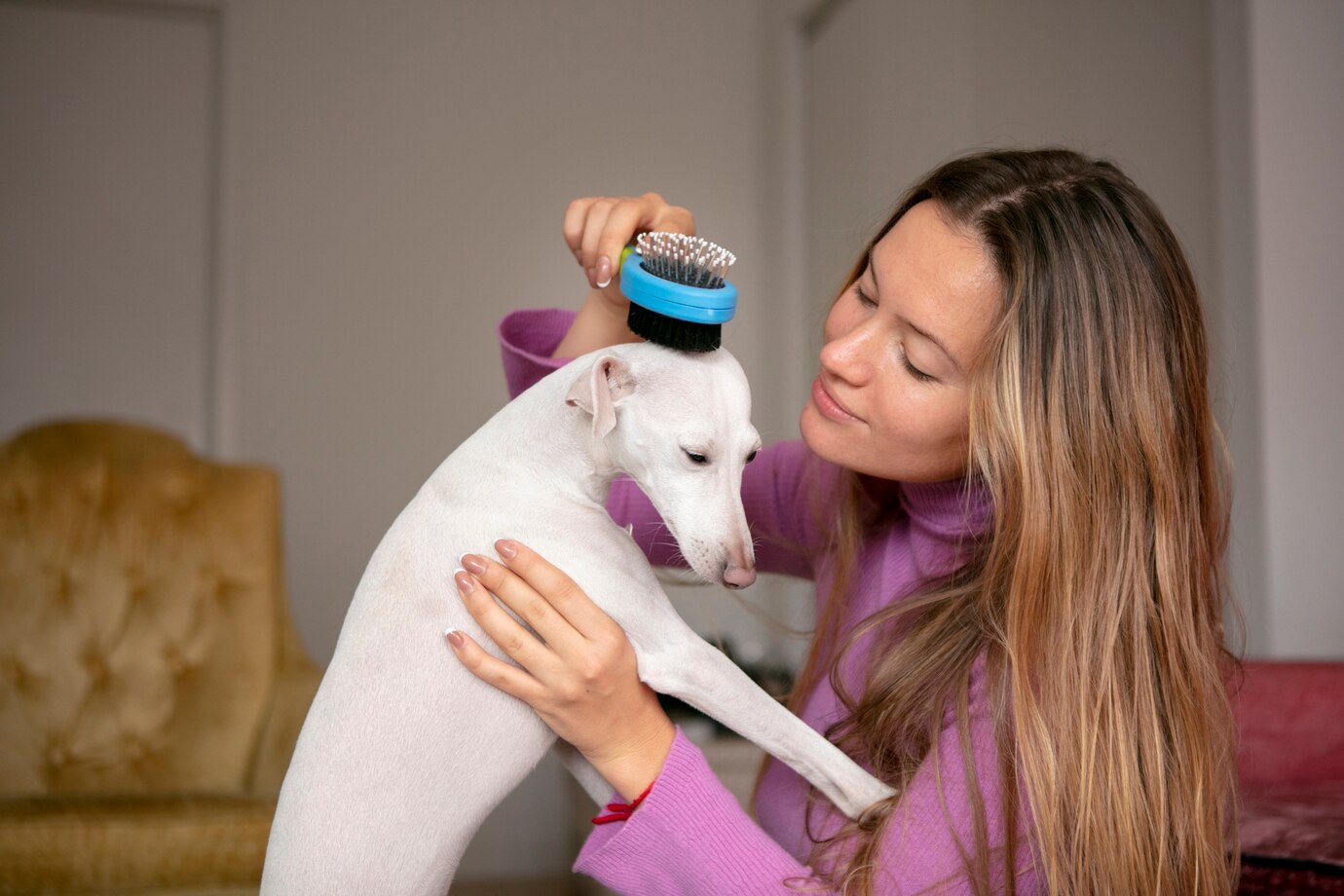
Think of grooming as preventative healthcare for your pup. It’s not just about making them look pretty (although that’s a nice bonus!). Regular brushing prevents mats and tangles, which can be painful and even lead to skin infections. It also helps distribute natural oils, keeping their coat shiny and healthy. Plus, regular grooming allows you to check for any lumps, bumps, fleas, or ticks – catching potential problems early is key.
How Often Should I Groom My Dog?
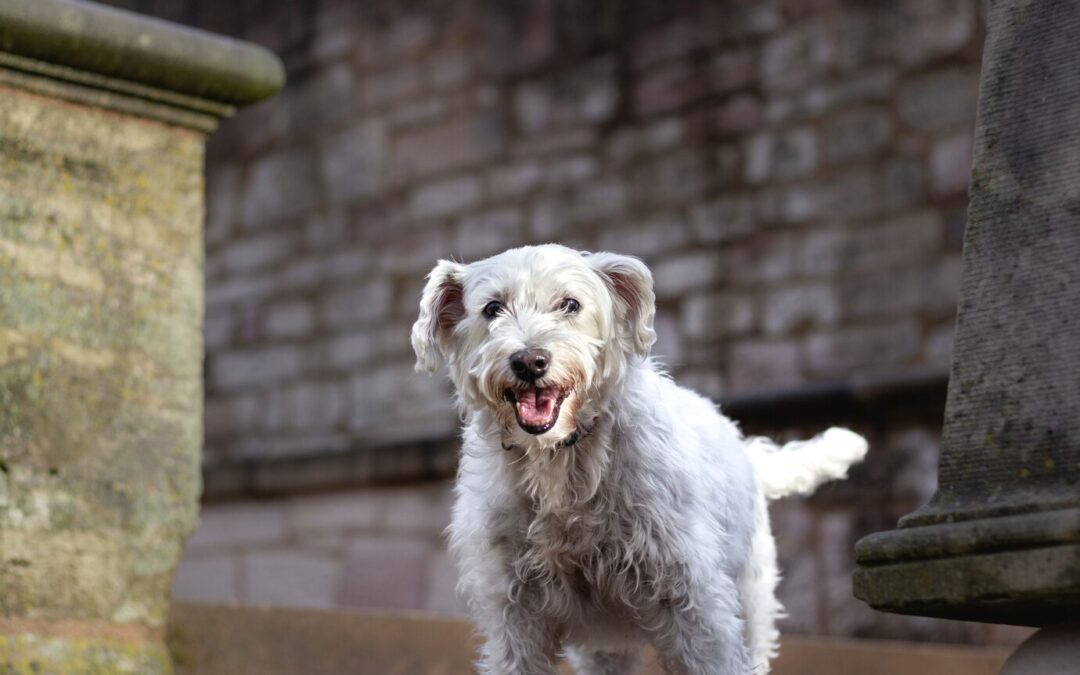
This depends entirely on your dog’s breed and coat type. A short-haired dog like a Labrador might only need brushing once or twice a week, while a long-haired breed like a Yorkshire Terrier needs daily brushing to prevent matting.
- Short-haired breeds: 1-2 times per week
- Long-haired breeds: Daily brushing is recommended
- Wire-haired breeds: Regular stripping or hand-stripping might be necessary
Always check with your vet or a professional groomer for breed-specific advice.
What Grooming Tools Do I Need?
You don’t need a whole grooming salon’s worth of equipment to start! Here are the basics:
- A good quality brush (choose one suited to your dog’s coat type)
- A comb (for removing tangles and mats)
- Nail clippers
- Dog shampoo and conditioner (choose a gentle, pH-balanced formula)
- Towels
As your dog gets used to grooming, you can gradually introduce more specialized tools.
How Do I Groom My Dog at Home?
Start slowly and make it a positive experience. Use treats and praise to reward good behavior. Begin by brushing your dog gently, working your way from their head to their tail. Pay close attention to areas prone to matting, such as behind the ears and under the legs. Bath time should be infrequent, unless your dog gets really muddy or smelly. Always use lukewarm water and a dog-specific shampoo.
Important Note: If you’re unsure about any aspect of grooming, especially nail trimming or dealing with mats, consult a professional groomer. They can show you the proper techniques and help avoid any accidental injuries.
When Should I Take My Dog to a Professional Groomer?
While home grooming is great for maintenance, there are times when a professional is necessary. If your dog has a particularly thick or complex coat, if they have matting you can’t manage, or if they need a haircut, a professional groomer is your best bet. They have the expertise and tools to handle any grooming challenge safely and effectively.
What are the signs of a problem that requires professional help?
- Excessive shedding or hair loss
- Persistent scratching or itching
- Redness or inflammation of the skin
- Lumps, bumps, or sores on the skin
- Unpleasant odor
- Inability to remove mats at home
Regular grooming is an investment in your dog’s health and happiness. By incorporating it into your routine, you’ll be showing your furry friend just how much you care!
“`












0 comentários