

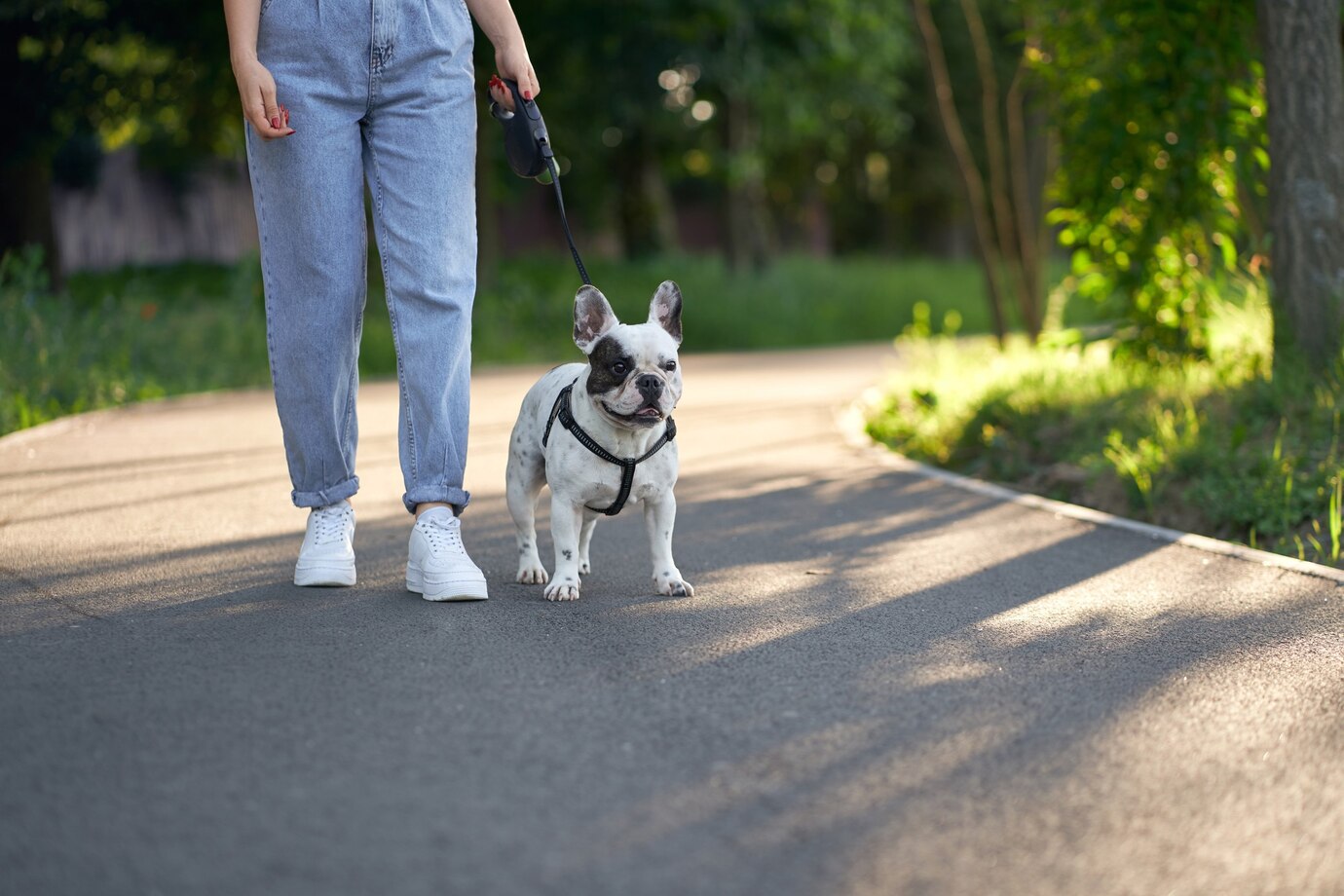
Getting Started: Puppy Leash Training
So, you’ve got a new furry friend and you’re ready to explore the world together! But before you hit the park, you’ll need to teach your pup the art of polite leash walking. It might seem daunting, but with patience and consistency, you’ll both be strolling like pros in no time. Let’s tackle some common questions.
What’s the best age to start leash training?
Ideally, you should start as early as possible, even before your puppy is fully vaccinated (but obviously only in your garden or other secure area, avoiding contact with other dogs). This early introduction helps them get used to the feeling of the leash and harness or collar. It also means that they’ll learn to walk with a leash early on, avoiding the possibility that the dog develops bad habits in their later life.
What kind of leash and collar/harness should I use?
For puppies, a lightweight harness is often the best choice. Harnesses distribute pressure more evenly, reducing the chance of neck injuries. Avoid retractable leashes, especially when starting out. A standard 4-6 foot leash gives you better control and helps you teach your dog to stay close.
How do I get my dog to walk nicely beside me?
- Start indoors: Get your pup used to wearing the harness or collar and leash inside before heading outside. Let them drag the leash around for a while to get comfortable with it. The leash will also act as a reward, and you can let your dog drag it around as a form of positive reinforcement.
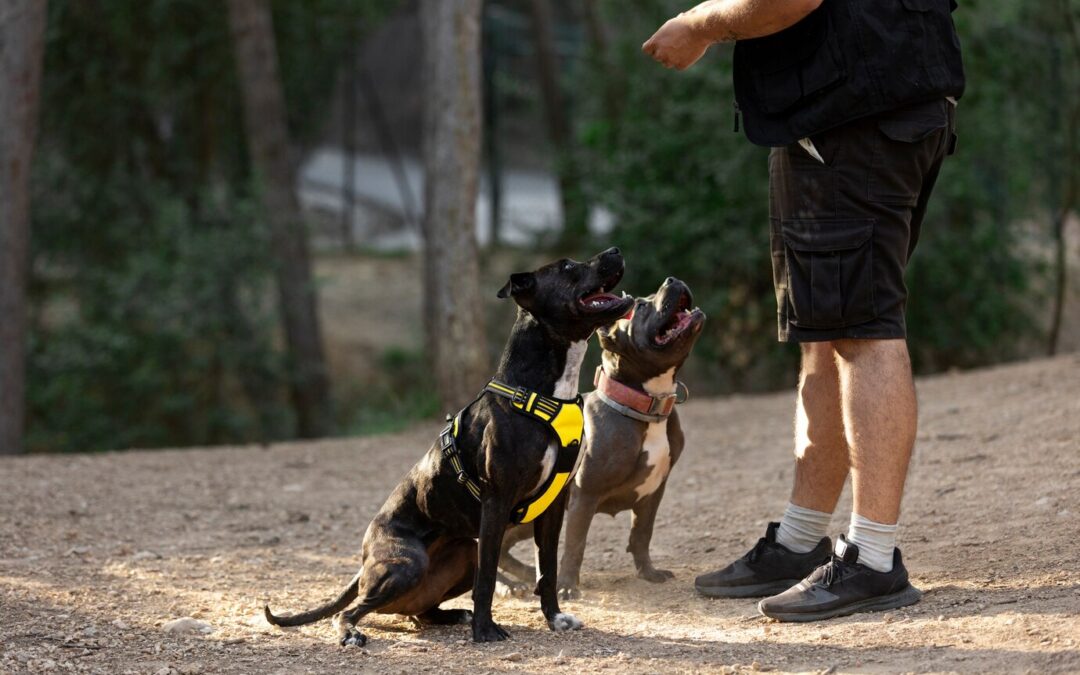
- Positive reinforcement: Use treats and praise generously! Every time your dog walks nicely by your side, even for a few steps, reward them immediately. This positive reinforcement helps them associate good walking behavior with pleasant experiences.
- Use a “heel” command (optional): While not essential for all dogs, teaching a “heel” command can help create a consistent walking pattern. This helps your dog learn to stay at your side at all times. Be aware that not all dogs are ready to learn this command immediately, as it is a higher-level training command. Some dogs prefer to be in the lead, which is fine, but may need to be adjusted as they get older.
- Address pulling: If your dog pulls, immediately stop walking and change direction. Pulling should mean an immediate cessation of walking for the dog. The dog will soon learn to associate pulling with stopping. You can also try using a gentle leader or other no-pull harness to discourage pulling.
- Keep training sessions short: Puppies have short attention spans. Keep your training sessions brief (5-10 minutes) and fun to maintain their interest.
My dog keeps pulling on the leash. What can I do?
Pulling is a common problem. Remember the tips above about stopping when your dog pulls and using positive reinforcement when they walk nicely. Consider a front-clip harness or head halter (used correctly) to gently redirect their pulling behavior. Consistency is key here – every pull needs a consistent response.
What if my dog is scared or reactive on leash?
If your dog is fearful or reactive to other dogs or people, you’ll need a more gradual approach. Consult a certified professional dog trainer or veterinary behaviorist. They can help you create a desensitization and counter-conditioning plan to address the underlying issues. Never force your dog into a situation that causes them anxiety or fear.
How long does it take to train a dog to walk nicely on a leash?
This varies greatly depending on the dog, their age, personality, and your training consistency. Some dogs pick it up quickly; others may take longer. Be patient, celebrate small victories, and remember that consistent, positive training is the key to success.









0 comentários