

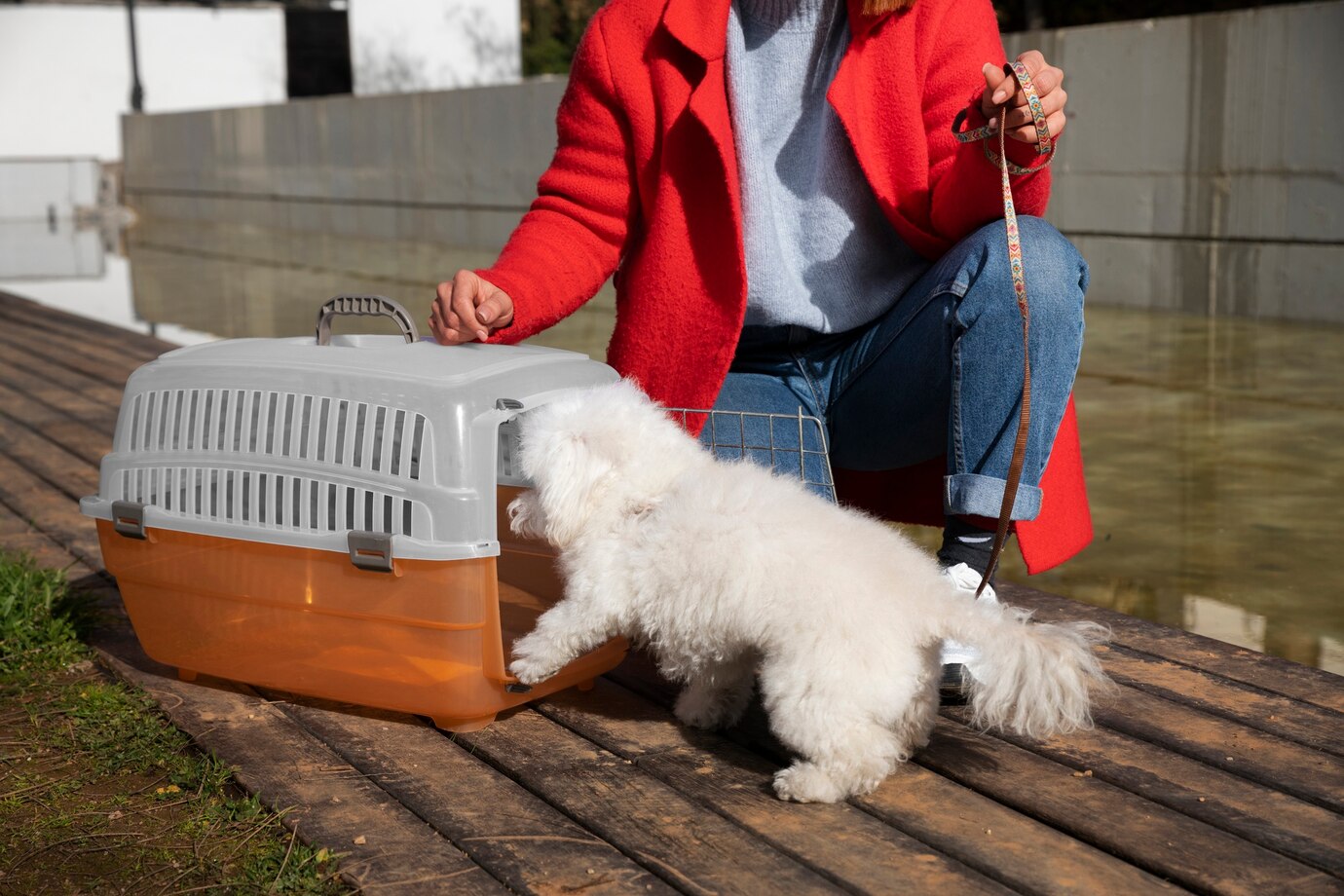
Crate Training: A Happy Home for Your Furry Friend
So, you’re thinking about crate training your new pup (or even your adult dog!)? It might sound a little harsh at first, but trust me, crate training is one of the best things you can do for your dog’s well-being and your sanity. It’s not about locking your dog away; it’s about creating a safe, den-like space where they feel secure and comfortable. Think of it as their own personal apartment!
Why Crate Train?
Lots of people are hesitant, but the benefits really outweigh any concerns. Here’s why crate training is so valuable:
- House Training: Dogs don’t like to soil their sleeping areas. The crate helps them learn to hold it until they can go outside.
- Safety and Security: A crate provides a safe haven, especially useful when you have young children or other pets around. It’s also a secure place during storms or other stressful events.
- Prevention of Destructive Behavior: When dogs are bored or anxious, they may chew furniture or dig. A crate provides a safe space to prevent these behaviors.
- Travel: Crates are essential for safe and comfortable transportation.
- Confidence Building: A properly introduced crate can become a place your dog loves to retreat to, enhancing their confidence and sense of security.
Choosing the Right Crate
Selecting the right crate is key! You want something that’s:
- The right size: Your dog should be able to stand up, turn around, and lie down comfortably. Avoid a crate that’s too big, as they may use one corner for elimination.
- Well-ventilated: Proper ventilation is crucial to keep your dog cool and comfortable.
- Durable and safe: Look for a crate made of sturdy materials, with secure latches.
Best Practices for Crate Training
Success with crate training hinges on positive reinforcement. Here’s how to do it right:
- Introduce the crate positively: Make it a fun place! Put treats, toys, and a comfy bed inside. Let your dog explore it at their own pace.
- Start with short periods: Begin with just a few minutes at a time, gradually increasing the duration as your dog becomes more comfortable.
- Never use the crate as punishment: This will create negative associations with the crate, undermining the entire process.
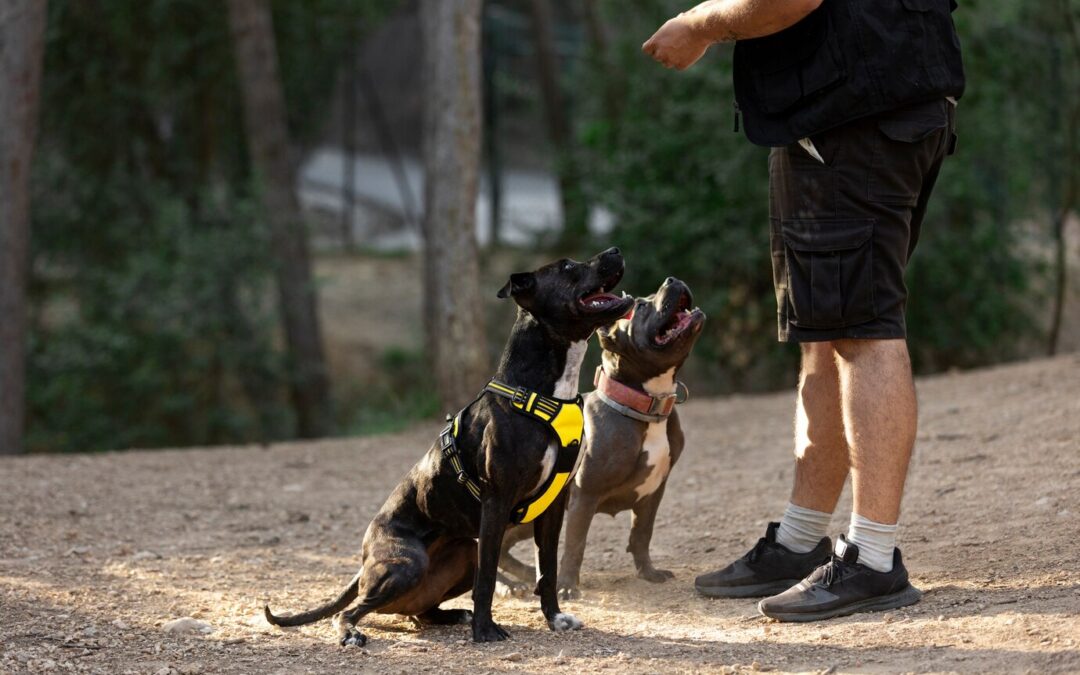
- Supervise your dog: Keep a close eye on your dog, especially in the early stages. Reward calm behavior inside the crate with praise and treats.
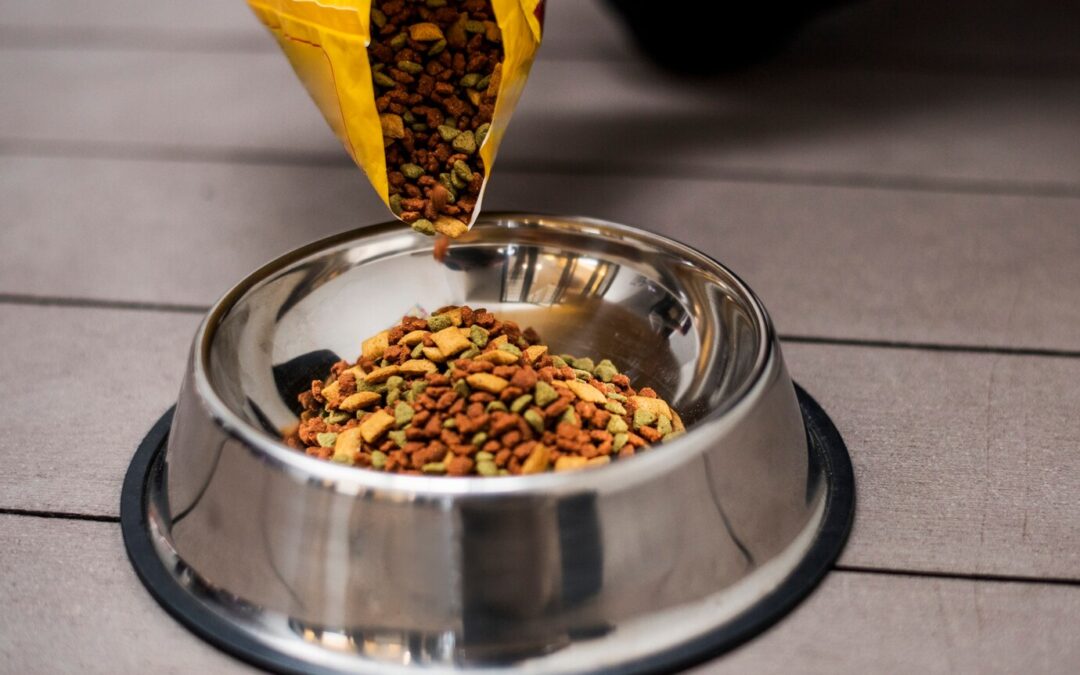
- Feed meals in the crate: This will create a positive association with their crate.
- Be patient and consistent: Crate training takes time and consistency. Don’t get discouraged if it doesn’t happen overnight. Every dog learns at its own pace.
When to Seek Professional Help
If you’re struggling with crate training, don’t hesitate to reach out to a certified professional dog trainer or veterinarian. They can provide personalized guidance and address any underlying issues that may be affecting your dog’s progress.
Remember, a happy, well-adjusted dog is a well-crated dog! With patience and positive reinforcement, you and your furry friend will enjoy the many benefits of crate training.










0 comentários