

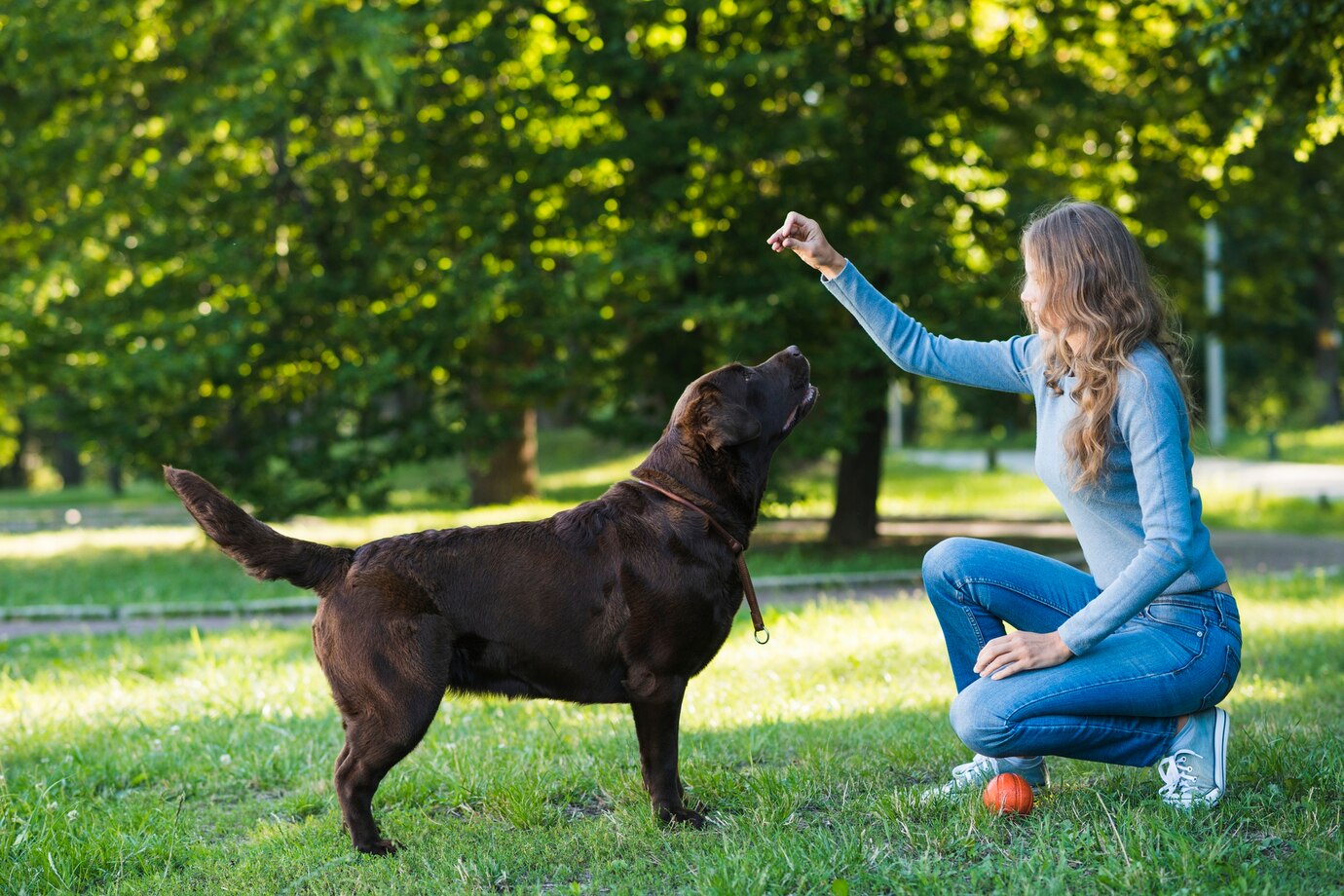
Getting Started: Your Journey to Obedience Trials
So, you want to compete in obedience trials with your dog? That’s fantastic! It’s a rewarding experience that strengthens your bond and showcases your dog’s amazing abilities. But where do you even begin? Don’t worry, we’ll break it down step-by-step. It’s all about consistent training, positive reinforcement, and a whole lot of patience.
Choosing the Right Breed (or Not!)
Many people assume you need a specific breed for obedience competition. While some breeds are naturally predisposed to certain tasks, any dog, regardless of breed, can succeed with proper training. A high-energy Border Collie might be easier to teach complex heeling patterns, but a patient Golden Retriever can excel with equally impressive results. The most important factor is your dog’s temperament and your commitment to training.
Building a Solid Foundation: Basic Obedience
Before diving into the more advanced exercises required for trials, focus on the fundamentals. This is where consistent training truly pays off.
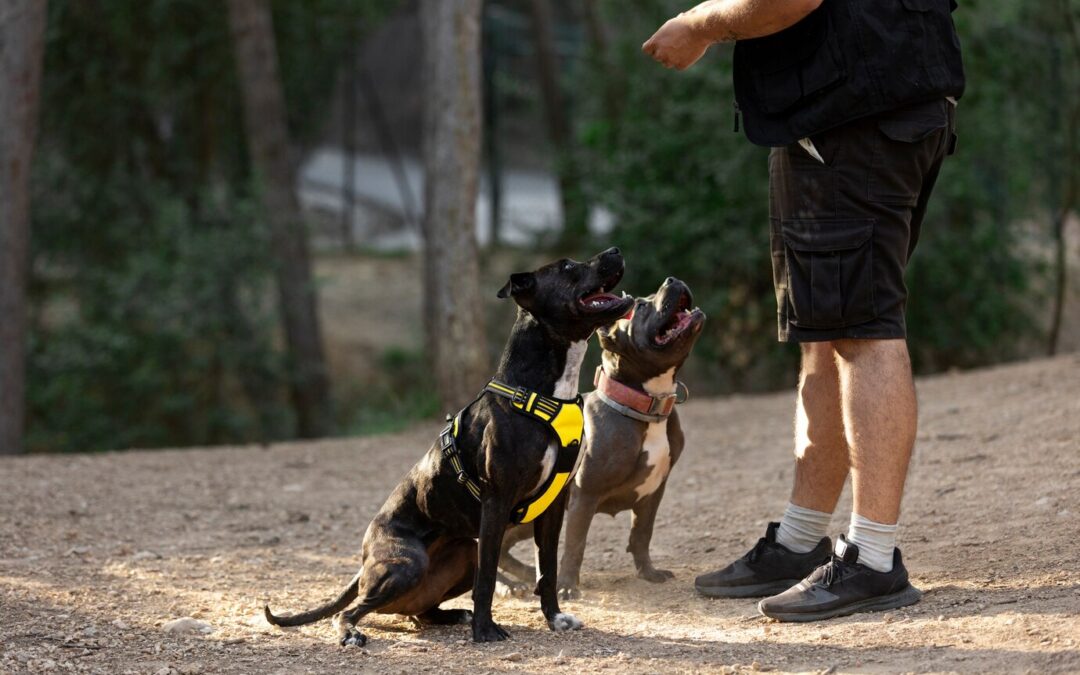
- Sit/Stay: Mastering a reliable sit and stay is crucial. Start with short durations and gradually increase the time and distance.
- Down/Stay: Similar to sit/stay, but requires more control and patience. Use enticing rewards to keep your dog engaged.
- Come: This is a life-saving command! Ensure your dog reliably returns when called, even with distractions.
- Heel: This requires consistent practice and positive reinforcement to maintain a loose-leash heel position.
Stepping Up Your Game: Advanced Obedience
Once basic obedience is solid, you can introduce more advanced exercises typically seen in competitions:
- Retrieving: Teach your dog to fetch different objects on command and return them to you.
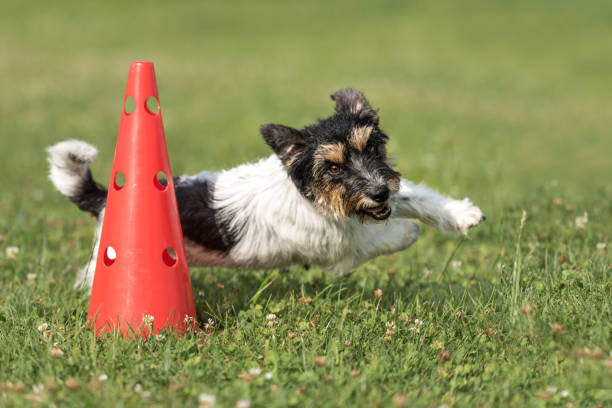
- Jumping: Start with low jumps and gradually increase the height. Focus on proper technique to avoid injuries.
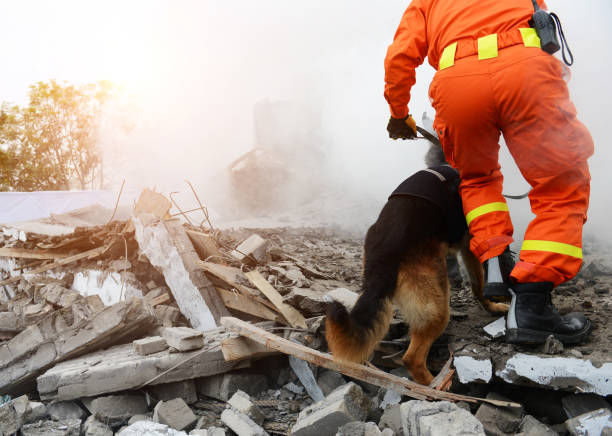
- Scent Work: This can be a very engaging activity and a fantastic skill to add to your repertoire.
Finding a Qualified Trainer
Consider enrolling in obedience classes with a certified professional dog trainer. A good trainer can provide personalized guidance, correct any bad habits early on, and offer valuable feedback.
Practice Makes Perfect: Consistency is Key
Regular, short training sessions are far more effective than infrequent, long ones. Aim for several short sessions per day, focusing on one or two specific commands at a time.
Competition Day: Staying Calm and Confident
On the day of the competition, remain calm and supportive. Your dog will feed off your energy. If your dog makes a mistake, don’t get upset. Simply correct and move on. Remember, it’s all about the journey and the bond you build with your canine companion. Enjoy the experience!






0 comentários