

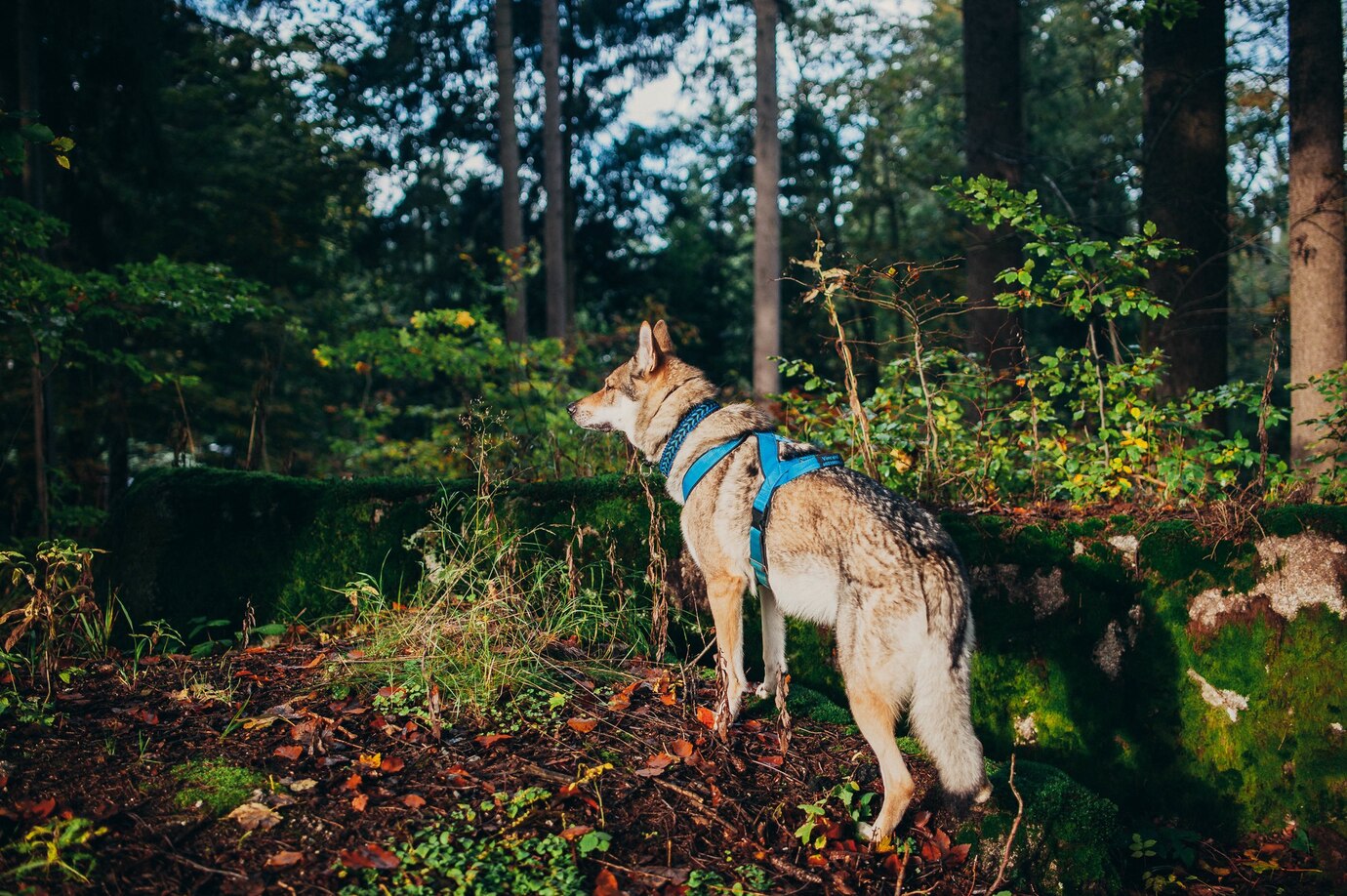

Dogs have long been valued for their loyalty, companionship, and specialized working abilities. However, over the past decade, their role has expanded into new territories, including wildlife conservation. Through scent detection and tracking, dogs are now crucial allies in protecting endangered species, identifying invasive species, and monitoring ecosystems.
Dogs in Wildlife Conservation: A Growing Field
One of the most remarkable uses of dogs in conservation has been their ability to track endangered species in remote or difficult-to-reach areas. For instance, in the Amazon rainforest, conservationists have trained dogs to help locate jaguars and other elusive big cats, which are otherwise challenging to track using traditional methods. These dogs are trained to identify the distinct scent of a specific species, aiding scientists in monitoring populations and assessing habitat conditions.
-
In addition to their role in tracking, dogs are being used to detect invasive species, such as the New Zealand green-lipped mussel or non-native plants that threaten local biodiversity. In these cases, dogs are trained to sniff out the presence of harmful species, allowing conservationists to act before an invasion spreads too far.
Case Studies: How Dogs Are Changing Conservation
One example of a successful canine conservation program is the use of detection dogs in Yellowstone National Park. These dogs are tasked with sniffing out wolf carcasses, helping biologists gather data on the health of the park’s wolf population. Similarly, in Africa, dogs have been instrumental in detecting the presence of rhino poachers, saving the lives of endangered rhinos by alerting park rangers to illegal activities.
In the United Kingdom, detection dogs have been used to track the movements of rare birds like the capercaillie, a species of grouse. By identifying where these birds nest, scientists can better protect their habitats and prevent human activities, like logging or construction, from disturbing them.
The Science Behind Canine Detection
The dog’s sense of smell is incredibly powerful, with up to 300 million olfactory receptors in their noses compared to the 5-6 million in humans. This heightened sense allows dogs to detect traces of chemicals or biological markers that humans cannot perceive, which is why they are used in various types of detection, from drug smuggling to locating landmines. In conservation, this same skill is employed to track species or detect threats to ecosystems.
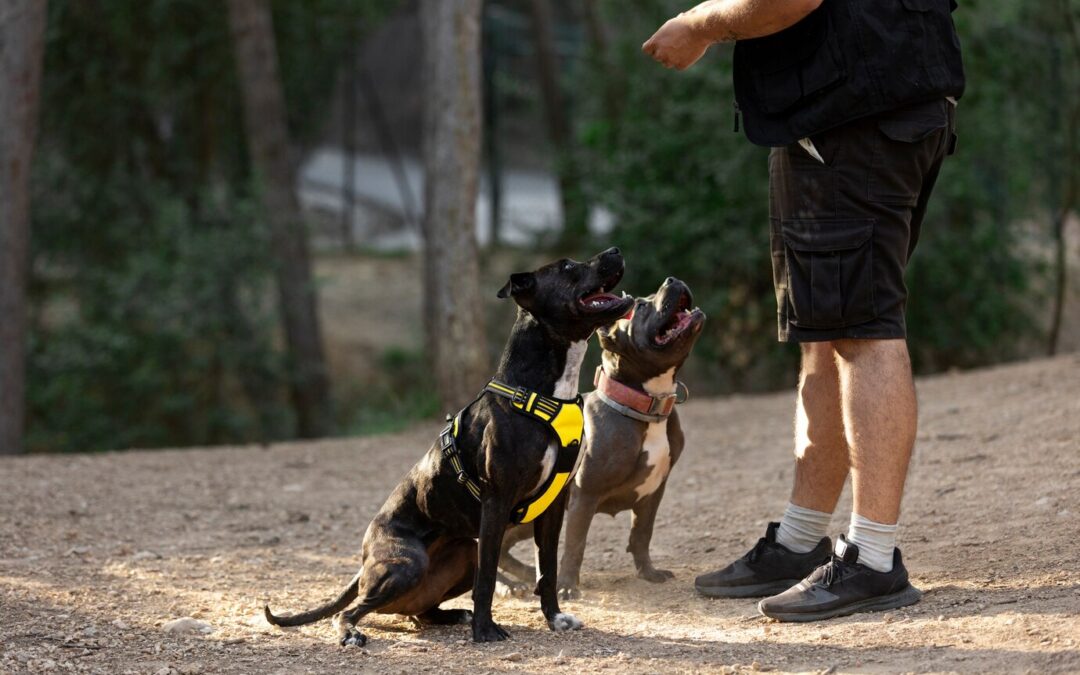
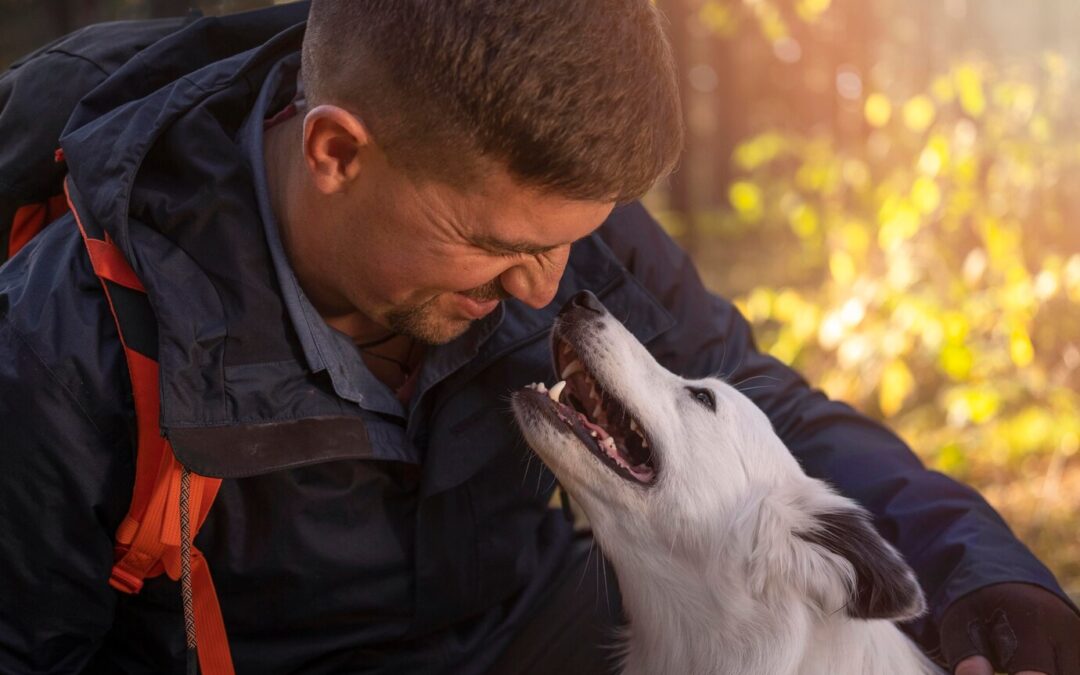
Dogs’ contributions to conservation have led to the development of a new breed of professionals: conservation detection dog handlers. These individuals work alongside trained dogs in the field, ensuring that the dogs’ skills are used effectively to gather data that would otherwise be difficult or impossible to collect.
Challenges and Ethical Considerations
Despite the many successes, there are challenges in integrating dogs into conservation programs. The first concern is the physical demands placed on working dogs, as fieldwork in remote areas can be strenuous. Conservationists must also consider the welfare of the dogs, ensuring they are well cared for and not overworked.
Another ethical consideration is the potential impact of using dogs in areas with fragile ecosystems. The presence of dogs could disturb local wildlife, and conservationists must balance the benefits of detection with the need to minimize any negative effects on the environment.

-
Future Prospects for Dogs in Conservation
Looking ahead, the role of dogs in conservation is expected to expand. As climate change continues to affect ecosystems, the need for rapid and efficient monitoring will increase. Dogs, with their exceptional detection skills, will play a crucial role in these efforts, providing invaluable data that could help mitigate environmental damage and preserve biodiversity for future generations.












0 Comments