

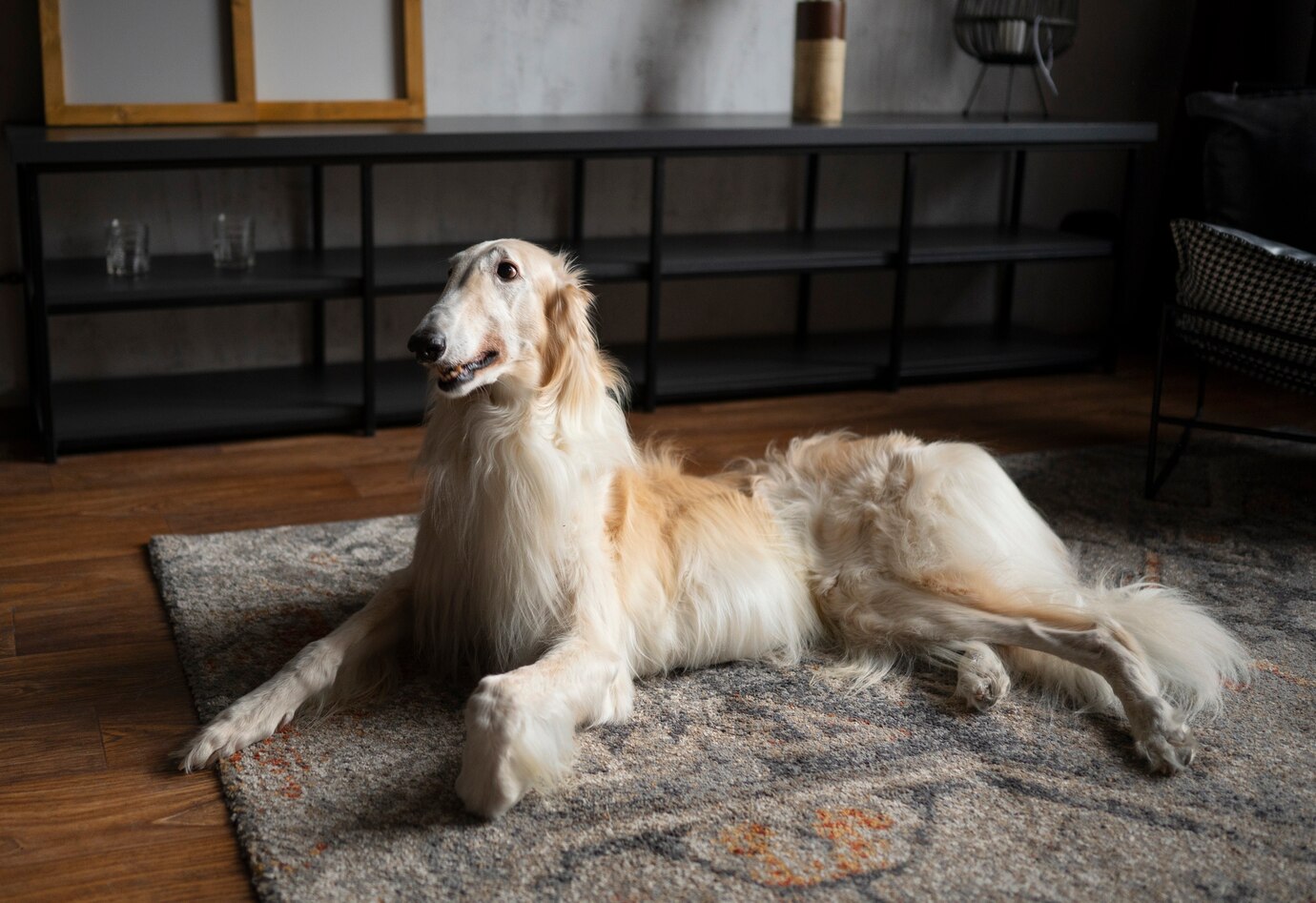
Long Hair, Don’t Care (Well, Maybe a Little!)
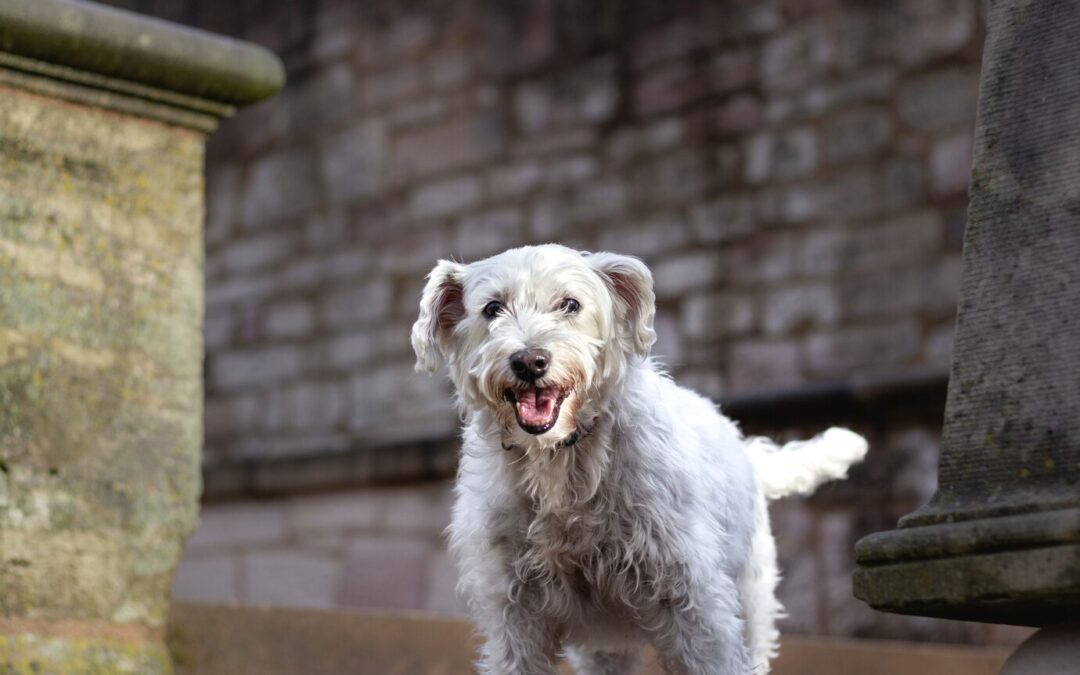
So, you’ve got a gorgeous, fluffy dog with a magnificent mane. Congratulations! But that luscious coat comes with responsibility. Long-haired dogs need regular grooming, or you’ll be dealing with mats, tangles, and a generally unhappy pup. Let’s tackle some common questions and get your furry friend looking and feeling their best.
How Often Should I Brush My Long-Haired Dog?
Ideally, you should brush your long-haired dog daily. I know, it sounds like a lot, but it’s much easier to prevent mats than to remove them. Think of it as a bonding experience – plus, you’ll be able to spot any skin issues early on. If you can only manage a few times a week, make sure it’s thorough!
What Kind of Brush Should I Use?
This depends on your dog’s coat type. Some dogs might benefit from a combination of brushes. You might need:
- Undercoat rake: For removing dead undercoat, especially important during shedding season.
- Slicker brush: Great for removing tangles and loose hair from the outer coat.
- Wide-tooth comb: Ideal for gently detangling mats and knots (always work from the ends towards the roots).
- Pin brush: Good for smoothing and finishing the coat.
Your vet or a professional groomer can help you choose the right tools for your dog’s specific needs.
My Dog Has Mats! Help!
Mats are a common problem for long-haired dogs, and they can be painful. If they’re small and not too tight, you might be able to gently work them out with your fingers and a dematting tool. However, if the mats are large or tight, don’t try to force them out. This can cause pain and even injury to your dog’s skin. It’s best to take your dog to a professional groomer to have them safely removed.
How Often Should My Dog Get a Professional Groom?
This depends on your dog’s breed and coat type, but generally, long-haired dogs benefit from professional grooming every 4-6 weeks. A groomer can handle things like bathing, trimming, nail clipping, and ear cleaning – tasks that are often challenging to do at home, especially for less experienced owners. They are also trained to spot potential health problems.
Bathing My Long-Haired Dog: Tips and Tricks
Use a dog-specific shampoo and conditioner – human products can be too harsh on their skin. Make sure to rinse thoroughly to avoid skin irritation. Consider using a detangling conditioner to make brushing easier after the bath. If you’re unsure, let the professionals handle this.
Beyond Brushing: Other Grooming Essentials
Don’t forget about:
- Nail trimming: Keep those nails short to prevent discomfort and overgrowth.
- Ear cleaning: Check your dog’s ears regularly and clean them gently as needed.
- Dental care: Regular brushing helps prevent dental disease.
Grooming your long-haired dog takes time and dedication, but the rewards are well worth it. A well-groomed dog is a happy and healthy dog. Remember, if you’re ever unsure about any aspect of grooming, consult your vet or a professional groomer for advice.











0 Comments