

Is My Dog Overweight?
Let’s face it, those puppy-dog eyes can be hard to resist, especially when they’re begging for extra treats. But keeping your furry friend at a healthy weight is crucial for their overall well-being. So, how do you know if your dog is carrying extra pounds? The easiest way isn’t by just looking at them; instead, try the “rib test.” Feel along your dog’s sides. You should be able to easily feel their ribs without having to press hard. If you can’t feel them easily, or if there’s a significant layer of fat covering them, it’s a good indication they need to slim down. Another clue? A noticeable paunch or difficulty seeing their waistline.
Why is Weight Management Important?
Maintaining a healthy weight for your dog isn’t just about aesthetics. Being overweight or obese puts your dog at risk for several serious health problems. These can include:
- Diabetes: Excess weight puts strain on the pancreas.
- Joint problems: Extra weight puts pressure on their joints, leading to arthritis and other painful conditions.
- Heart disease: Obesity strains the heart.
- Respiratory issues: Extra weight can make breathing difficult.
- Certain cancers: Studies suggest a link between obesity and an increased risk of some cancers.
Keeping your dog at a healthy weight significantly reduces their risk of developing these conditions, leading to a longer, happier, and healthier life together.
How Can I Help My Dog Lose Weight?
Losing weight for your canine companion is a gradual process that requires patience and consistency. Here are some key steps:
1. Portion Control:
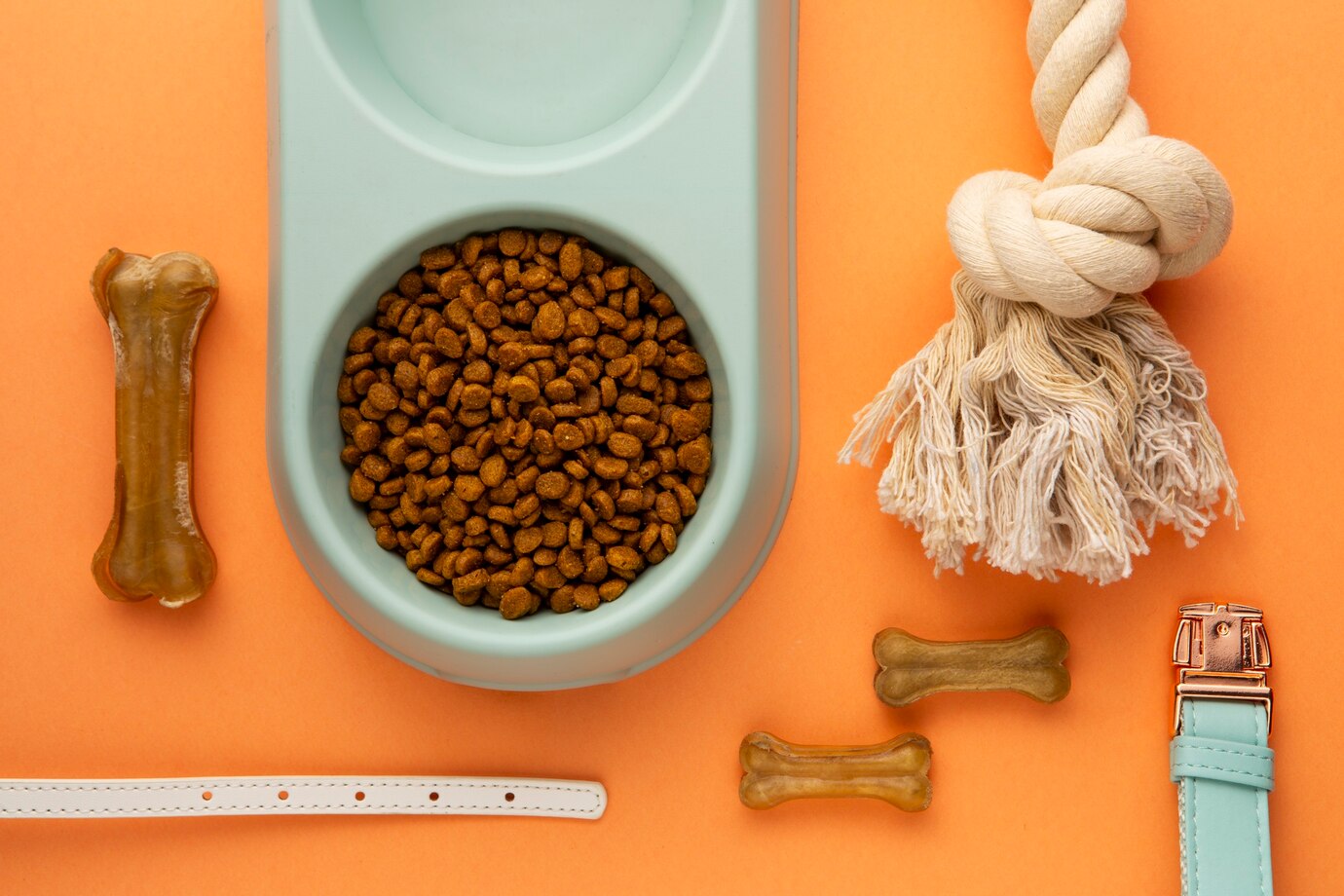
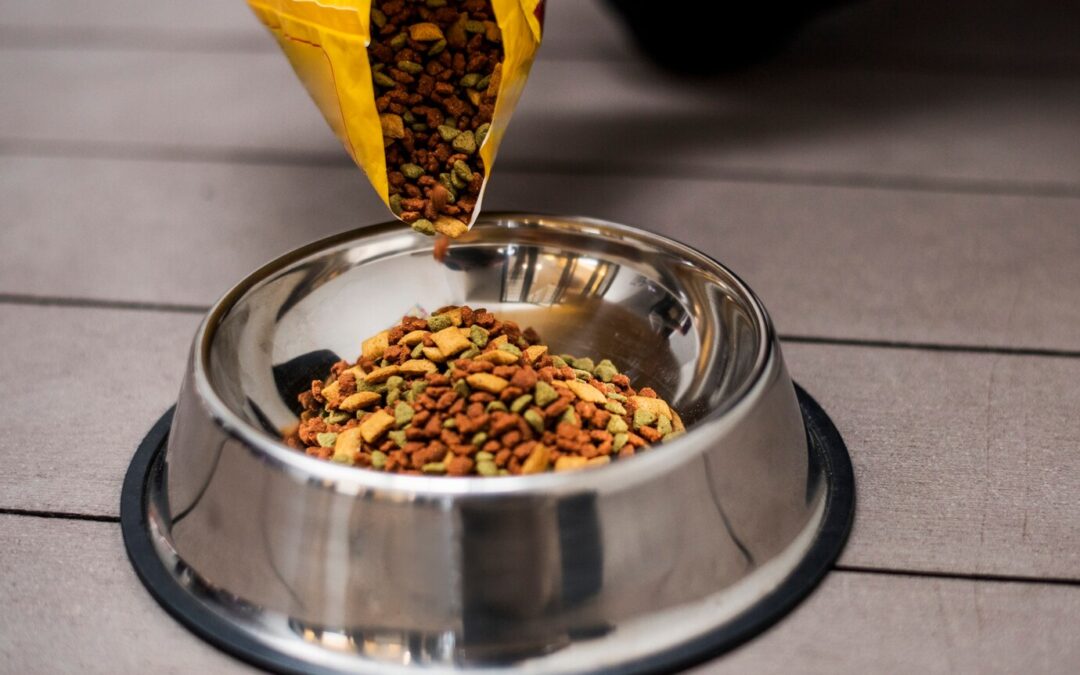
Carefully measure your dog’s food. Use a measuring cup instead of eyeballing portions. Consult your veterinarian or a veterinary nutritionist to determine the appropriate caloric intake based on your dog’s breed, age, activity level, and current weight.
2. Increase Exercise:
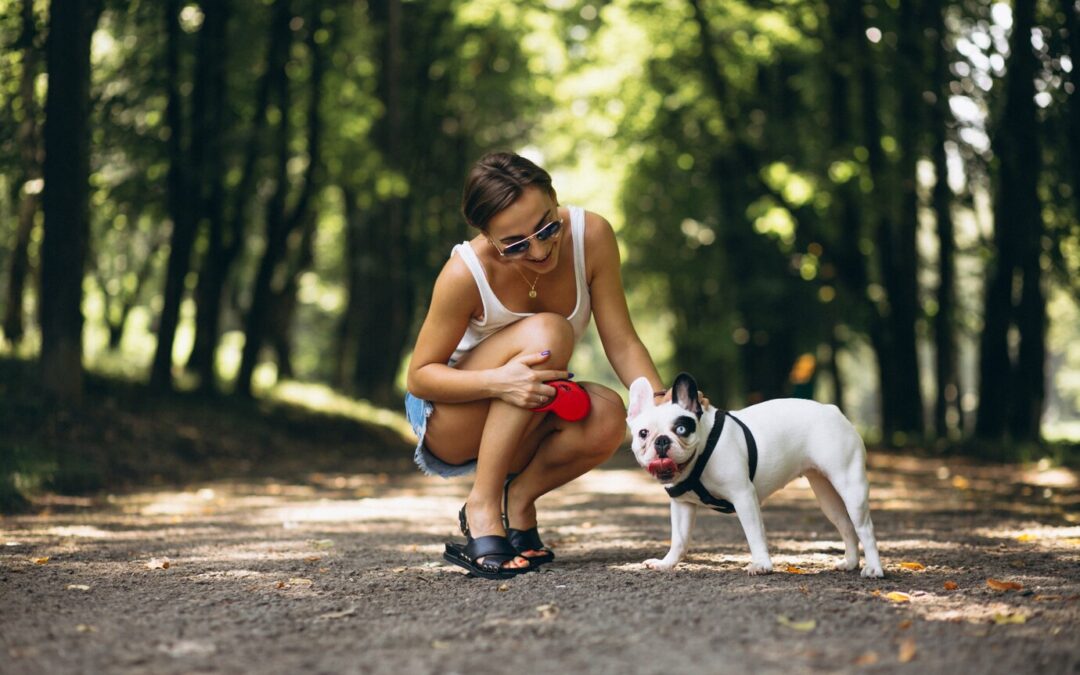
Regular exercise is vital. Daily walks, playtime in the park, or even a good game of fetch can make a big difference. The amount of exercise will depend on your dog’s breed and health, so consult your vet if you have concerns.
3. Healthy Treats:
Limit treats to a small percentage of their daily caloric intake. Choose low-calorie, healthy options like small pieces of carrot or green beans. Remember, even small treats add up!
4. Veterinary Check-up:
Before starting any weight loss program, schedule a check-up with your veterinarian. They can help determine if any underlying health conditions are contributing to your dog’s weight and recommend a safe and effective weight-loss plan.
5. Be Patient & Consistent:
Weight loss takes time. Don’t get discouraged if you don’t see results immediately. Stick to your plan, and celebrate the small victories along the way. Remember, it’s a journey, not a race!
What Foods Should I Avoid?
Some foods are simply not suitable for dogs, and others should be given sparingly. Avoid:
- High-fat foods: This includes table scraps like fatty meats, cheese, and processed foods.
- Sugary foods and drinks: These are empty calories that offer no nutritional value.
- Chocolate: This is toxic to dogs.
- Grapes and raisins: These can cause kidney failure.
- Onions and garlic: These can damage red blood cells.
By following these guidelines and working closely with your veterinarian, you can help your dog achieve and maintain a healthy weight, ensuring a long and happy life together.







0 comentarios