


“`html
So, you want to keep your furry friend looking and feeling their best? Grooming isn’t just about making your dog look pretty; it’s a crucial part of their overall health and well-being. Regular grooming helps prevent matting, skin infections, and even some serious health issues. But where do you start? Let’s dive into some common questions and get you on the path to happy, healthy grooming!
How Often Should I Groom My Dog?
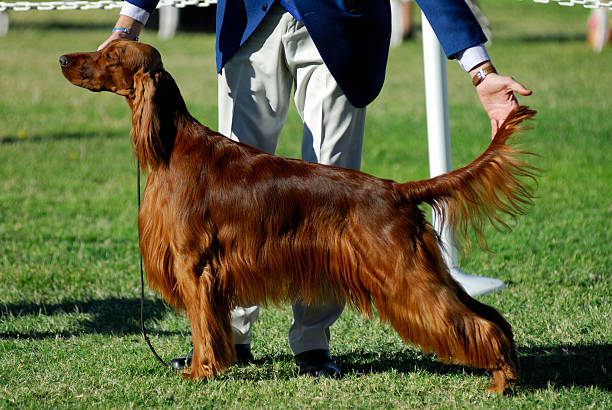
This depends a lot on your dog’s breed and coat type. Long-haired breeds like Yorkshire Terriers or Afghan Hounds need much more frequent grooming – often daily brushing to prevent mats. Shorthaired breeds like Labradors or Boxers might only need a weekly brush. Always check with your vet or a professional groomer for breed-specific advice.
What Grooming Tools Do I Need?
You don’t need a mountain of expensive tools to get started. A good basic kit includes:
- A slicker brush: Great for removing loose fur and tangles.
- An undercoat rake: Excellent for breeds with double coats, helping to remove excess undercoat.
- A wide-toothed comb: Useful for detangling and checking for skin issues.
- Dog-specific shampoo and conditioner: Avoid human products, as they can be harsh on their skin.
- Nail clippers: Essential for keeping nails at a healthy length.
- A soft towel: For drying after a bath.
As you become more experienced, you can add specialized tools like de-shedding tools or even a professional-grade dryer.
How Do I Brush My Dog?
Start by gently brushing in the direction of hair growth. Pay close attention to areas prone to matting, such as behind the ears, under the legs, and around the tail. If you encounter a mat, try gently working it out with your fingers or a de-matting tool. If it’s severely matted, it’s best to consult a professional groomer to avoid hurting your dog.
How Often Should I Bathe My Dog?
Over-bathing can strip your dog’s coat of its natural oils, leading to dry skin and irritation. Most dogs only need a bath every 4-8 weeks, or as needed if they get particularly dirty. Always use a dog-specific shampoo and conditioner, and rinse thoroughly to avoid skin irritation.
What About Nail Trimming?
Keeping your dog’s nails trimmed is crucial for their comfort and joint health. Long nails can cause discomfort, lead to overgrown nails, and even change gait. If you’re unsure how to trim your dog’s nails safely, ask your vet or a professional groomer to show you the correct technique. Cutting into the quick (the pink part of the nail containing nerves and blood vessels) can be painful and cause bleeding, so it’s better to start slowly and only trim a small amount at a time.
When Should I See a Professional Groomer?
Even if you’re comfortable with basic grooming, it’s a good idea to take your dog to a professional groomer periodically for a thorough grooming. They can handle more complex tasks like trimming, styling, and dealing with severe matting. Professional groomers can also identify potential skin problems early on.
Remember, regular grooming is a loving act that strengthens your bond with your dog and helps them stay healthy and happy. Enjoy the process, and don’t hesitate to ask your veterinarian or a professional groomer for advice tailored to your dog’s specific needs!
“`



















0 comentarios