

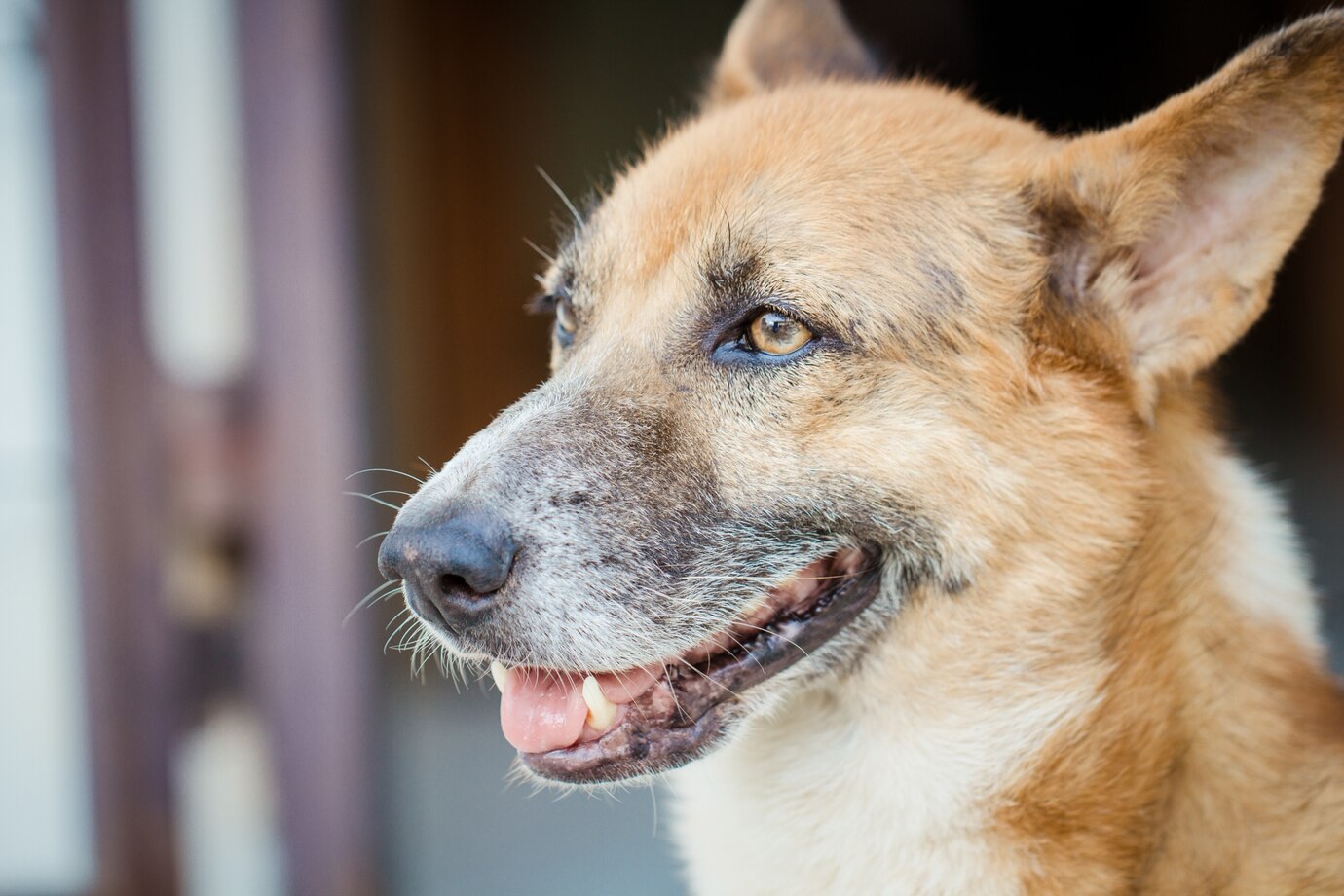
Training Tips for Older Dogs
So, you’ve got a senior dog, and you’re wondering about training? It’s never too late to teach an old dog new tricks (or reinforce the good ones!), but it does require a slightly different approach. Many people assume older dogs are too set in their ways, but that’s simply not true. With patience, understanding, and the right techniques, you can still achieve amazing results.
Is it Really Possible to Train an Older Dog?
Absolutely! While older dogs may learn at a slower pace than puppies, their maturity often makes them easier to train in some ways. They tend to be calmer and more focused, which can be a real advantage. Just remember to be patient and adjust your expectations.
What are the Key Differences in Training Older Dogs?
The main difference lies in the intensity and duration of training sessions. Keep sessions short and sweet – think 5-10 minutes at a time, several times a day, rather than one long session. Older dogs can tire easily, both physically and mentally.
- Shorter Sessions: Multiple short sessions are better than one long one.
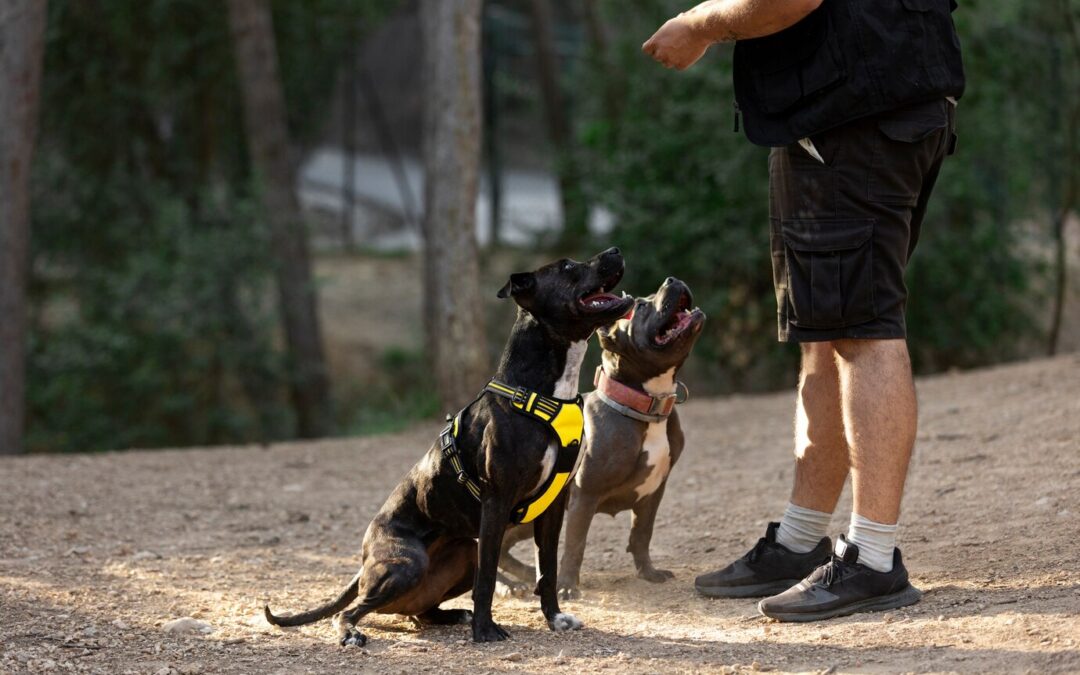
- Positive Reinforcement: Focus on rewards and praise – treats, praise, and favorite toys are key motivators.
- Patience and Understanding: Be aware that they may pick things up slower.
- Consider Physical Limitations: Adjust exercises to accommodate any arthritis or other age-related issues.
What Kind of Training Works Best?
Positive reinforcement is the gold standard for all dog training, but it’s especially important for older dogs. Harsh methods are counterproductive and can damage your relationship. Focus on rewarding desired behaviors with high-value treats, praise, and even a favorite toy. If your dog is struggling, don’t push it – end the session and try again later.
Common Challenges and Solutions
Older dogs may face some specific challenges:
- Cognitive Decline: Some senior dogs experience cognitive dysfunction similar to dementia in humans. This can affect their learning ability. If you suspect this, consult your veterinarian. They may suggest supplements or other strategies to support your dog’s cognitive function.
- Physical Limitations: Arthritis and other age-related conditions can make it difficult for your dog to perform certain exercises. Modify the exercises to fit your dog’s abilities. For example, instead of long walks, opt for shorter, more frequent walks.
- Stubbornness: Some older dogs can be set in their ways. This isn’t necessarily defiance; it could be a result of age or discomfort. Patience and positive reinforcement are key to overcoming this.
Remember to Consult Your Vet
Before starting any new training program, it’s always a good idea to consult your veterinarian, especially with senior dogs. They can rule out any underlying health issues that could be affecting your dog’s behavior or ability to learn.
Training your older dog might require more patience and a gentler approach, but the rewards are immeasurable. The bond you share will strengthen, and you’ll both enjoy the enriching experience of learning together. Remember to celebrate even the smallest successes!








0 comentarios