


Getting Your Dog Ready for the World: A Guide to Socialization
So, you’ve got a new furry friend, and you’re ready for adventures! But before you hit the dog park, it’s crucial to make sure your pup is well-socialized. A well-socialized dog is a happy dog, and a happy dog is a well-behaved dog. It’s all about setting them up for success!
What Exactly is Dog Socialization?
Dog socialization isn’t just about letting your dog play with other dogs. It’s a much broader concept encompassing exposure to a wide variety of sights, sounds, smells, people, and experiences in a positive and controlled manner. This helps them develop into confident and well-adjusted adults.
When Should I Start Socializing My Puppy?
The ideal time to begin socializing your puppy is between 3 and 14 weeks old. This is often referred to as the “critical socialization period.” However, it’s never too late to work on socialization, even with an older dog, though it might require more patience and a different approach. Early socialization is crucial for avoiding fear-based aggression and anxiety later in life.
How Do I Socialize My Dog Safely and Effectively?
Here’s a breakdown of key steps:
- Controlled Introductions: Start with short, supervised interactions with other friendly dogs. Always ensure both dogs are calm and comfortable before letting them interact. Avoid overwhelming your dog with too much stimulation at once.
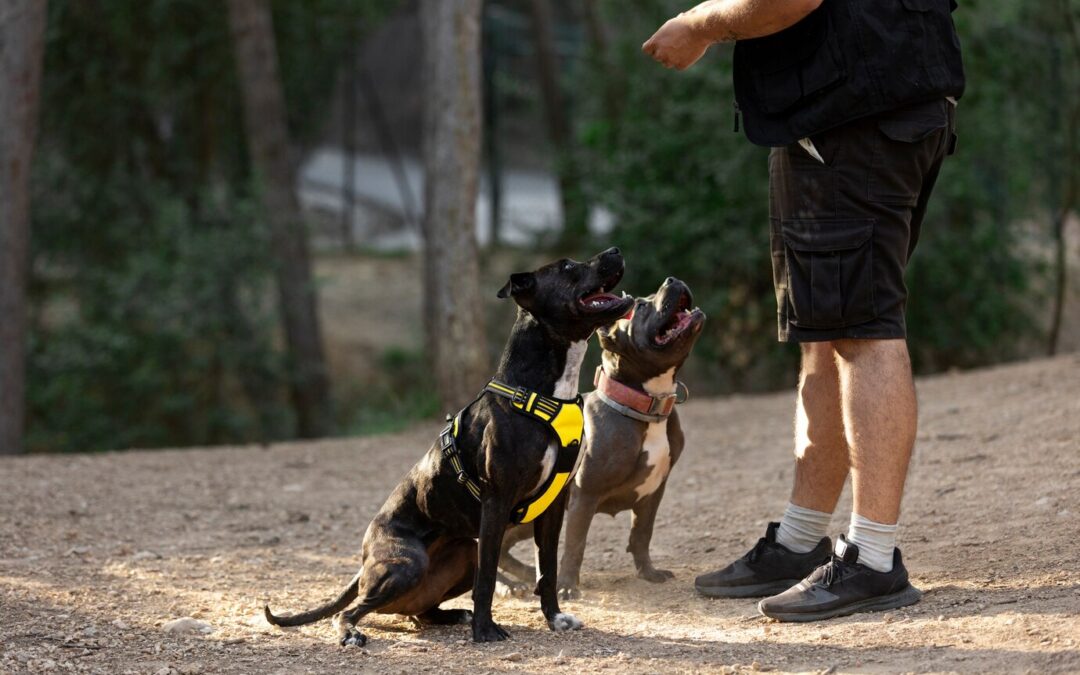
- Positive Reinforcement: Use treats, praise, and toys to reward your dog for calm behavior around other dogs and people. This creates positive associations with these experiences.
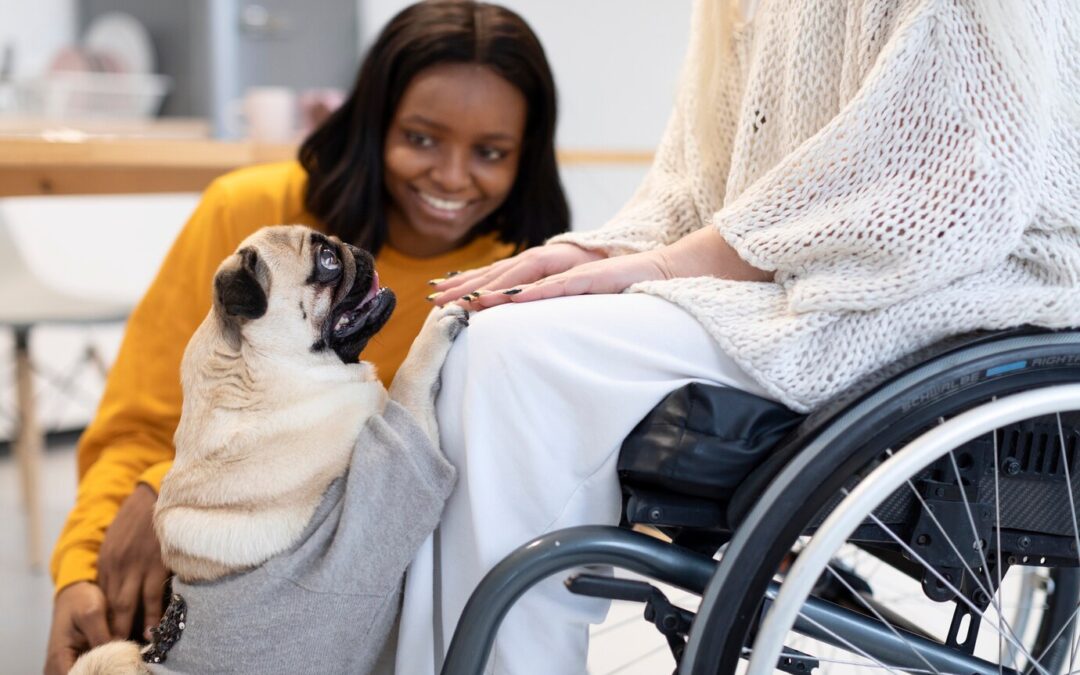
- Variety is Key: Expose your dog to various environments, including different types of surfaces (grass, pavement, etc.), sounds (traffic, crowds), and people (men, women, children, people with hats or wheelchairs).
- Puppy Classes: Enrolling in a puppy socialization class is a fantastic way to introduce your pup to other dogs in a safe, controlled setting, and learn more about handling and behavior from professionals.
- Respect Your Dog’s Limits: If your dog shows signs of stress (e.g., yawning, lip licking, whale eye), give them a break and remove them from the situation. Pushing them too far can backfire.
What if My Dog is Fearful or Aggressive?
If your dog displays fear or aggression, don’t despair! It’s important to seek professional help from a certified dog trainer or veterinary behaviorist. They can assess your dog’s behavior and create a customized plan to address the underlying issues. Remember, patience and consistency are key.
Socialization is an Ongoing Process
Socialization isn’t a one-time event; it’s an ongoing process throughout your dog’s life. Continue exposing your dog to new experiences and people, always ensuring positive interactions. This will help maintain their confidence and ensure a well-adjusted companion for years to come.













0 comentarios