

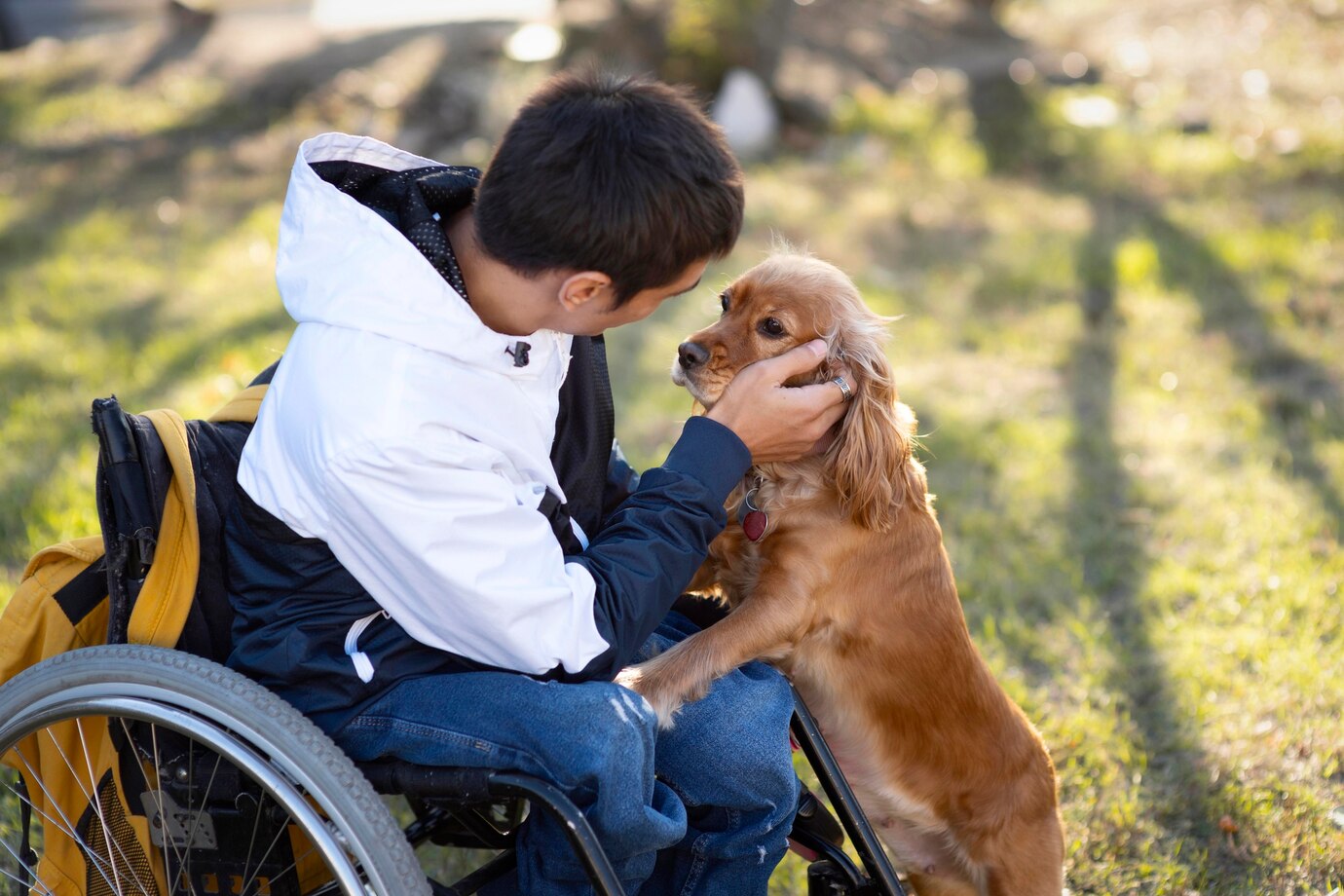
Frequently Asked Questions about Service Dogs and Children with Special Needs
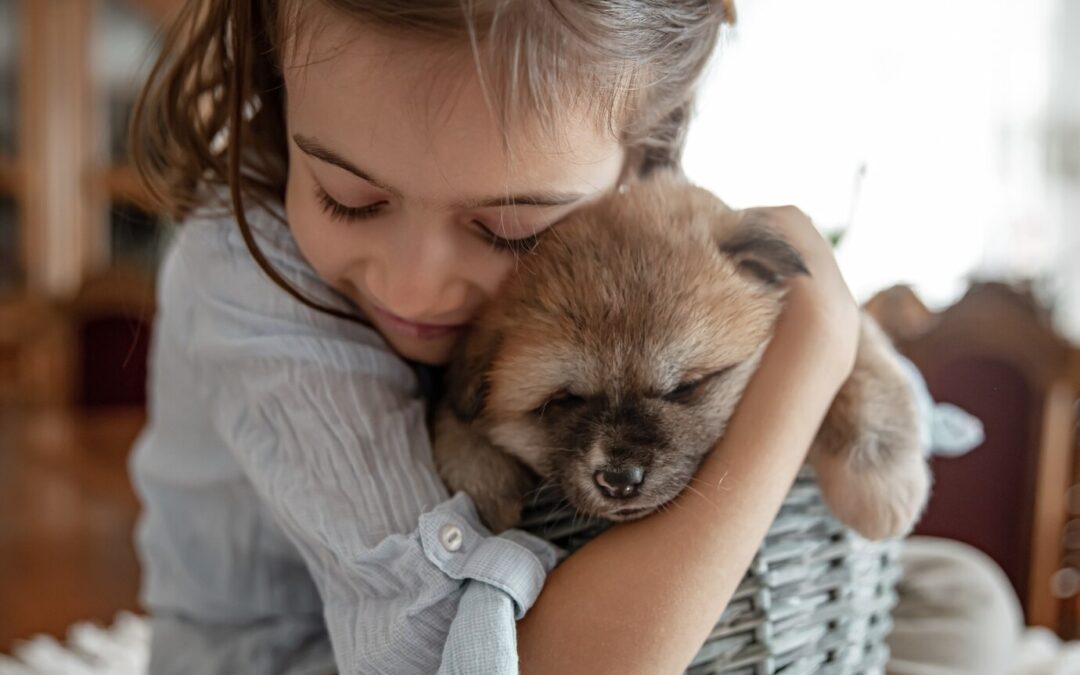
So, you’re curious about how a dog can help a child with special needs? It’s amazing, really! These incredible animals do so much more than just offer companionship. They become integral parts of a child’s life, boosting development and providing crucial support in ways we often don’t fully appreciate. Let’s explore some common questions.
What kinds of special needs can a service dog assist with?
The beauty of it is that service dogs can help a wide range of needs! This includes children with:
- Autism Spectrum Disorder (ASD): Dogs can provide calming pressure, help reduce anxiety during meltdowns, and even retrieve lost items.
- Down Syndrome: They offer companionship and encourage physical activity, helping with coordination and social interaction.
- Cerebral Palsy: Dogs can assist with mobility, retrieving dropped objects, and providing balance support.
- ADHD: They provide a focus point and encourage calm behavior, helping children regulate their energy levels.
- Sensory Processing Disorder: Dogs can provide deep pressure therapy and help to ground a child experiencing sensory overload.
This list isn’t exhaustive, and many other conditions can benefit from a service dog’s unique abilities. The key is finding the right dog and the right training to address the child’s specific needs.
How do service dogs help with development?
The benefits go beyond just practical assistance. A service dog can significantly improve a child’s social, emotional, and physical development. For example:
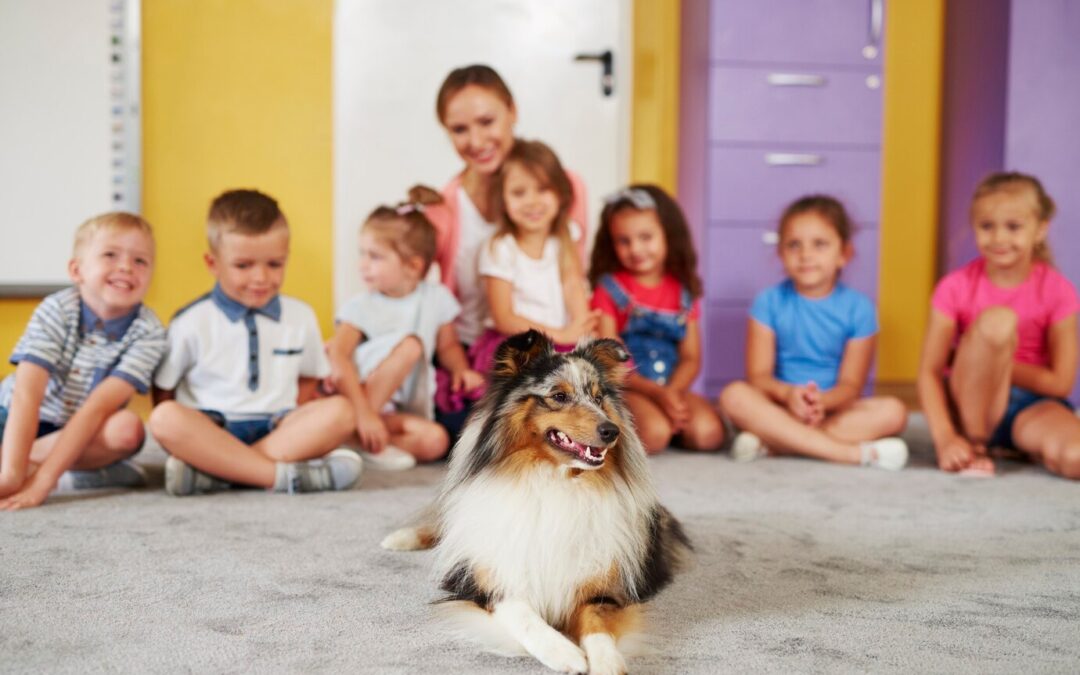
- Increased social interaction: Dogs are natural icebreakers! They can help children initiate conversations and build relationships with others.
- Improved self-esteem: Caring for a dog teaches responsibility and builds confidence.
- Enhanced communication: Some dogs are trained to alert caregivers to specific behaviors or needs, acting as a communication bridge.
- Greater independence: With a trained service dog, children might be able to achieve greater independence in their daily routines.
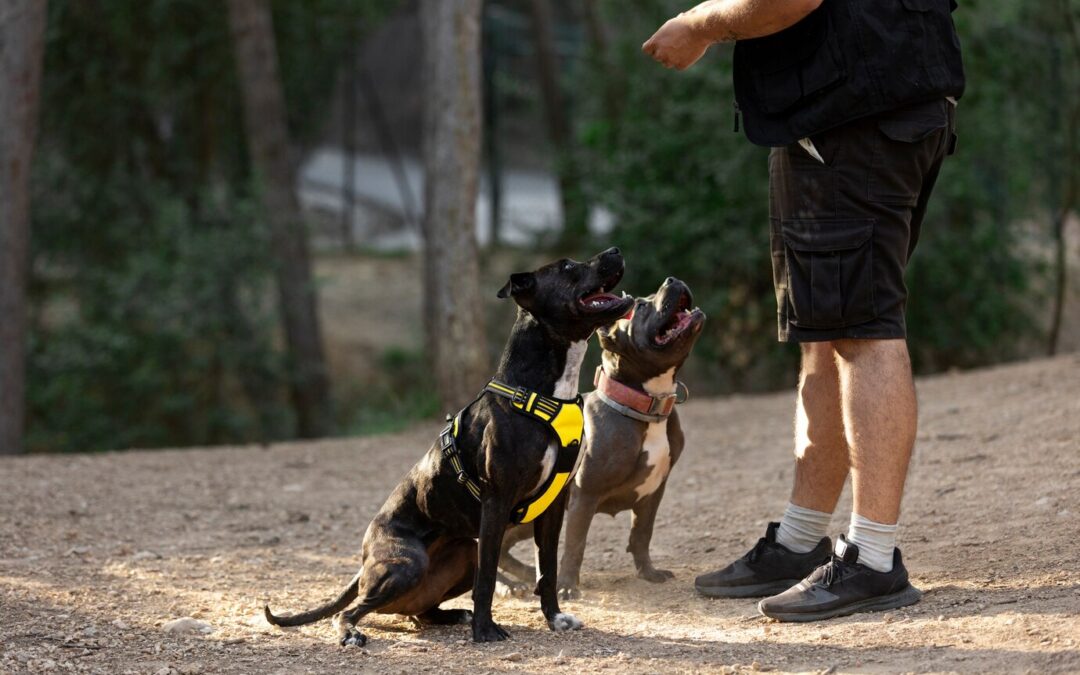
Remember, it’s crucial to work with professionals to tailor the training to the child’s specific abilities and needs.
How do I get a service dog for my child?
Finding the right service dog is a process that requires careful planning and commitment. It’s not a quick fix. Here are some key steps:
- Consult with professionals: Talk to your child’s therapist, doctor, and other relevant professionals to assess the need and determine the best type of service dog.
- Research reputable organizations: Many organizations specialize in training service dogs for children with special needs. Look for those with a proven track record and ethical practices.
- Consider the financial commitment: Service dogs require ongoing training, veterinary care, and supplies. This can be expensive.
- Prepare your family: Integrating a service dog into your family’s life requires commitment and adaptation from everyone.
Be patient and thorough during your search. The reward of having a well-trained service dog assisting your child is immeasurable.
What are the potential challenges?
While the benefits are significant, it’s important to be aware of potential challenges:
- Cost: Training and ongoing care for a service dog can be substantial.
- Time commitment: Training and handling a service dog requires dedication from the family.
- Accessibility: Not all public places are accessible to service dogs.
- Emotional attachment: The strong bond between child and dog can be challenging if the dog needs to be replaced or if the dog passes away.
It’s vital to carefully consider these potential challenges before committing to getting a service dog.
Ultimately, the decision of whether or not to get a service dog is a deeply personal one. Carefully weigh the potential benefits and challenges, and seek professional guidance to make the best decision for your child and your family.










0 comentarios