

What is Breed-Specific Legislation (BSL)?
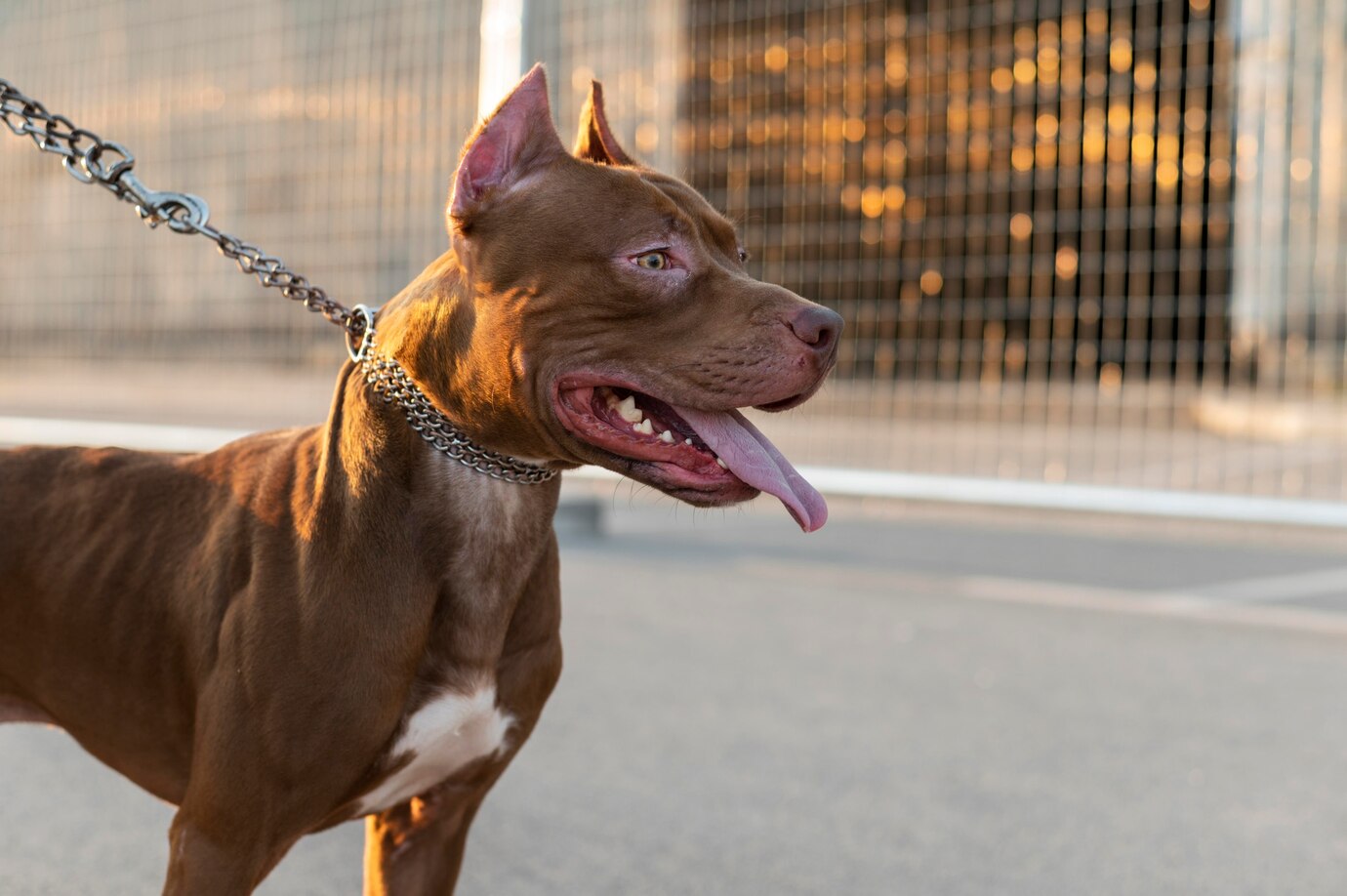
Have you ever heard of laws that target specific dog breeds? That’s breed-specific legislation, or BSL. Basically, it’s a set of rules that single out certain breeds – often considered “pit bulls,” Rottweilers, or others – for restrictions. These restrictions can include bans on owning the breed, mandatory muzzling, or special licensing requirements. It’s a pretty hot topic, and understanding it is key to responsible dog ownership.
Why do some places have BSL?
Proponents of BSL argue that it’s a way to improve public safety by reducing bites from these breeds. They point to statistics (though the accuracy and interpretation of these are often debated) to support their claims. The idea is that by restricting or banning certain breeds, they can prevent potential harm.
What are the arguments against BSL?
On the other hand, many oppose BSL. They argue that it’s unfair to punish dogs based solely on their breed. A dog’s behavior is influenced far more by its upbringing, training, and individual temperament than its breed alone. A well-trained Golden Retriever could be more aggressive than a poorly socialized dog of a breed targeted by BSL. Plus, BSL often leads to difficulties in enforcing the laws consistently and accurately identifying the targeted breeds, leading to confusion and potential injustice.
How do they determine a dog’s breed?
This is a huge problem! Defining breeds can be surprisingly tricky. Many dogs are mixes, and visually identifying a breed with complete accuracy is very difficult, even for experts. This leads to innocent dogs being unfairly targeted, and breeds that look similar being included or excluded arbitrarily.
What are the consequences of BSL?
Consequences can be severe. Owners might face fines, have their dogs seized, or even face criminal charges. The impact on families who own these dogs can be devastating.
What can I do?
If you’re concerned about BSL in your area:
- Research your local laws: Understand the specific breeds targeted and the restrictions in place.
- Educate yourself: Learn about responsible dog ownership and the factors that contribute to dog bites.
- Support responsible organizations: Many groups work to oppose BSL and promote responsible dog ownership. Consider volunteering or donating your time and money.
- Advocate for responsible alternatives: Support initiatives that focus on responsible ownership, dog training, and public education rather than breed-specific bans.
Remember, responsible dog ownership is crucial, regardless of breed. Proper training, socialization, and responsible care play a far more significant role in a dog’s behavior than its breed alone.




















0 comentarios