

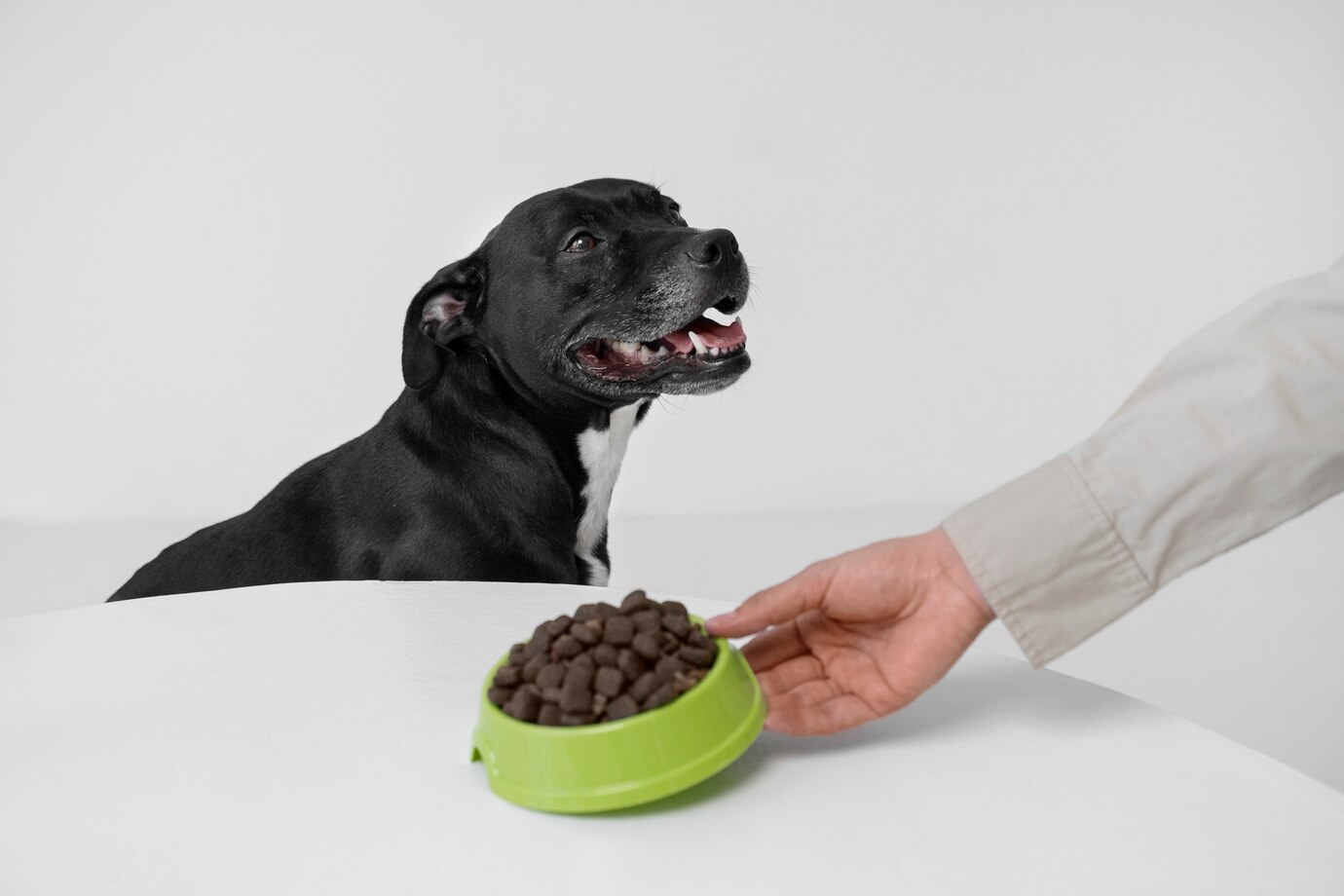
Senior dogs have different dietary needs compared to their younger counterparts. As your furry friend grows older, it’s important to adjust their food to meet their changing requirements. It’s only natural to have questions about how to provide the best nutrition for your senior dog, so let’s address some common concerns.
1. How should I adjust my senior dog’s diet?
As dogs age, their metabolism slows down, which means they require fewer calories to maintain a healthy weight. You may need to switch to a senior-specific dog food that is formulated for older dogs. These foods typically contain lower levels of fat and higher levels of fiber to support digestion and help prevent obesity.
2. Should I add supplements to my senior dog’s diet?
Certain supplements can be beneficial for senior dogs to support their joint health, brain function, and overall well-being. Omega-3 fatty acids, glucosamine, chondroitin, and vitamin E are commonly recommended for senior dogs. However, it’s important to consult with your veterinarian before adding any supplements to your dog’s diet to ensure they are safe and appropriate for your pet.
3. How often should I feed my senior dog?
Senior dogs may benefit from smaller, more frequent meals instead of one or two large meals. This can help prevent digestive issues and stabilize blood sugar levels, especially for dogs with age-related conditions like diabetes or arthritis. Be sure to establish a feeding routine that works best for your senior dog’s individual needs.
4. Are there any foods that senior dogs should avoid?
Certain foods can be harmful to senior dogs, just as they can be for younger dogs. Foods like chocolate, grapes, raisins, onions, garlic, and products containing xylitol should be kept out of reach of senior dogs to avoid potential toxicity. Additionally, older dogs with specific health conditions may need to avoid certain ingredients, so always consult with your veterinarian if you have any concerns.
In conclusion, adjusting your senior dog’s diet to suit their golden years is essential for promoting their health and well-being. By providing them with the right nutrients and making dietary modifications as needed, you can help your furry companion enjoy their senior years to the fullest.



















0 comentarios