


Introduction
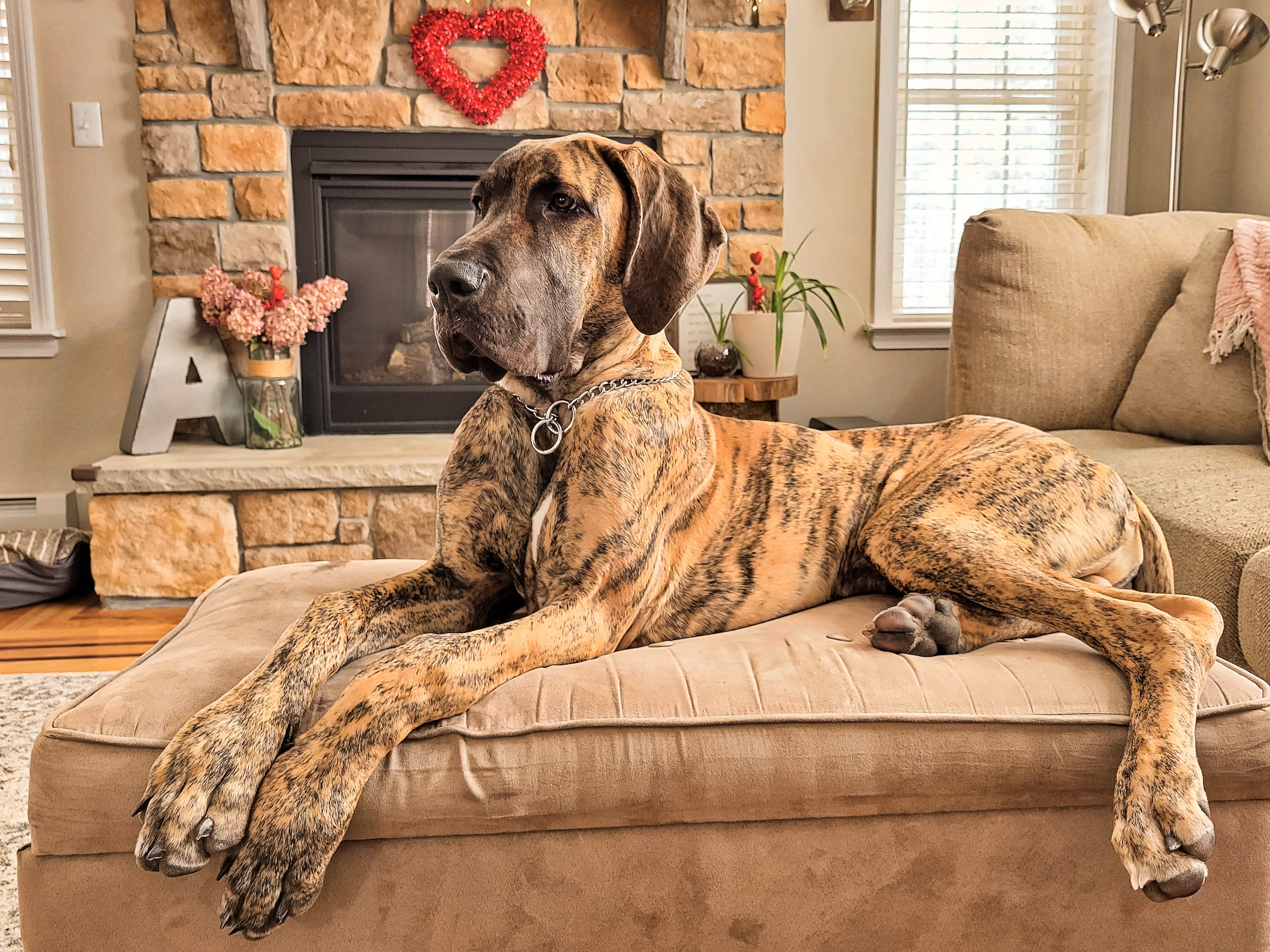
As gentle giants, Great Danes have a unique set of needs, especially as they age. Senior Great Danes require special care to ensure they remain comfortable, healthy, and happy in their golden years. This guide provides practical advice on how to address the physical and emotional changes that come with aging in this majestic breed.
Understanding the Senior Years of a Great Dane
Great Danes have a shorter lifespan than many breeds, typically living 7–10 years. They are considered seniors around 6 years old. During this stage, they may experience age-related challenges such as joint pain, reduced mobility, and slower metabolism. Being proactive in their care can significantly improve their quality of life.
-
Signs of Aging in Great Danes
- Decreased Activity Levels: Slower movements and longer naps.
- Joint Stiffness or Pain: Difficulty getting up, climbing stairs, or lying down.
- Weight Changes: Risk of obesity due to reduced activity or weight loss from health issues.
- Graying Fur: Around the muzzle and face.
- Vision and Hearing Loss: Signs include bumping into objects or not responding to calls.
- Behavioral Changes: Increased anxiety or irritability due to physical discomfort or cognitive decline.
-
Essential Care for Senior Great Danes
1. Nutrition
As Great Danes age, their dietary needs change:
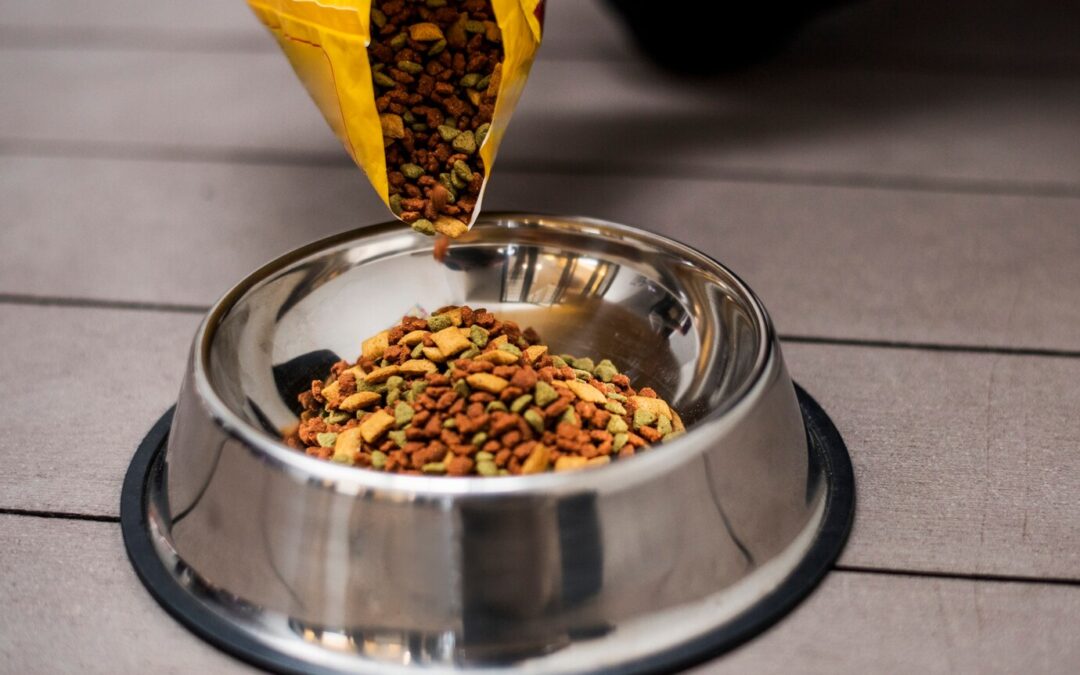
- Weight Management: Provide a balanced, low-calorie diet to prevent obesity, which can strain their joints.
- Joint Support: Look for dog food or supplements containing glucosamine, chondroitin, and omega-3 fatty acids.
- Easy Digestion: Offer easily digestible food to accommodate sensitive stomachs.
- Frequent Meals: Smaller, more frequent meals can help prevent bloating, a common issue in this breed.
2. Regular Exercise
While senior Great Danes may not have the energy of their younger days, light exercise is crucial:
- Daily Walks: Short, slow-paced walks help maintain mobility without overexertion.
- Gentle Play: Low-impact activities like puzzle toys or light fetching.
- Avoid Strain: Prevent jumping or running on hard surfaces to protect their joints.
3. Comfort and Mobility Aids
- Orthopedic Beds: Provide a cushioned bed to alleviate pressure on their joints.
- Ramps and Steps: Help them access furniture, cars, or stairs with ease.
- Non-Slip Flooring: Place rugs or mats to prevent slipping on hard floors.
4. Health Monitoring
Frequent veterinary check-ups are essential to address potential health issues early:
- Joint Health: Monitor for signs of arthritis or hip dysplasia, common in large breeds.
- Heart Health: Great Danes are prone to dilated cardiomyopathy (DCM); regular heart screenings are recommended.
- Dental Care: Maintain oral health with brushing or dental treats to prevent gum disease.
- Vision and Hearing: Watch for signs of cataracts or deafness and adapt your home to these changes.

-
5. Grooming and Skin Care
Great Danes have short coats, but grooming remains essential:
- Skin Checks: Look for lumps, bumps, or sores, which may indicate health issues.
- Regular Brushing: Promotes circulation and removes dead fur.
- Moisturizing Products: Use gentle shampoos and conditioners to prevent dry skin.
6. Emotional Well-Being
- Consistency: Keep a predictable routine to reduce anxiety.
- Social Interaction: Provide plenty of affection and interaction with family members.
- Mental Stimulation: Use puzzle toys or gentle training to keep their minds active.
- Companionship: Great Danes are social dogs that thrive on closeness with their humans.
Common Health Issues in Senior Great Danes
- Arthritis and Joint Pain: Regular vet visits and supplements can help manage this condition.
- Heart Disease: Monitor for symptoms like coughing, fatigue, or shortness of breath.
- Cancer: Regular health checks can catch potential issues early.
- Bloat (Gastric Dilatation-Volvulus): Remain vigilant for symptoms like a distended abdomen or unproductive retching, as this condition is life-threatening.
- Cognitive Decline: Signs include confusion, restlessness, or changes in sleeping patterns.
Adapting to End-of-Life Care
As your Great Dane approaches the final stages of life, focus on comfort and quality:
- Pain Management: Work closely with your vet to manage discomfort.
- Accessible Living Areas: Keep their essentials on one floor to minimize movement.
- Palliative Care: Ensure their environment is peaceful, and consider hospice care if needed.
Conclusion
Caring for a senior Great Dane requires patience, love, and attention to their evolving needs. By providing proper nutrition, exercise, and emotional support, you can help your gentle giant enjoy their twilight years with dignity and comfort. The bond you share during this stage of their life is a testament to the incredible relationship between humans and dogs.





0 comentarios