

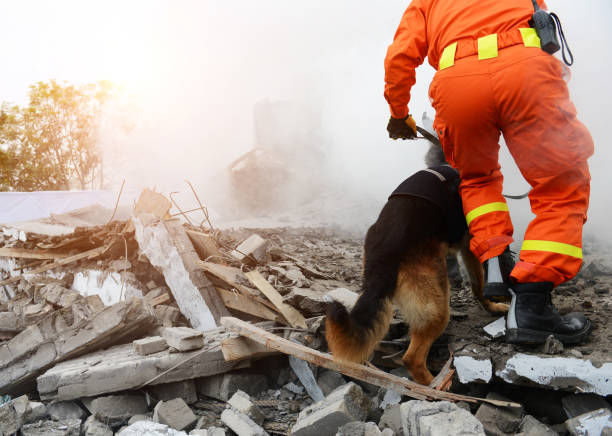

Rescue dogs are often the unsung heroes in natural disasters. Whether it’s a devastating earthquake, a flooding event, or a wildfire, these highly trained dogs work tirelessly alongside human responders to locate survivors, detect hazards, and provide crucial emotional support. Their roles in disaster management have become increasingly important as natural disasters become more frequent and intense due to climate change.
The Lifesaving Role of Dogs in Natural Disasters
One of the most critical roles that rescue dogs play in disaster scenarios is locating survivors trapped under rubble. After a building collapse or an earthquake, the first priority for rescue teams is finding survivors. Dogs are trained to use their acute sense of smell to detect human scent, even if the person is buried under debris. This ability allows rescue teams to focus their efforts on areas where survivors are most likely to be found.
-
Rescue dogs also help detect hazardous materials in disaster zones. Their noses can identify dangerous gases or chemicals that could pose risks to both humans and animals. These dogs are vital for ensuring that the search and rescue teams can work safely and effectively.
Heroic Stories of Rescue Dogs in Action
Several high-profile rescue missions have highlighted the vital contributions of dogs. After the devastating earthquake in Haiti in 2010, teams of search and rescue dogs were dispatched from around the world to help locate survivors. The dogs worked tirelessly, often in extreme conditions, finding trapped victims days after the earthquake had occurred.
Similarly, in the aftermath of Hurricane Katrina, dogs played a pivotal role in locating missing persons and providing comfort to those who had lost everything. The bond between the rescue dogs and the people they help is profound, as these dogs provide more than just practical assistance—they also offer emotional support during times of crisis.
Training and Skills of Rescue Dogs
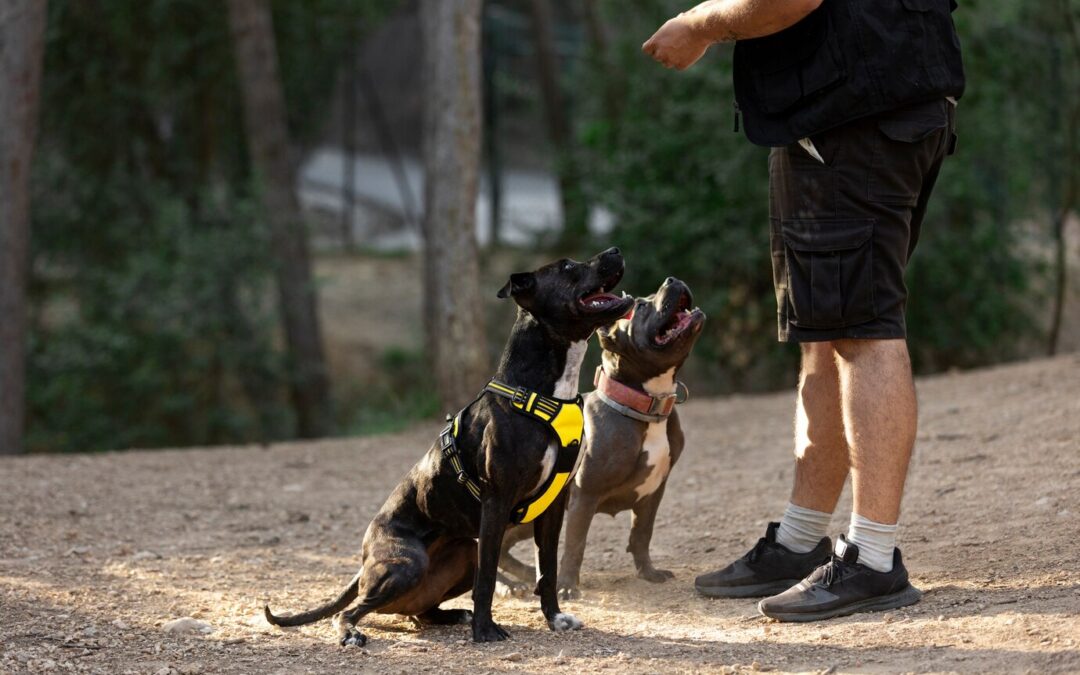
The training of a rescue dog begins early in their life and is highly specialized. Dogs used in rescue missions must be able to remain calm under stress and have an exceptional work ethic. They are trained to work in a variety of environments, including unstable structures, intense heat, and extreme cold. Basic obedience is the foundation of their training, followed by more specialized skills like scent detection and navigating through rubble.
In addition to technical skills, rescue dogs must also be trained to work effectively with human teams. Communication and coordination are key to successful missions, and the dogs must be able to follow commands even in chaotic and dangerous conditions.
Challenges in Disaster Response
While rescue dogs are indispensable during disaster response, there are challenges to deploying them in the field. One major concern is the health and safety of the dogs. In disaster zones, dogs are exposed to physical hazards like sharp debris, toxic chemicals, and extreme weather. Their handlers must ensure that the dogs are well-protected and not overworked during missions.













0 comentarios