



Therapy dogs have become an essential part of educational settings, particularly in addressing student well-being and mental health. Schools across the United States and globally have increasingly recognized the value of these compassionate animals in helping children manage stress, anxiety, and emotional challenges. From providing comfort to students in crisis to being an everyday part of the school routine, therapy dogs have proven to be an indispensable resource.
The Science Behind Therapy Dogs in Schools
Research shows that the presence of therapy dogs helps reduce stress hormones like cortisol while increasing oxytocin levels in both children and adults. These hormone changes can lead to improvements in emotional regulation, attention, and overall mental health. A study conducted by the University of California, for example, showed that children with therapy dogs exhibited improved behavior, reduced anxiety, and greater social engagement. Schools with therapy dog programs report that these animals act as “social bridges,” facilitating better interaction among students who may otherwise struggle with social skills.
-
Real-Life Examples of Therapy Dogs in Schools
Several schools around the U.S. have implemented therapy dog programs with great success. For instance, the presence of therapy dogs at the University of Pennsylvania’s counseling services has helped students ease stress during exam periods. Additionally, therapy dogs at Texas A&M University provide support to students dealing with the pressures of academic life. These dogs are also used to help with reading programs for children struggling with literacy, as the dogs provide a non-judgmental and supportive presence.
The Legal Framework and Training Requirements
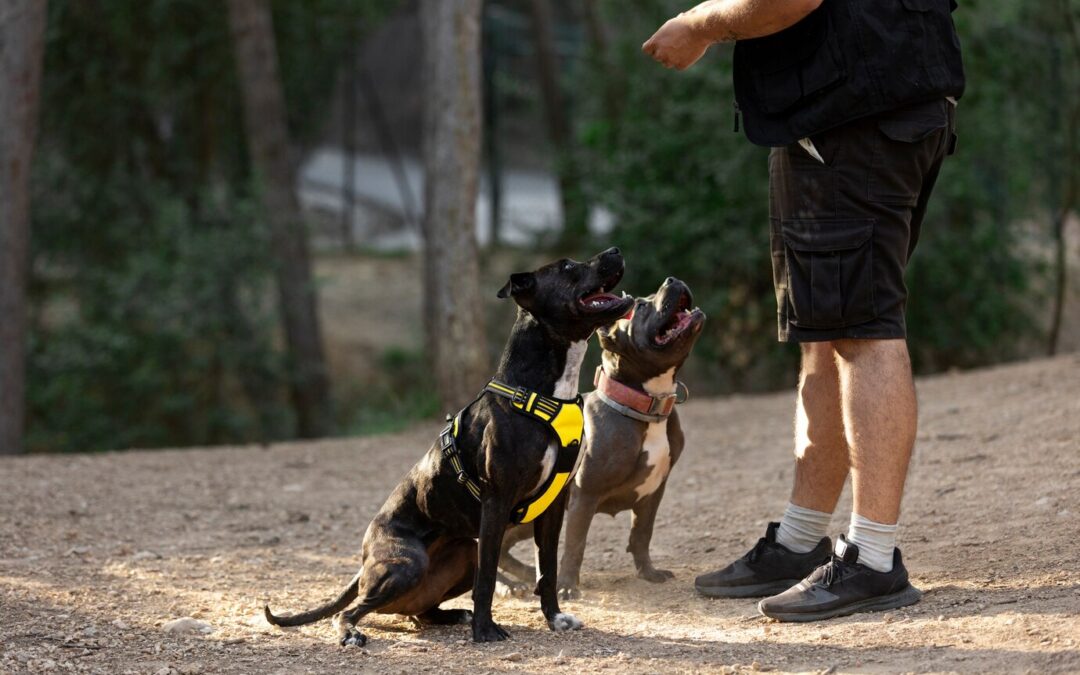
In the U.S., therapy dogs are distinct from service dogs, which are trained to assist people with disabilities. While therapy dogs are trained to be calm, well-behaved, and approachable, they do not have the same legal access rights as service dogs under the Americans with Disabilities Act (ADA). However, laws in several states allow therapy dogs to work within certain educational and healthcare settings. Training for therapy dogs can range from basic obedience to specialized training for emotional support and calming techniques.
For schools looking to implement therapy dog programs, the American Kennel Club (AKC) and organizations like Pet Partners provide certification and training guidelines to ensure that the dogs are well-prepared for their roles. The training not only focuses on the dog’s behavior but also on their handler’s ability to manage the dog in various school environments.
-
The Impact of Therapy Dogs Beyond the Classroom
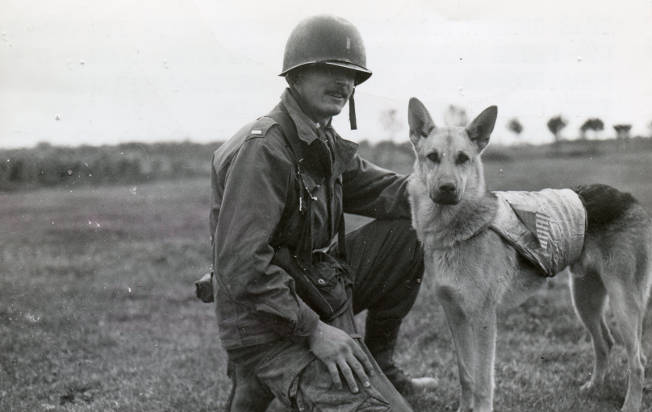
While therapy dogs are primarily used in educational settings, their benefits extend far beyond the classroom. They have been successfully integrated into hospitals, nursing homes, and even disaster response teams. In post-trauma situations, therapy dogs provide emotional support to first responders and survivors. These animals, through their calm demeanor and unconditional companionship, help individuals process trauma and reduce feelings of isolation.
As more schools and institutions recognize the benefits of therapy dogs, the demand for trained animals is likely to grow. Therapy dog programs are now being integrated into schools’ mental health initiatives, offering a holistic approach to student well-being.
For more on therapy dog programs and their benefits, visit educational resources like Pet Partners or your local school district’s wellness programs.




















0 comentarios