

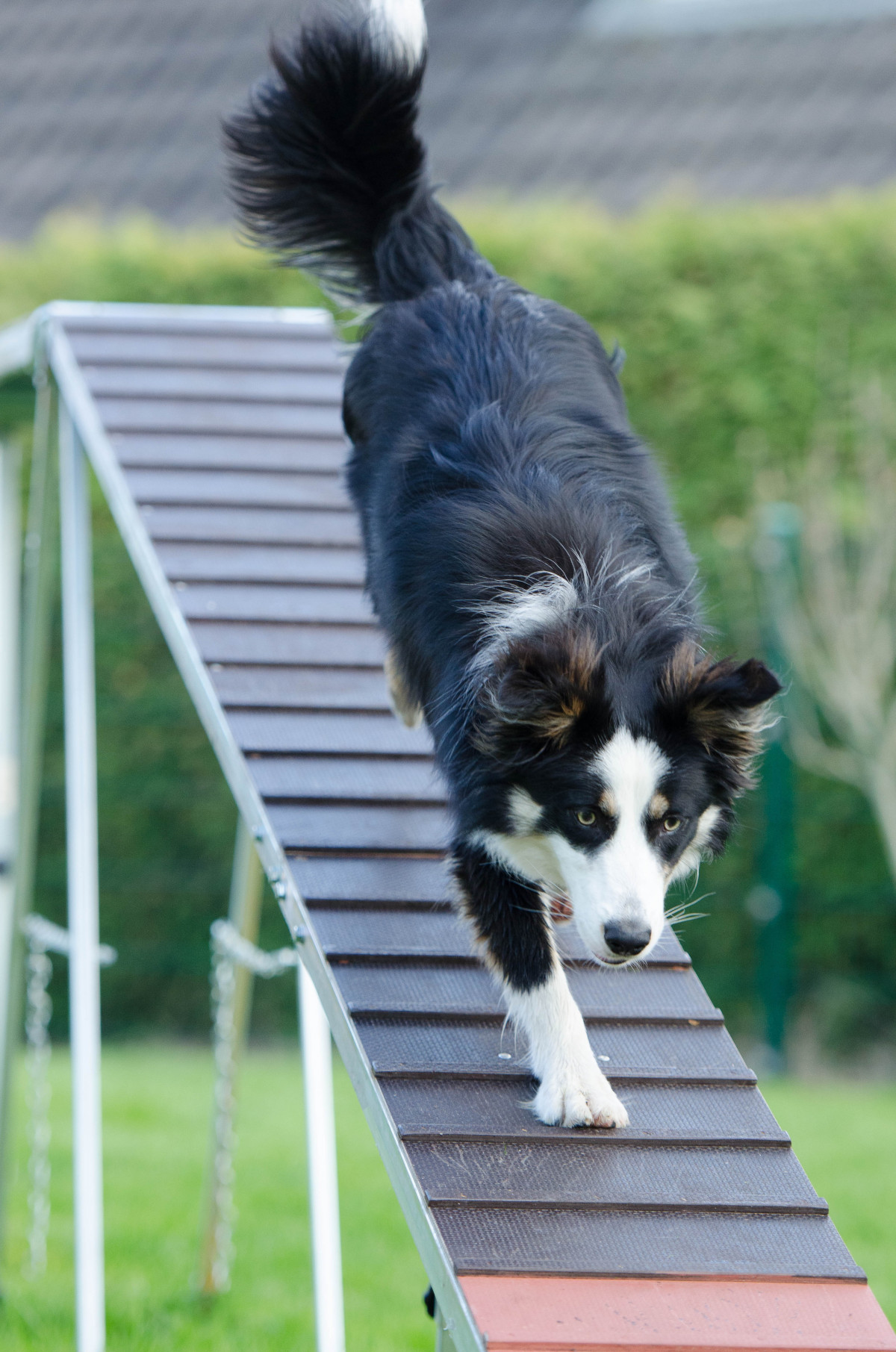

Agility is one of the most popular and exhilarating dog sports in the world, combining athleticism, obedience, and teamwork. It’s a fast-paced activity where dogs navigate an obstacle course while guided by their handlers. Originating in the 1970s, agility has grown into an internationally recognized sport that strengthens the bond between dog and owner.
What is Agility?
Agility is a timed competition where dogs must complete a course filled with various obstacles, including jumps, tunnels, weave poles, and more. The handler directs the dog using voice commands, hand signals, and body language, but cannot touch the dog or the obstacles.
The goal is to complete the course as quickly and accurately as possible. Faults are given for mistakes like knocking down a jump bar, missing an obstacle, or not following the correct sequence.
-
Who Can Participate?
Agility is open to dogs of all breeds, sizes, and ages, though puppies and senior dogs should avoid high-impact activities to prevent injuries. Many organizations, such as the American Kennel Club (AKC) and Fédération Cynologique Internationale (FCI), host competitions for both purebred and mixed-breed dogs.
Handlers don’t need to be professional trainers—anyone willing to put in the time to learn and practice can participate.
The Agility Course
A standard agility course includes a variety of obstacles, such as:
- Jumps: Different types, including single, double, and tire jumps.
- Tunnels: Flexible tubes that dogs must run through.
- Weave Poles: A series of poles that dogs weave through in a zig-zag pattern.
- A-Frame: A steep, ramp-like obstacle dogs must climb up and down.
- See-Saw (Teeter Totter): A balance challenge where the dog must tip the plank and walk down.
- Dog Walk: A raised walkway with an incline, flat section, and decline.
- Table: A pause table where the dog must sit or lie down for a set period.
Getting Started in Agility
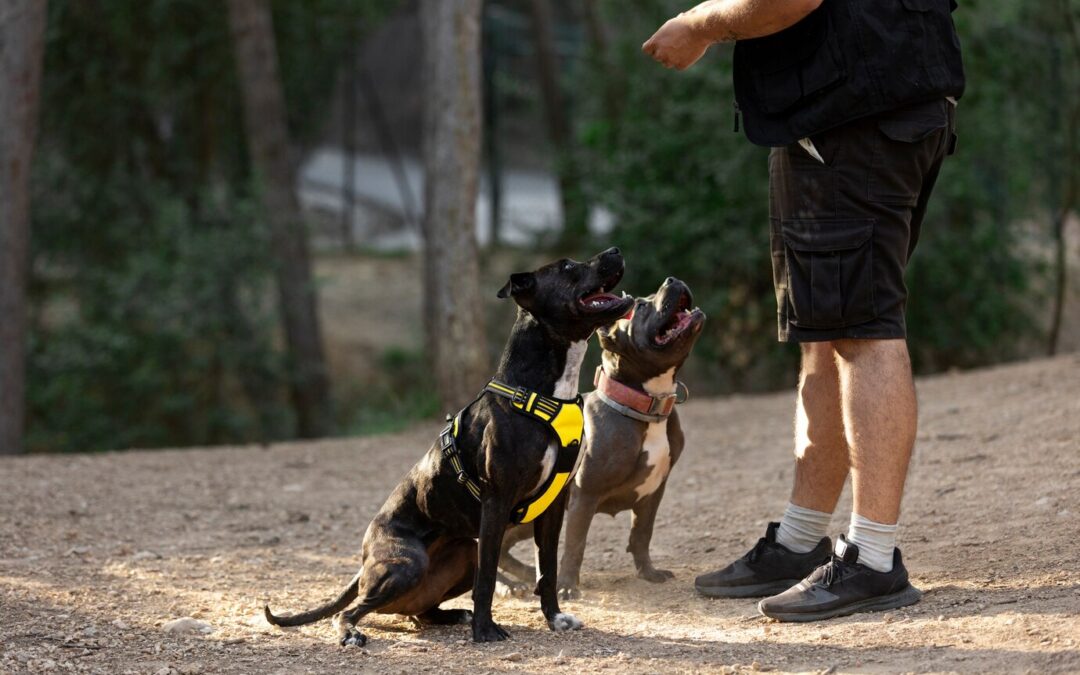
- Training: Start with basic obedience training. Commands like “sit,” “stay,” and “come” are essential.
- Classes: Many training centers offer agility courses for beginners.
- Equipment: You can purchase or build simple obstacles to practice at home.
- Clubs: Join local agility clubs to connect with experienced handlers and participate in events.
- Patience: Agility requires dedication and consistency. Be patient as you and your dog learn the ropes.
Competitive Agility
Agility competitions are held worldwide and include different levels of difficulty. Dogs are grouped by size and experience level to ensure fairness. Some well-known organizations hosting events include:
- American Kennel Club (AKC)
- United States Dog Agility Association (USDAA)
- Fédération Cynologique Internationale (FCI)
- The Kennel Club (UK)
These events are exciting to watch and often televised, showcasing the incredible skill and speed of top-performing dogs.
Is Agility Right for Your Dog?
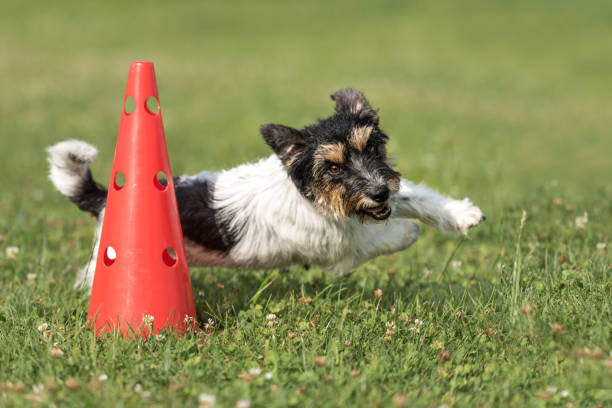
Agility is a fantastic option for energetic and eager-to-learn dogs. Breeds like Border Collies, Australian Shepherds, and Jack Russell Terriers excel in the sport, but any dog with proper training and motivation can succeed.
Remember to consult your veterinarian before starting agility to ensure your dog is healthy enough for the activity.

-
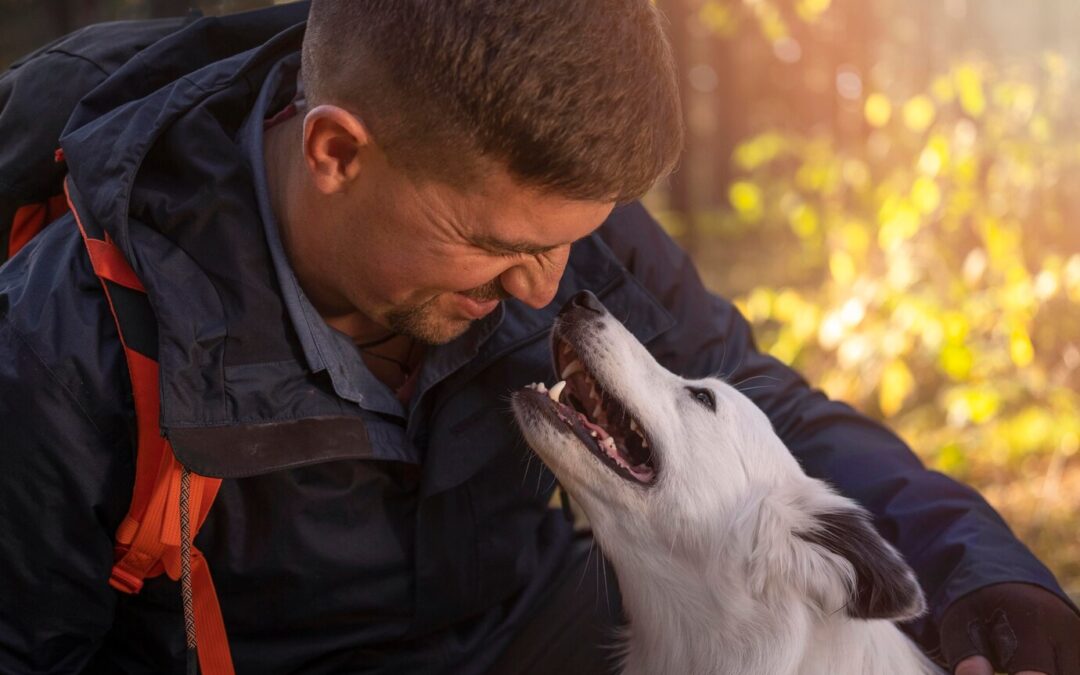
Agility is more than just a sport—it’s a celebration of the incredible partnership between dogs and humans. Whether you’re aiming for competition or simply looking for a fun way to bond with your pet, agility offers endless opportunities for learning, growth, and enjoyment.
Ready to get started? Visit our resources section to find local clubs, training tips, and agility equipment recommendations!















0 comentarios