

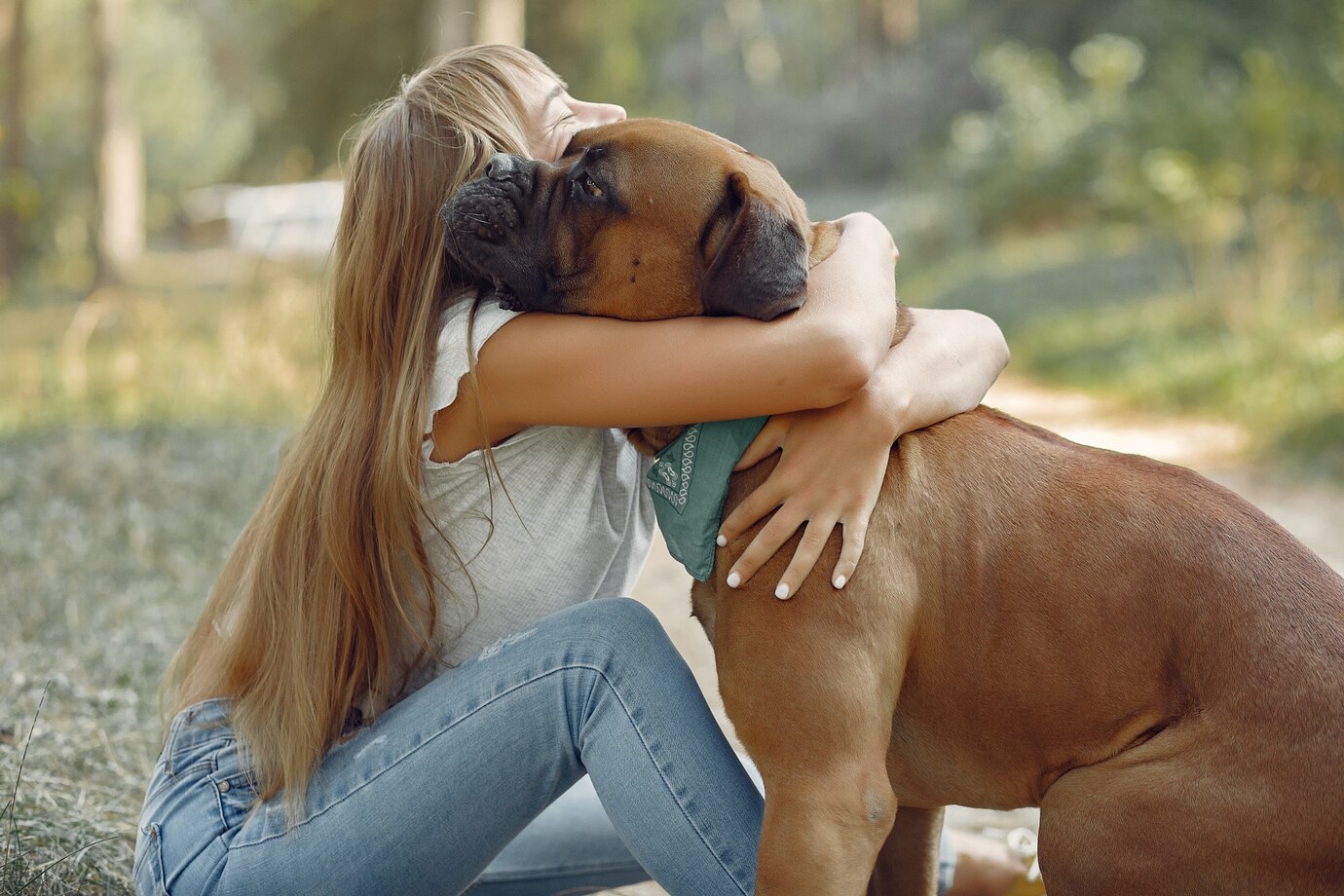
Understanding Your Adopted Dog’s Emotional Baggage
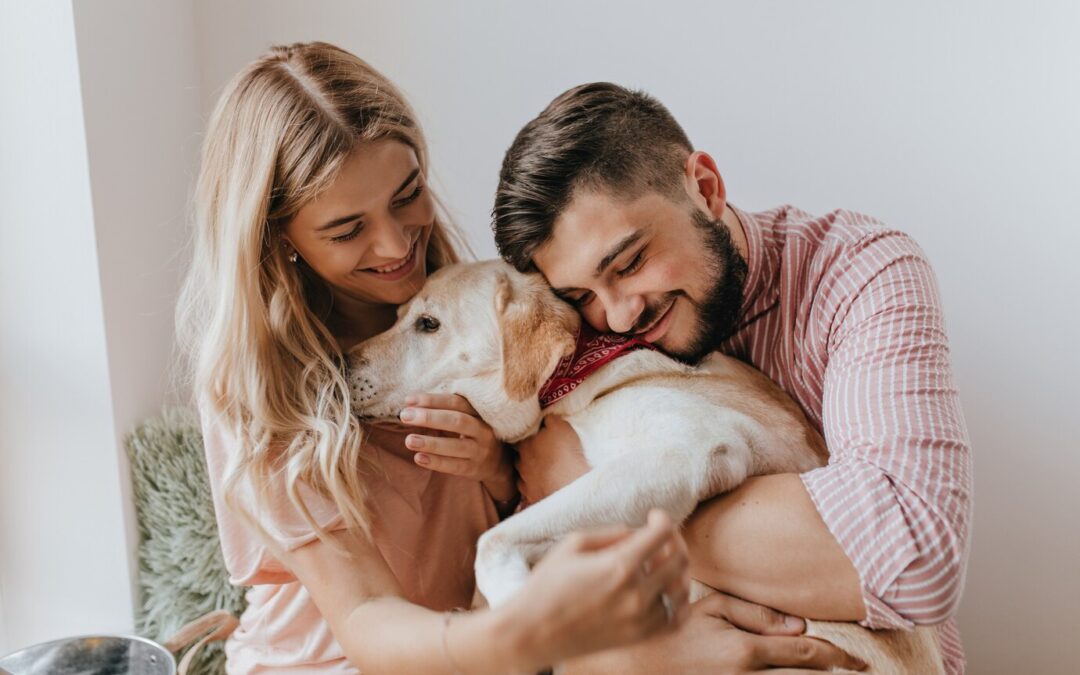
Bringing home an adopted dog is incredibly rewarding, but it’s important to remember that these pups often come with a unique emotional history. They might have experienced neglect, trauma, or simply a lack of consistent care. Understanding their emotional needs is key to building a strong, loving bond. So, let’s address some common questions:
Why Does My Adopted Dog Seem Anxious?
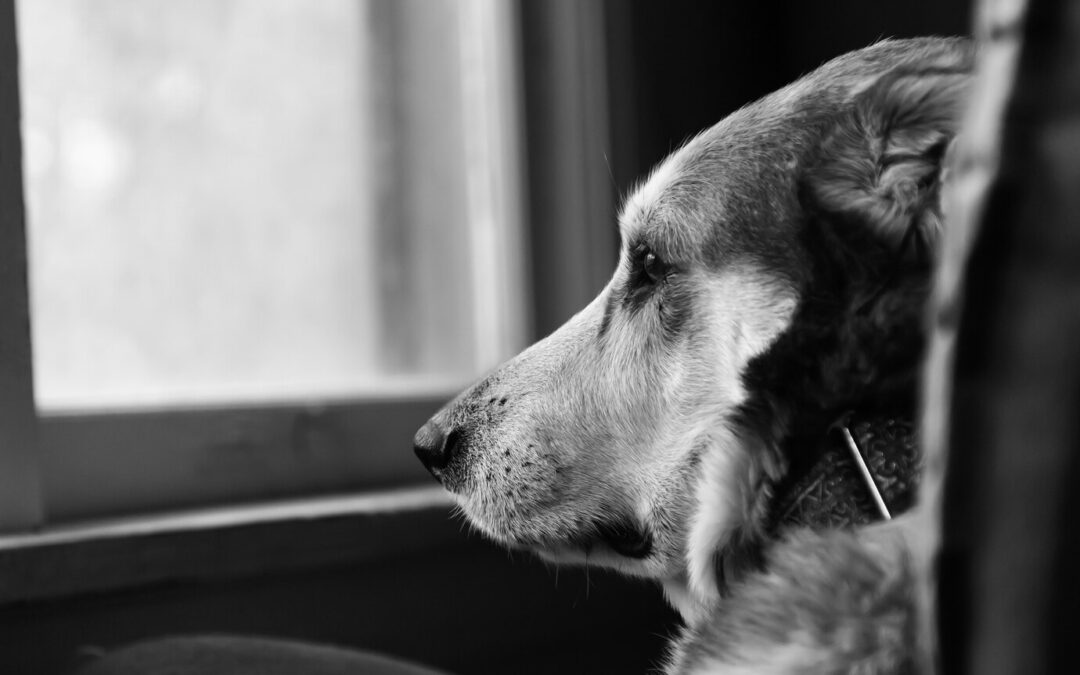
Anxiety is very common in adopted dogs. It manifests in different ways – from excessive barking and whining to destructive chewing, house soiling, or hiding. This anxiety often stems from their past experiences. Think of it like this: they’re essentially learning to trust again.
- Patience is Key: Don’t push them into situations that make them uncomfortable. Let them explore their new environment at their own pace.
- Create a Safe Space: Designate a quiet, comfortable area where your dog can retreat when feeling overwhelmed. A crate, a dog bed in a quiet corner – whatever works best for them.
- Positive Reinforcement: Reward calm behavior with treats, praise, and affection. This helps them associate your presence with positive experiences.
- Professional Help: If anxiety is severe or persistent, consult a veterinarian or a certified dog behaviorist. They can help you develop a tailored behavior modification plan, and in some cases may recommend medication.
My Dog is Fearful – What Should I Do?
Fear is another common emotion in adopted dogs. This can be triggered by loud noises, sudden movements, or even unfamiliar people. It’s crucial to approach fearful dogs with sensitivity and understanding.
- Avoid Forcing Interactions: Never force your dog to interact with people or situations that scare them. This will only worsen their fear.
- Desensitization and Counter-Conditioning: Gradually expose your dog to their fears at a distance and in a controlled manner, pairing the fearful stimulus with positive associations like treats and praise. This is best done with the guidance of a professional.
- Body Language Awareness: Learn to recognize your dog’s body language – signs of fear include tucked tail, lowered ears, whale eye (showing the whites of their eyes), and lip licking. Respect these signs and give them space.
How Can I Build Trust with My Adopted Dog?
Building trust takes time and consistency. It’s a gradual process that requires patience and understanding.
- Consistency and Routine: Dogs thrive on routine. Consistent feeding times, walks, and playtime help them feel secure.
- Positive Interactions: Focus on positive interactions – gentle petting, calm praise, and playful games. Avoid punishment, as this can damage your relationship.
- Respect Their Boundaries: Pay attention to your dog’s signals. If they pull away from petting or seem stressed, respect their space.
Remember, every dog is an individual. Adopting a dog is a commitment that extends beyond providing food and shelter; it’s about understanding and meeting their emotional needs. With patience, understanding, and sometimes professional help, you can build a strong, loving bond with your adopted companion and help them thrive in their new home.







0 comentarios