

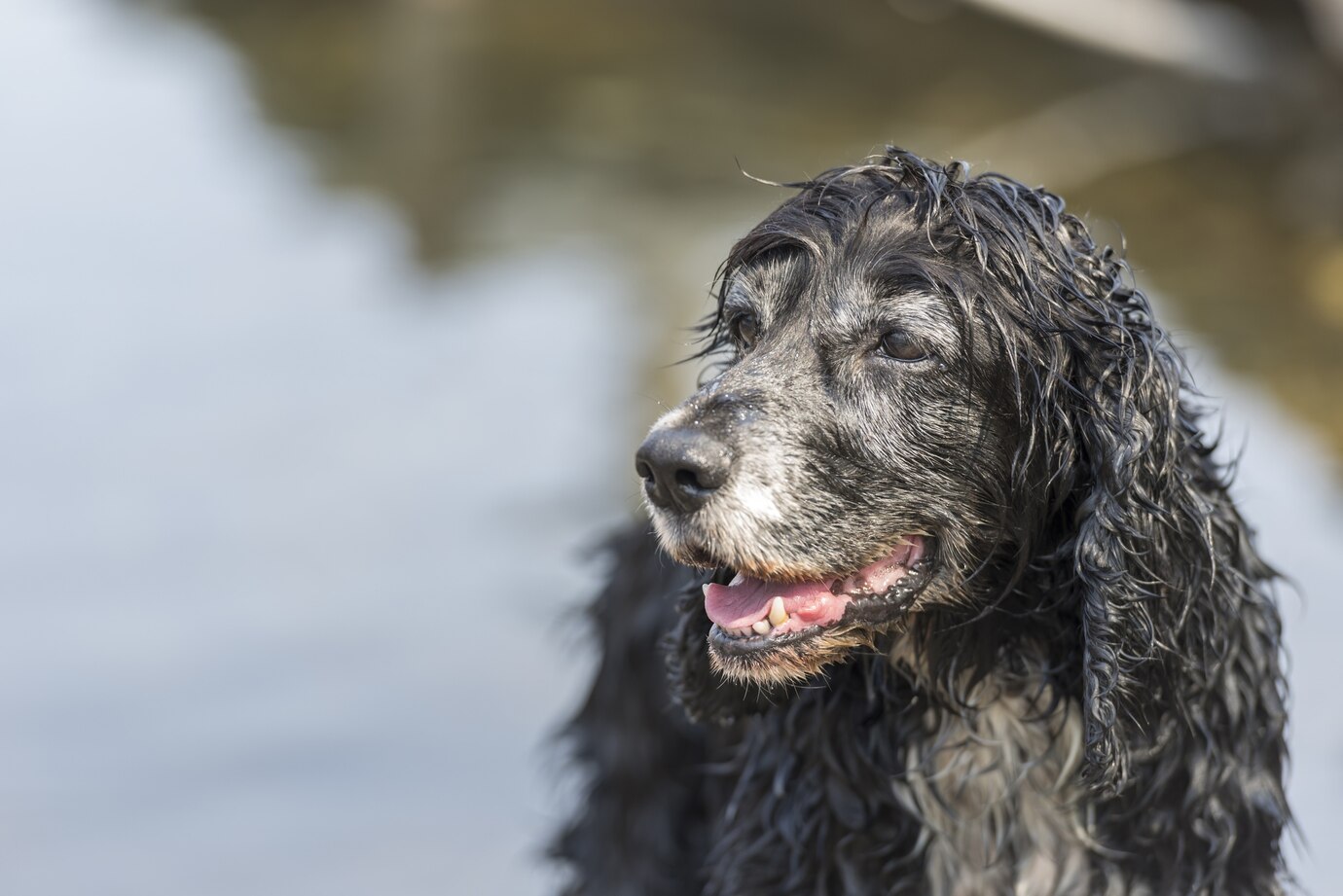
Do you have a furry friend who has been with you through thick and thin? As our beloved pets age, it’s important to pay attention to their changing needs and behaviors. Just like humans, dogs show signs of aging that may require adjustments in their care. Let’s take a closer look at some common questions about signs of aging in dogs and how to adapt to their evolving needs.
What are the signs of aging in dogs?
- Gray hair
- Cloudy eyes
- Slower movement
- Decreased energy
- Dental issues
- Weight gain or loss
- Behavioral changes
Keep an eye out for these changes in your furry companion. If you notice any concerning symptoms, it’s best to consult with your veterinarian for a proper diagnosis.
How can I adapt to my aging dog’s needs?
- Adjust their diet: As dogs age, their nutritional requirements may change. Consider switching to a senior dog food formula specially formulated for older pets.
- Provide gentle exercise: While regular exercise is still important, older dogs may need shorter and more leisurely walks to prevent joint pain.
- Upgrade their bedding: Invest in a comfortable and supportive bed to ease any joint pain or arthritis your dog may be experiencing.
- Schedule regular vet check-ups: Regular visits to the vet can help catch any health issues early and ensure your dog is receiving the necessary care.
- Provide mental stimulation: Engage your aging dog with puzzle toys or interactive games to keep their mind sharp and prevent cognitive decline.
By making these small adjustments to your dog’s routine, you can help them navigate the aging process with comfort and care.







0 comentarios