

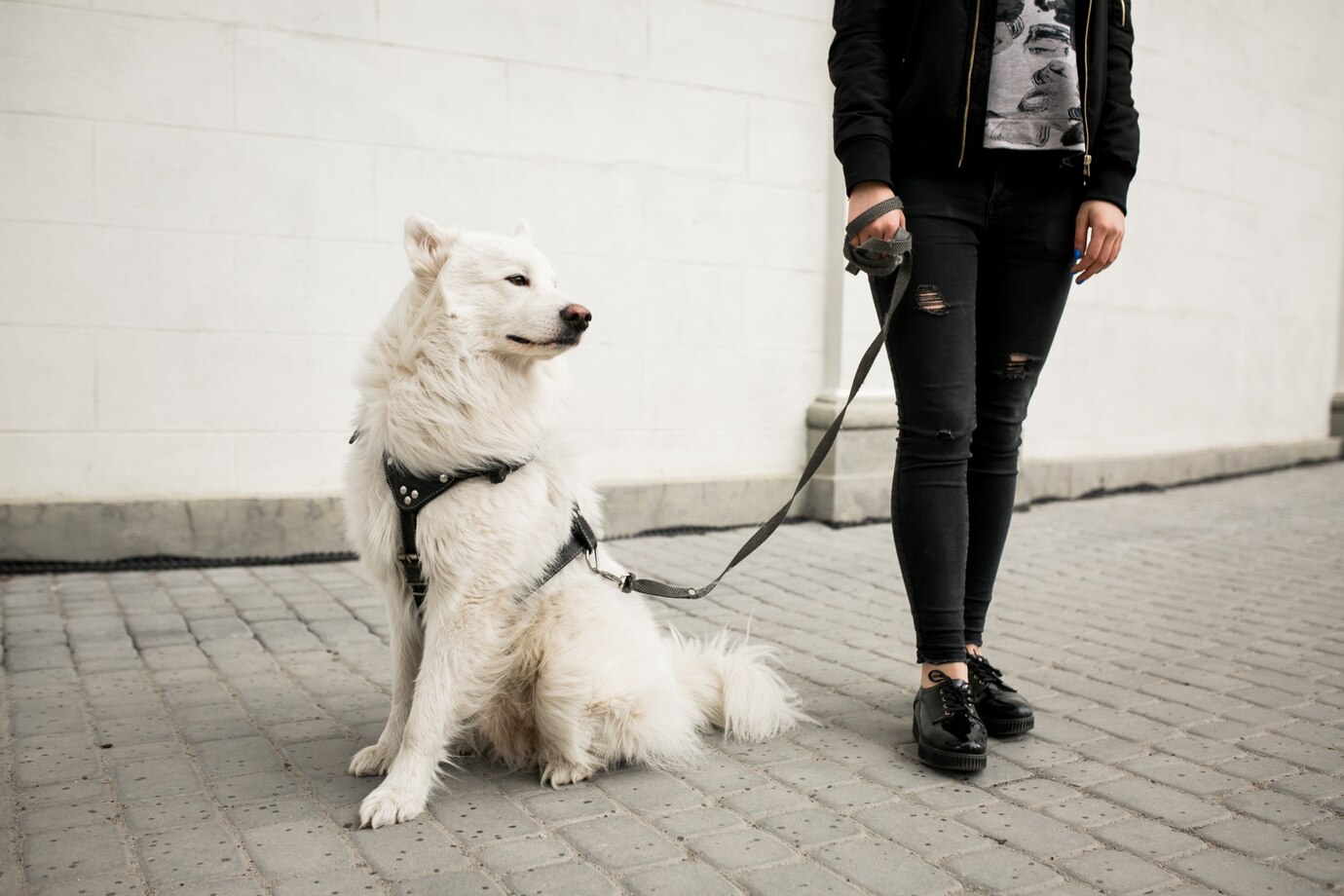
Finding the Purrfect Pup Harness: A Guide to Comfort and Safety
So, you’re looking for a harness for your furry friend? That’s fantastic! Choosing the right harness can make all the difference in your dog’s comfort and safety during walks, adventures, and even just chilling at home. It can seem overwhelming with so many options out there, but don’t worry, we’ll break it down.
What Type of Harness is Best?
There are several types of harnesses, each with its pros and cons:
- Step-in Harnesses: Easy to put on and take off, ideal for dogs who don’t mind having their heads go through. However, they may not be as secure for strong pullers.
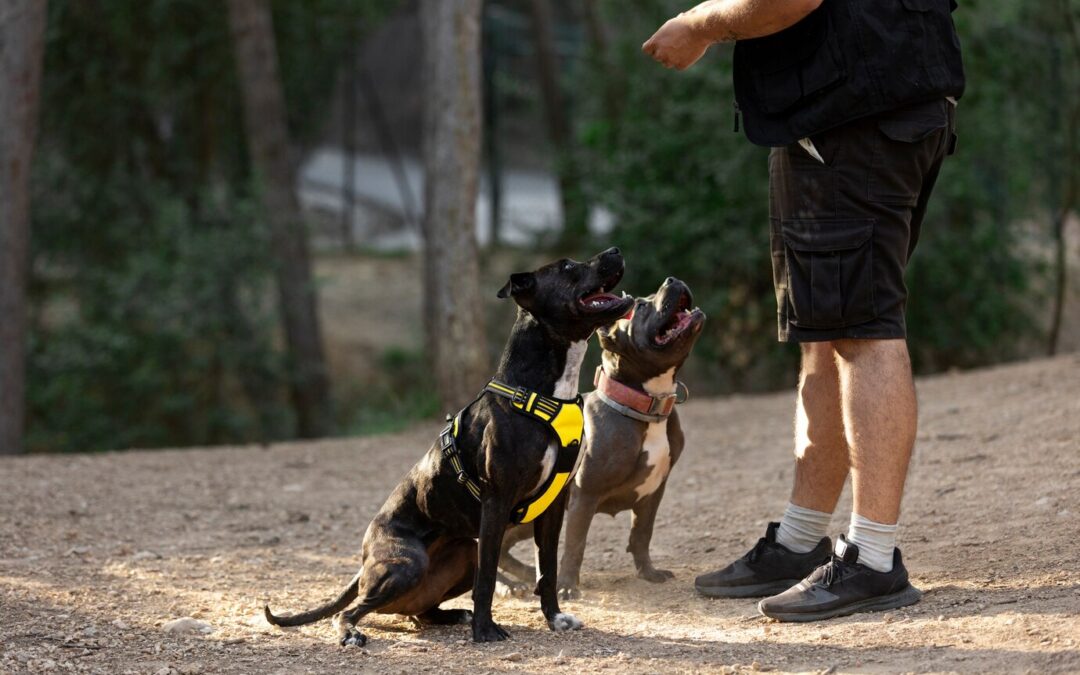
- Front-Clip Harnesses: These harnesses clip to the dog’s chest, discouraging pulling. Great for training and for dogs who tend to lunge. However, they might not be suitable for all dogs, particularly those with certain neck or shoulder issues.
- Back-Clip Harnesses: These clip to the back, providing more control, especially for larger breeds. They’re less effective in discouraging pulling compared to front-clip harnesses.
- No-Pull Harnesses: Designed specifically to deter pulling, usually by tightening gently around the chest when the dog pulls. Ensure proper fit is crucial to avoid discomfort.
The best type for your dog will depend on their breed, size, temperament, and your walking style. A well-trained dog might do perfectly fine with a simple back-clip harness, while a strong puller might benefit from a front-clip or no-pull harness.
How to Measure Your Dog for a Harness
Getting the right fit is key to comfort and safety. Measure your dog’s girth (the circumference of their chest, just behind their front legs) and neck circumference. Always refer to the manufacturer’s size chart; sizes can vary between brands.
Important Tip: A well-fitting harness should be snug but not tight. You should be able to fit two fingers comfortably between the harness and your dog’s body.
Materials Matter
Look for durable, breathable materials like nylon or padded neoprene. Avoid harnesses made from stiff, uncomfortable materials, especially for long walks or adventures. Consider the climate – a breathable harness is ideal for warmer weather.
Safety Features to Consider
- Reflective strips: Essential for nighttime walks to improve visibility.
- Durable hardware: Check for strong buckles and clips that won’t easily break.
- Handle: A handle on the top of the harness can be helpful for lifting your dog in emergencies or for extra control.
Don’t Forget to Train!
Even the best harness won’t magically solve pulling issues. Positive reinforcement training is key to teaching your dog to walk politely on a leash. Consult a professional dog trainer if you need help.
Finding the right harness takes a little research, but it’s worth the effort. A comfortable and safe harness will make walks more enjoyable for both you and your canine companion. Happy walking!










0 Comments