

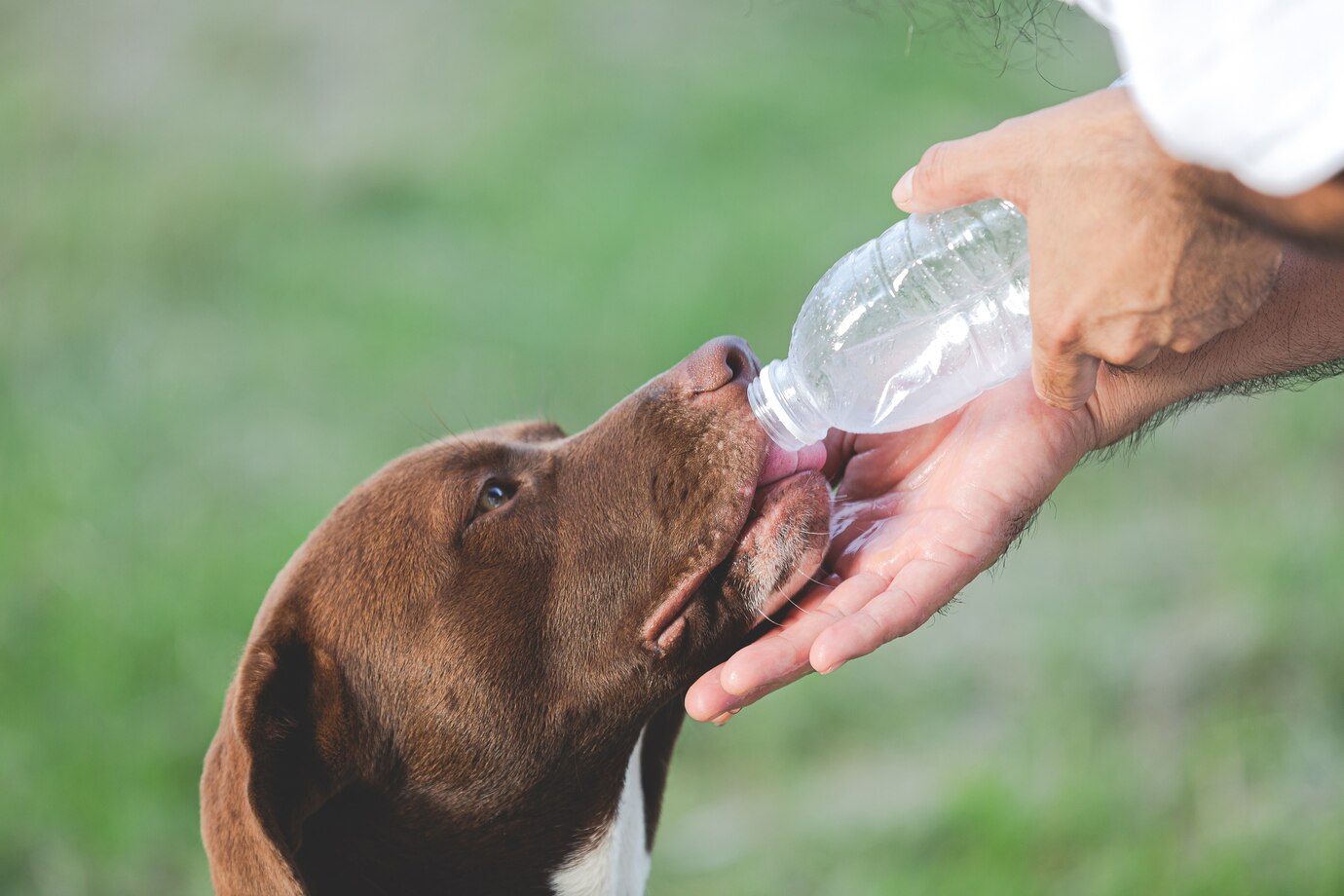
Hey there, dog owners! Keeping your furry friend properly hydrated is crucial for their overall health and well-being. Just like us, dogs need a steady intake of water to stay healthy and happy. Let’s dive into some common questions about dog hydration and water intake so you can make sure your pup is getting the hydration they need.
How much water should my dog be drinking?
It’s important to monitor your dog’s water intake to ensure they are getting enough hydration. On average, dogs should drink about 1 ounce of water per pound of body weight each day. However, this can vary depending on factors like age, size, activity level, and the weather.
How can I encourage my dog to drink more water?
If you notice that your dog is not drinking enough water, there are a few tricks you can try to encourage them to stay hydrated. Some dogs prefer running water, so consider investing in a dog water fountain. You can also try adding some low-sodium chicken broth or a splash of water from a can of tuna to make their water more enticing.
What are the signs of dehydration in dogs?
It’s important to be able to recognize the signs of dehydration in dogs so you can take action quickly. Some common signs include dry gums, excessive panting, sunken eyes, lethargy, and loss of appetite. If you notice any of these signs, be sure to offer your dog water and consult with your veterinarian.
How can I ensure my dog stays hydrated during hot weather?
During hot weather, it’s especially important to make sure your dog stays hydrated. Always provide access to fresh, clean water, and consider adding ice cubes to their water bowl to keep it cool. You can also freeze some low-sodium chicken broth or diluted beef broth in ice cube trays for a tasty and hydrating treat.
Final thoughts
Remember, proper hydration is key to keeping your dog healthy and happy. By monitoring their water intake, encouraging them to drink more water, and recognizing the signs of dehydration, you can help ensure that your furry friend stays hydrated and healthy. If you ever have concerns about your dog’s hydration, don’t hesitate to contact your veterinarian for advice.










0 Comments