


A New Perspective on Adoption
Adopting a dog often conjures images of bringing a pet home, providing it with food, love, and a safe environment. However, there’s another form of adoption that doesn’t involve bringing a dog into your house but rather caring for stray dogs in their natural environment. Stray dogs that live in packs near human communities exhibit behaviors deeply rooted in their instinctual and historical bonds with humans. By extending care to these animals where they live, we embrace a unique and meaningful approach to adoption.
Stray Dogs and Their Natural Habitat
Many stray dogs live in urban and rural areas in self-formed packs. These dogs have adapted to their surroundings, learning how to find food, interact
-
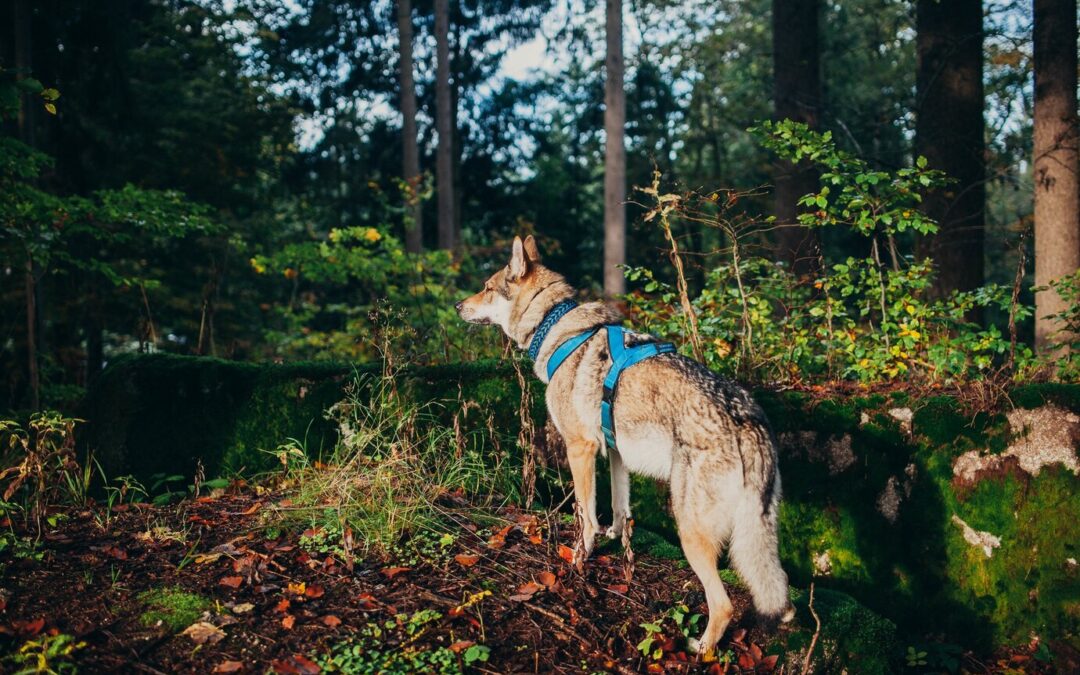
with humans, and navigate complex social structures within their packs. Their “natural environment” includes both the human world and their pack, forming a delicate balance. Removing a dog from this dynamic can sometimes disrupt its social bonds and survival mechanisms.
Instead of adopting in the traditional sense, caring for street dogs in their environment allows them to thrive while maintaining their natural instincts. They remain independent yet loyal, often forming bonds with the people who care for them.
How to Adopt Without Caging
-
Providing Food and Water
One of the simplest and most impactful ways to care for stray dogs is by ensuring they have access to clean water and nutritious food. Regular feeding schedules can help build trust, and over time, these dogs may start relying on you as a friendly and dependable figure in their lives. -
Medical Care and Vaccinations
Stray dogs often face risks from disease, injuries, and parasites. Helping them by providing access to veterinary care, vaccinations, and sterilization can significantly improve their quality of life and prevent overpopulation. Many organizations and veterinarians offer low-cost services specifically for stray animals.

-
Creating Shelters
Especially in harsh weather conditions, stray dogs benefit greatly from simple, makeshift shelters. These can be as basic as shaded areas in the summer or small insulated huts in colder months. -
Regular Interaction
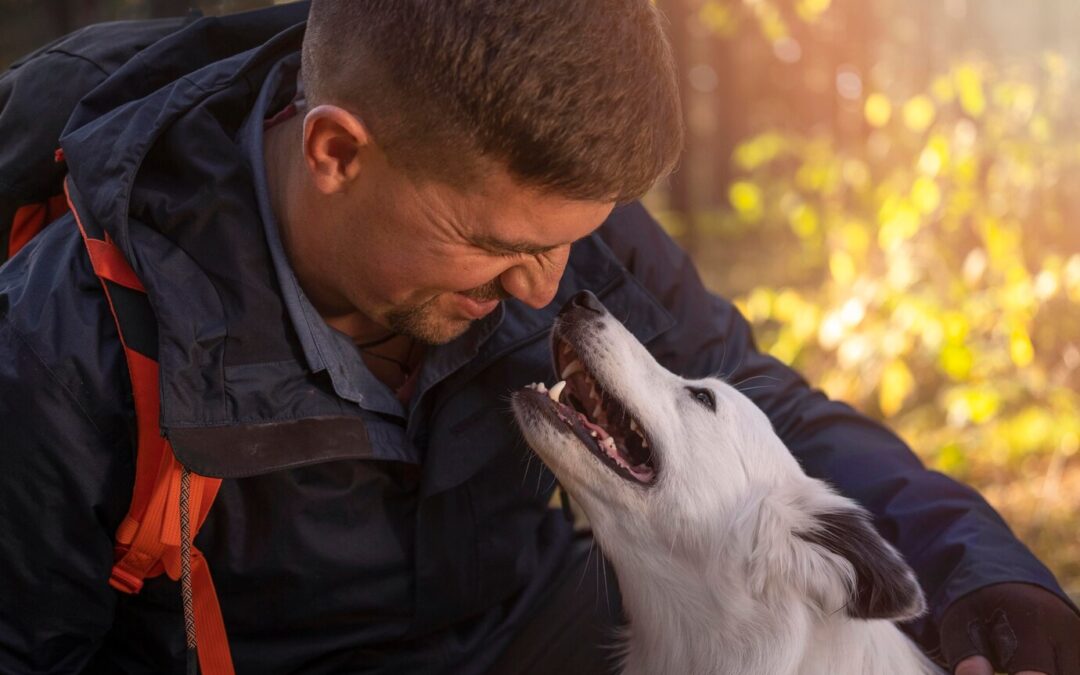
Spending time with stray dogs helps them socialize and trust humans. Simple acts like talking to them, playing, or just being present can strengthen their bond with you. This bond is rooted not in obligation but in mutual trust and respect. -
Respect Their Autonomy
Unlike house pets, stray dogs often value their freedom. Respecting their autonomy by not trying to confine or overly control them fosters a relationship based on choice. When dogs stay close to you because they want to, not because they are forced, it speaks to a genuine connection.
Loyalty Born of Choice
Dogs are inherently social animals with a remarkable capacity for loyalty. Stray dogs that are cared for in their natural environment often show deep gratitude and loyalty toward their caregivers. Unlike pets that are dependent due to living indoors, these dogs choose to stay close. They become protective, often alerting their caregivers to potential dangers, and express affection in their own unique ways.
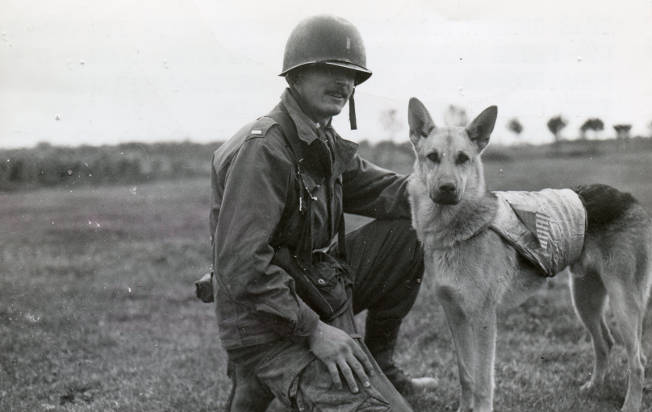
This relationship mirrors the ancient bond between early humans and wolves, where mutual benefit and respect laid the foundation for the domestication of dogs.

The Ethical Dimension
This approach to adoption challenges traditional notions of pet ownership and emphasizes coexistence. Caring for stray dogs while respecting their independence ensures their well-being without imposing unnecessary confinement. It also highlights a broader sense of responsibility for animals as part of our shared ecosystems.
Supporting street dogs in their environment also creates awareness about urban animal welfare, encouraging communities to work together to reduce cruelty, neglect, and overpopulation.
Real Stories: The Impact of Street Care
- The Guardian Pack
In many parts of the world, stories emerge of stray dog packs protecting neighborhoods. Residents who care for these dogs often report that the animals repay the kindness by warding off potential intruders or alerting them to unusual activity. - The Lone Protector
In India, a stray dog named Raja became a local hero for saving a child from a cobra. Raja lived near a small community that regularly fed him, vaccinated him, and ensured his health. This act of loyalty showcased the deep connection these dogs form with their human benefactors. - A Community Effort
In São Paulo, Brazil, residents of one neighborhood banded together to care for a pack of strays, pooling resources for food, medical care, and shelter. Over time, the dogs became symbols of unity for the community, with each family taking turns to look after their welfare.
How Communities Can Help
- Organized Feeding Programs
Coordinating with neighbors or local organizations can make feeding stray dogs consistent and sustainable. - Educational Initiatives
Raising awareness about the benefits of stray dog care helps shift perceptions, showing that these animals are not pests but valuable members of the community. - Collaboration with NGOs
Partnering with animal welfare groups ensures access to resources like vaccines, sterilization programs, and emergency medical aid.
Conclusion: Adoption Redefined
Caring for stray dogs in their natural environment is a powerful and compassionate form of adoption. It challenges conventional ideas of pet ownership by fostering a relationship rooted in mutual trust and respect. These dogs, free to roam and live their lives, often choose to remain close to their human caregivers, proving that love and loyalty are not contingent on confinement.
By adopting this approach, we not only improve the lives of stray dogs but also enrich our communities and reaffirm the age-old bond between humans and dogs.










0 Comments