


Introduction
Training is one of the most rewarding aspects of dog ownership. It helps establish a strong bond between you and your dog, promotes good behavior, and ensures their safety and well-being. Whether you’re a first-time dog owner or looking to reinforce your dog’s skills, understanding the fundamentals of basic training is essential.
Why Is Basic Training Important?
Training goes beyond teaching tricks; it’s about creating a harmonious relationship with your dog. Key benefits include:
- Improved Communication: Helps your dog understand what you expect from them.
- Behavior Management: Reduces undesirable behaviors like jumping, barking, or chewing.
- Safety: Commands like “come” or “stay” can prevent accidents.
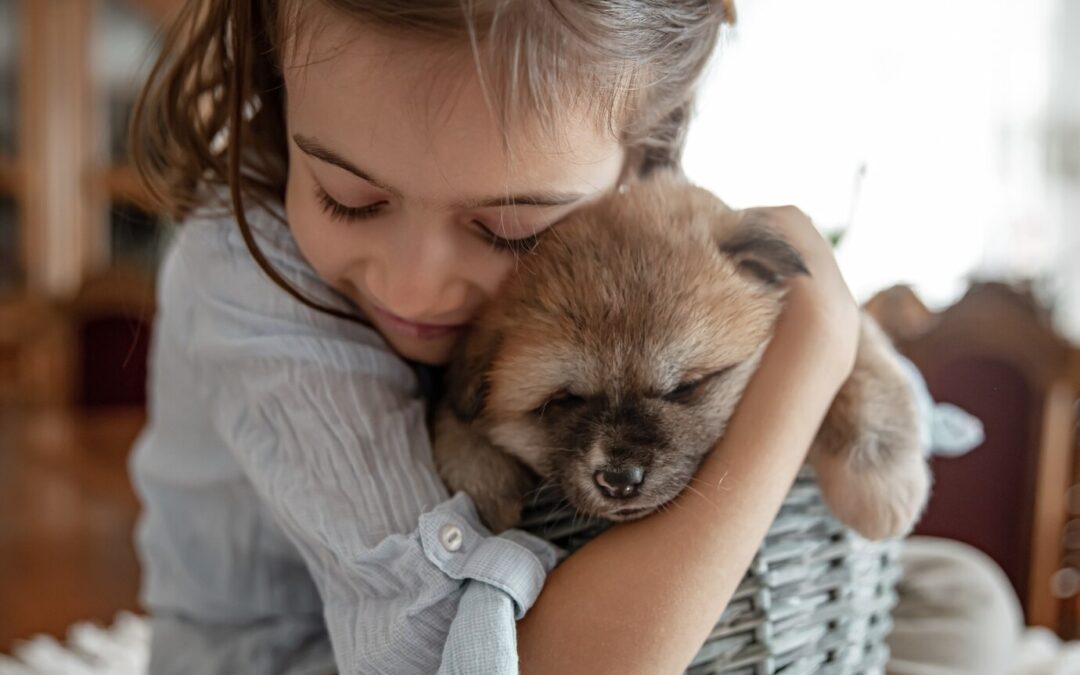
- Bonding: Strengthens the trust and connection between you and your dog.
-
Getting Started with Basic Training
1. Use Positive Reinforcement
Positive reinforcement is the most effective training method:
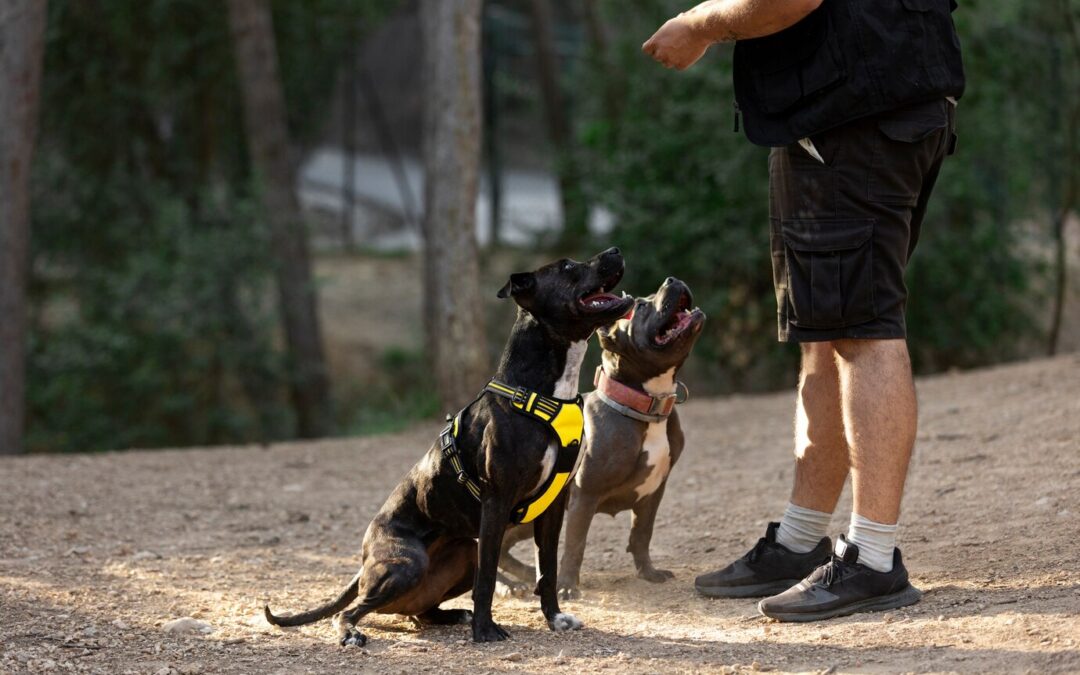
- Reward Good Behavior: Use treats, praise, or toys to encourage desired actions.
- Be Consistent: Always reward immediately after the behavior to reinforce the connection.
2. Keep Sessions Short and Fun
- Dogs have short attention spans, so limit training sessions to 5–15 minutes.
- End on a positive note to keep your dog motivated for future sessions.
3. Start with Simple Commands
Begin with foundational commands that are essential for daily life:
Basic Commands to Teach Your Dog
1. Sit
A fundamental command that’s easy to teach and useful in various situations.
How to Teach:
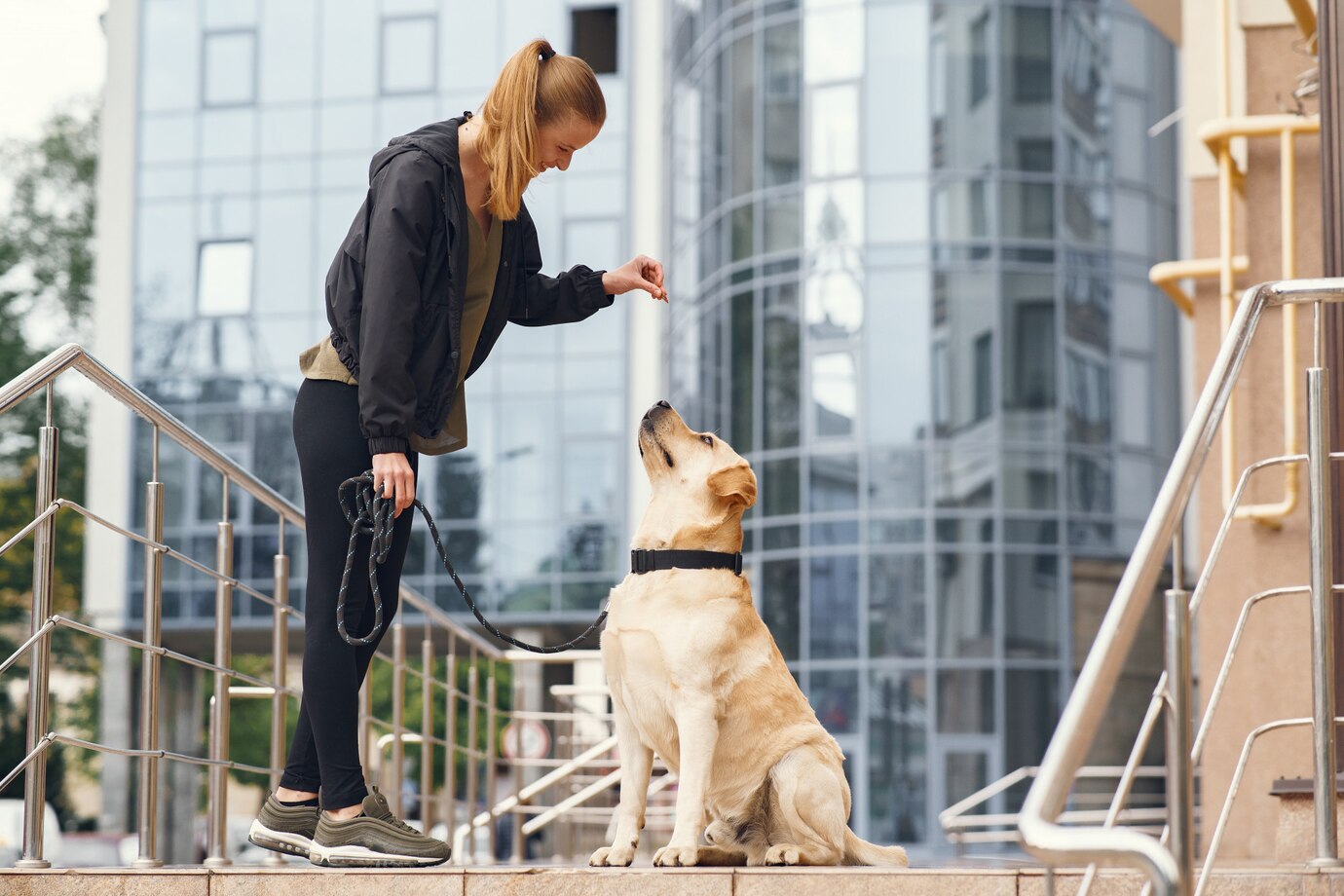
- Hold a treat close to your dog’s nose.
- Move your hand upward, encouraging their head to follow the treat.
- As their bottom touches the ground, say “sit” and give the treat.
2. Stay
Helps your dog remain in place, improving control and patience.
How to Teach:
- Ask your dog to “sit.”
- Hold your palm out and say “stay.”
- Take a step back. If they stay, reward them. Gradually increase the distance.
3. Come
Vital for safety, especially in off-leash situations.
How to Teach:
- Attach a leash and call your dog’s name followed by “come.”
- Gently guide them toward you with the leash.
- Reward them when they reach you.
4. Down
Encourages calmness and is a great way to manage high-energy dogs.
How to Teach:
- Hold a treat in your hand and move it to the ground.
- When your dog follows the treat and lies down, say “down” and reward them.
5. Leave It
Teaches your dog to ignore distractions or potentially harmful items.
How to Teach:
- Show your dog a treat in your hand.
- Say “leave it” and close your hand when they try to take it.
- Reward them when they stop and look at you.
Common Training Tips
- Be Patient: Every dog learns at their own pace.
- Use Clear Commands: Stick to simple, consistent words for each action.
- Avoid Punishment: Focus on redirecting unwanted behavior rather than scolding.
- Practice in Different Settings: Train at home, in the park, and around distractions to generalize behaviors.
- Stay Calm: Dogs respond better to a confident and relaxed trainer.
Tools for Training
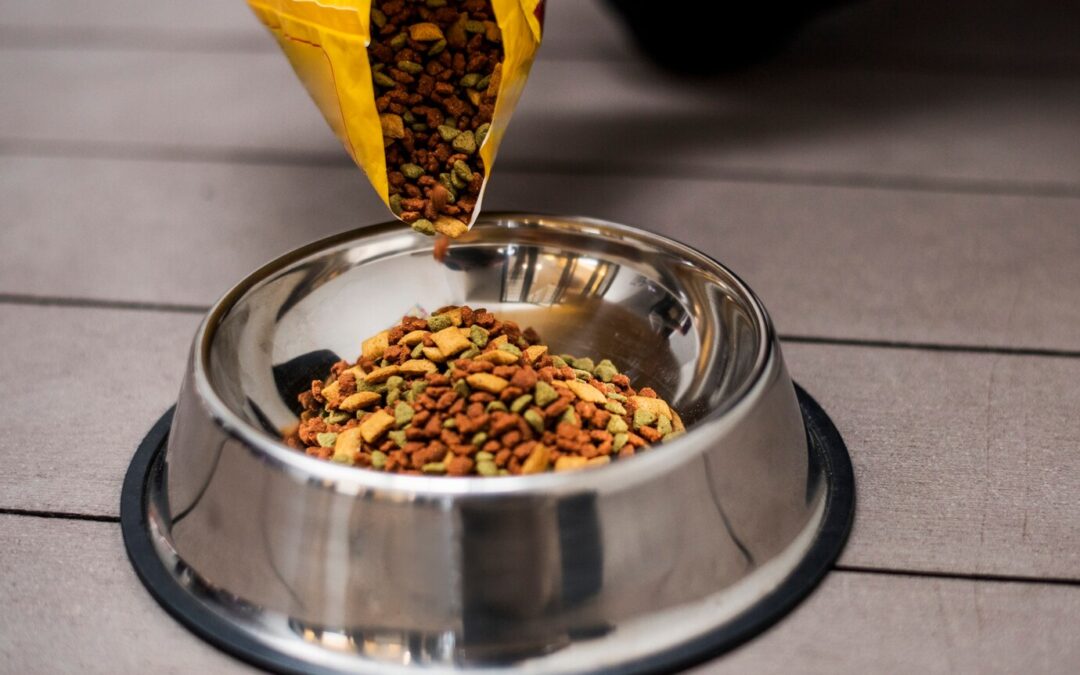
- Treats: Small, tasty rewards keep your dog motivated.
- Clicker: A clicker can mark desired behaviors with precision.
- Leash: Helps maintain control during outdoor training.
- Crate: Useful for house training and providing a safe space.

-
Common Challenges and How to Overcome Them
1. Distractions
Solution: Start training in a quiet space and gradually introduce distractions.
2. Stubborn Behavior
Solution: Use higher-value treats or toys as motivation.
3. Inconsistent Progress
Solution: Maintain regular sessions and involve all family members to reinforce commands.
When to Seek Professional Help
If your dog struggles with aggression, extreme fear, or persistent disobedience, consider consulting a professional trainer or behaviorist. They can tailor techniques to your dog’s needs.
Basic training is the foundation for a well-behaved and happy dog. With consistency, patience, and positive reinforcement, you can teach your dog essential skills that improve their quality of life and deepen your bond. Remember, training is a lifelong journey, so keep practicing and enjoy the process of learning together.












0 Comments