


Introduction
Service dogs are highly trained animals that assist individuals with disabilities, helping them navigate daily challenges and lead more independent lives. From guiding visually impaired people to alerting those with hearing loss or medical conditions, service dogs play a vital role in enhancing their handlers’ quality of life. With their intelligence, dedication, and unmatched bond with humans, service dogs are more than pets—they are life-changing companions.
What Are Service Dogs?
Service dogs are specially trained to perform specific tasks that directly mitigate a person’s disability. Unlike emotional support animals or therapy dogs, service dogs have legal protections under disability rights laws, such as the Americans with Disabilities Act (ADA) in the United States. These protections allow them to accompany their handlers in public spaces where pets are not typically permitted.
Types of Service Dogs and Their Roles
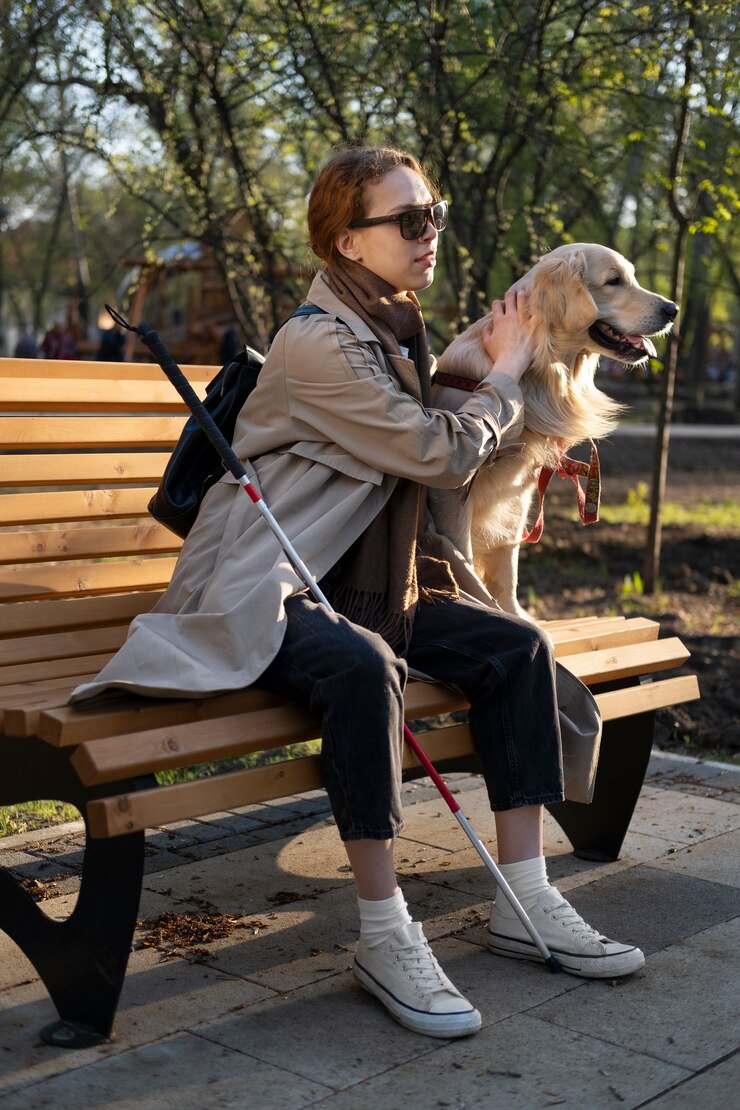
- Guide Dogs
Guide dogs assist individuals who are blind or visually impaired, helping them navigate obstacles, cross streets, and travel safely in various environments. They are trained to lead their handlers with confidence and ensure their safety. - Hearing Dogs
Hearing dogs help people who are deaf or hard of hearing by alerting them to important sounds such as doorbells, alarms, or a baby crying. They use physical cues like nudging or pawing to draw their handler’s attention.
-
Mobility Assistance Dogs
These dogs assist individuals with physical disabilities by performing tasks such as retrieving objects, opening doors, pulling wheelchairs, or providing balance support for those with mobility challenges. -
Medical Alert Dogs
Medical alert dogs are trained to detect and respond to specific medical conditions. For example:- Diabetic Alert Dogs can sense changes in blood sugar levels.
- Seizure Alert Dogs may warn of an oncoming seizure and provide support during and after the event.
- Allergy Alert Dogs detect allergens in food or the environment.

-
Psychiatric Service Dogs
These dogs help individuals with mental health disorders, such as PTSD, anxiety, or depression. They perform tasks like interrupting panic attacks, providing grounding during episodes, and reminding their handlers to take medication. -
Autism Service Dogs
Autism service dogs assist individuals, often children, with autism spectrum disorder (ASD). They help with sensory regulation, provide a calming presence, and improve social interactions.
Popular Breeds for Service Work
While any breed can potentially become a service dog, some breeds are particularly suited for this role due to their temperament, size, and trainability. Common service dog breeds include:
- Labrador Retrievers: Friendly, intelligent, and eager to please, Labs excel in many service roles.
- Golden Retrievers: Known for their gentle and patient nature, Goldens are often used as guide or therapy dogs.
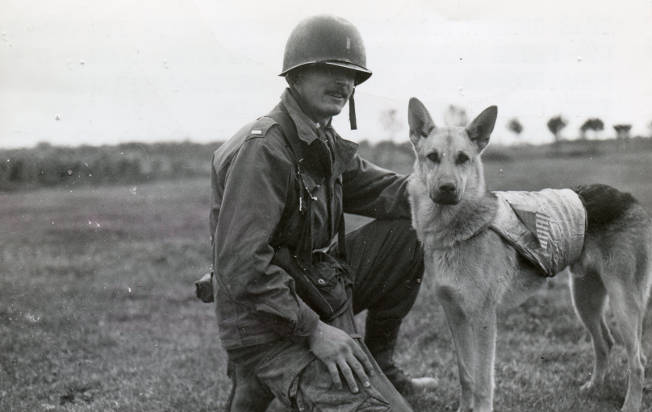
- German Shepherds: Loyal and focused, they are frequently trained as guide or mobility assistance dogs.
- Poodles: Hypoallergenic and highly intelligent, Poodles are ideal for handlers with allergies or those needing a smaller service dog.
Training and Certification of Service Dogs
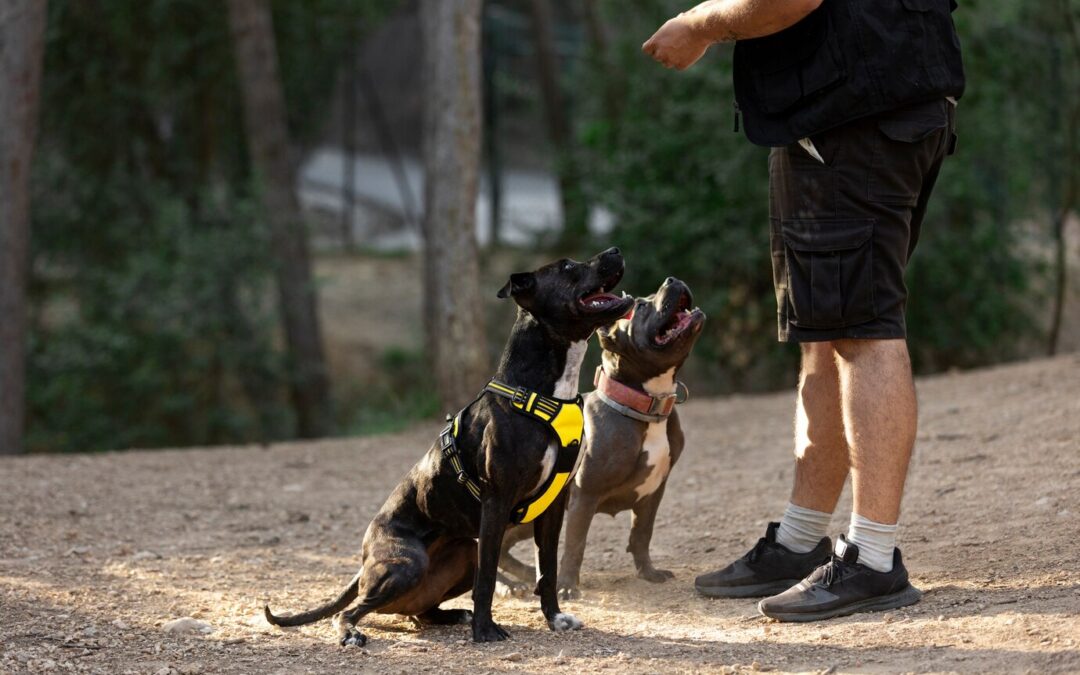
Service dog training is intensive and takes months or even years to complete. Training focuses on:
- Obedience and public behavior: Ensuring the dog remains calm and focused in all environments.
- Task-specific skills: Teaching the dog tasks that directly mitigate the handler’s disability.
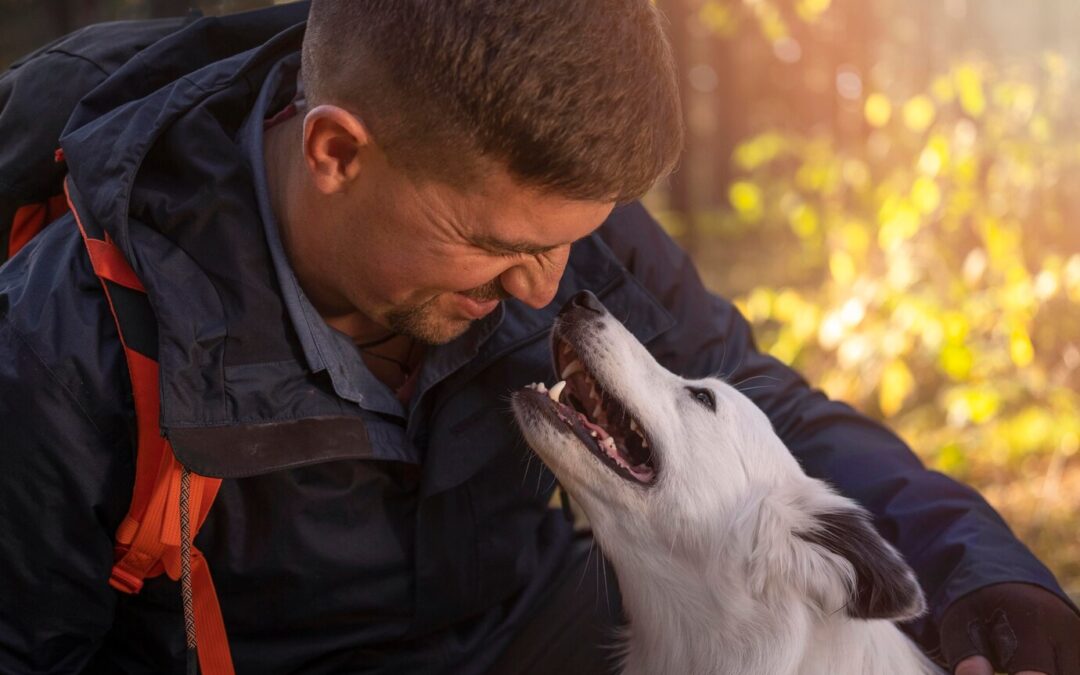
- Bonding with the handler: Building trust and effective communication between the dog and handler.
Professional organizations and trainers often oversee the process, though individuals can train their own service dogs in some cases. Certification requirements vary by region, but the dog must consistently perform its tasks and behave appropriately in public.
Legal Protections and Access Rights
Service dogs are granted legal rights to accompany their handlers in public spaces, including restaurants, schools, and public transportation. These rights ensure that individuals with disabilities can fully participate in society. Handlers are not required to disclose their medical conditions or provide documentation to prove their dog is a service animal.
The Impact of Service Dogs
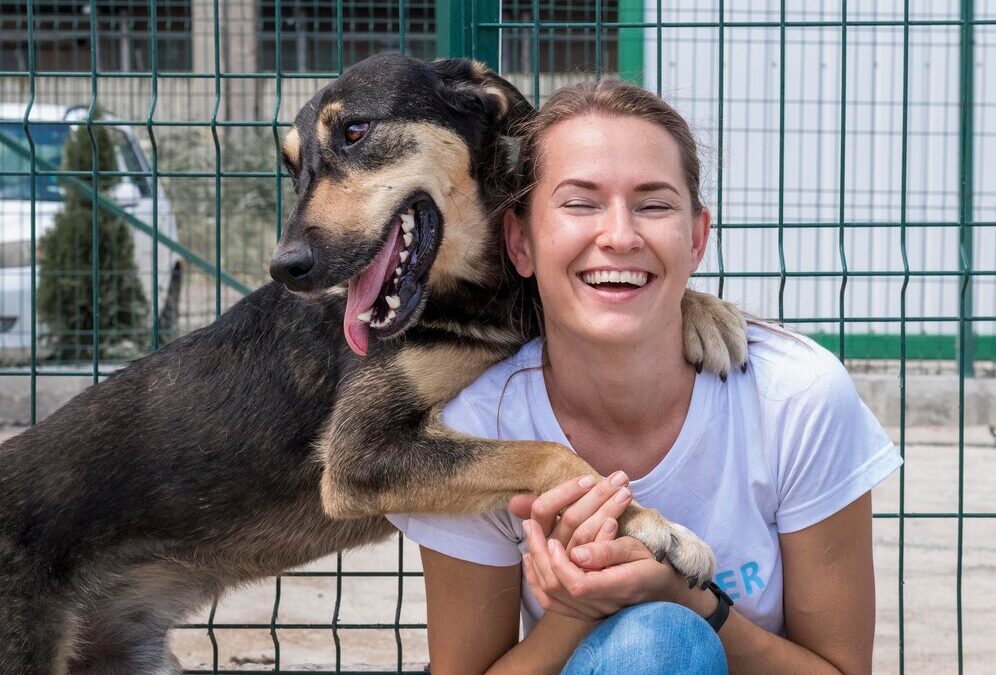
Service dogs profoundly impact their handlers’ lives by providing independence, safety, and emotional support. Their presence can reduce isolation, boost confidence, and help individuals overcome physical and emotional challenges. For many, a service dog is not just a helper but a trusted companion and a lifeline.
Conclusion
Service dogs are extraordinary animals whose specialized training and natural empathy make them invaluable to people with disabilities. By performing tasks tailored to their handlers’ needs, these dogs empower individuals to live more independently and confidently. Their loyalty, intelligence, and dedication highlight the incredible bond between humans and dogs, proving time and again that service dogs are true heroes in our lives.














0 Comments